刷机

Search documents
给 10 多年前的旧手机充上电,我见证了「刷机」时代的落幕……
3 6 Ke· 2026-02-23 07:36
Core Viewpoint - The article reflects on the evolution of Xiaomi's MIUI and its impact on the smartphone community, highlighting the transition from a vibrant modding culture to a more restrictive environment for device customization and unlocking [1][54]. Group 1: Xiaomi's Historical Impact - Xiaomi gained recognition in the modding community through MIUI, which was considered one of the best Android systems at the time, offering features that were ahead of its competitors [9][17]. - The launch of the Xiaomi 1S marked a significant expansion in the mid-range market, selling over 3 million units and showcasing Xiaomi's ambition to make smartphones accessible to a wider audience [4][18]. - The design language of MIUI evolved significantly, with MIUI V5 introducing a unique blend of skeuomorphic and flat design elements, which was innovative compared to the prevailing Holo Design of the time [12][14]. Group 2: Technological Advancements - The Xiaomi 1S featured a dual-system partition that prevented bricking and allowed for separate OTA updates, a functionality that was not available in Google's official offerings until years later [17]. - The introduction of the Redmi Note in 2014 coincided with the rollout of 4G in China, marking a pivotal moment in the smartphone market as it catered to the demand for larger screens and better performance [18][20]. - The Redmi Note utilized the Snapdragon 400 processor, which was a significant upgrade at the time, and its specifications allowed it to compete effectively in the mid-range segment [20][23]. Group 3: Community and Market Changes - The modding community, once vibrant and innovative, has seen a decline due to increased restrictions from manufacturers, leading to a fragmented user base and a shift in focus towards mainstream usage rather than customization [50][54]. - The article notes that the commercialization of modding efforts has largely failed, with the community shrinking as manufacturers tighten control over device unlocking and customization [54][56]. - The nostalgia for the early days of Android and the modding culture is contrasted with the current state of the industry, where customization options are limited and the focus has shifted to standardized user experiences [56].


2025年,别再自己折腾刷机了
Hu Xiu· 2025-07-30 11:03
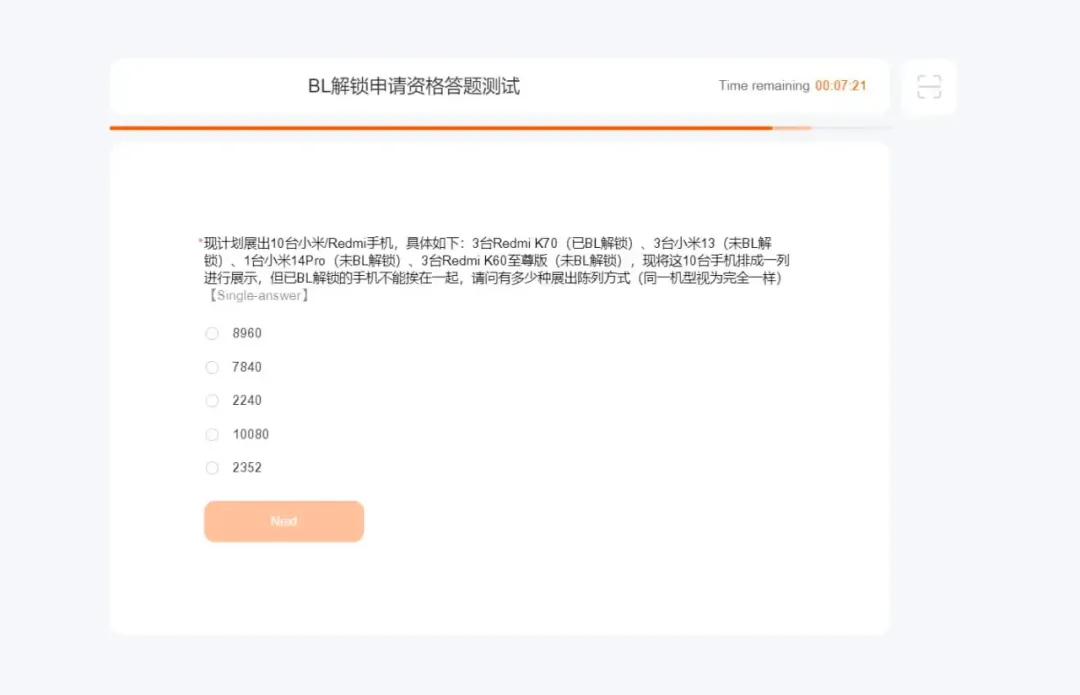
Core Viewpoint - The article discusses the increasing difficulty and risks associated with unlocking the bootloader (BL) of Xiaomi smartphones, leading some users to resort to extreme measures to bypass these restrictions [3][6][30]. Group 1: Xiaomi's Bootloader Unlocking Policy - Xiaomi has implemented stringent measures for unlocking the bootloader, including a complex application process that resembles an exam [4][5]. - Users must answer numerous questions related to Android basics, mathematics, programming, and logic within a limited time frame [4][6]. - The difficulty and lack of clear rules in the unlocking process indicate Xiaomi's stance that unlocking the BL carries significant risks and is not suitable for the average user [6][30]. Group 2: User Reactions and Consequences - Some users have attempted to steal unlocked devices during the unlocking process, although the success rate is not guaranteed due to quick countermeasures by service engineers [7][8]. - Reports suggest that some service centers have installed barriers to prevent users from accessing unlocked devices [7][8]. - The article highlights a broader trend among smartphone manufacturers, including Samsung, tightening controls over bootloader unlocking [9][10]. Group 3: Historical Context and Evolution of Bootloader Unlocking - The concept of bootloader unlocking has evolved from a means of enhancing device functionality to a niche hobby, with risks now outweighing benefits for most users [26][30]. - Historically, Android's open nature allowed for extensive customization, but as the ecosystem matured, the need for such modifications diminished [26][30]. - The article emphasizes that the risks associated with unlocking the bootloader today include potential data loss and security vulnerabilities, especially given the increasing reliance on smartphones for personal information [30][32][46]. Group 4: Security Implications - Unlocking the bootloader compromises the security measures protecting personal data, making it easier for malicious actors to access sensitive information [33][34]. - The article warns that lost or stolen devices with unlocked bootloaders can lead to significant data breaches, as unauthorized users can bypass security features [34][36]. - Manufacturers are increasingly implementing restrictions to mitigate these risks, reflecting a shift towards prioritizing user security over customization freedom [40][42]. Group 5: Recommendations and Best Practices - The article suggests that manufacturers like Sony have implemented more secure unlocking processes that could serve as a model for others [47][48]. - It advocates for a balanced approach that allows for user customization while ensuring adequate security measures are in place to protect sensitive information [46][48].