拟社会关系

Search documents
这些年轻人为何热衷“独处式社交”
Xin Lang Cai Jing· 2026-01-24 05:11
Core Perspective - The article discusses the rise of "parasocial" relationships, where individuals form one-sided emotional connections with celebrities, influencers, and AI chatbots, reflecting a growing trend among young people seeking comfort and validation in virtual interactions [3][4][5]. Group 1: Nature of Parasocial Relationships - "Parasocial" relationships are characterized by a one-way emotional connection, often seen between fans and celebrities, and have expanded beyond traditional fan circles into broader social contexts [4][5]. - The development of these relationships is facilitated by advancements in technology and media, allowing users to find content creators that resonate with their interests [5]. - Emotional voids in real-life relationships drive individuals to seek connections with AI, which can fulfill roles similar to family members or friends, providing a sense of understanding and support [5][6]. Group 2: Psychological Aspects - The safety and predictability of AI interactions appeal to young people, as these relationships are centered around the individual's needs without the risks associated with human emotions [6][7]. - The process of interacting with AI can lead to self-discovery and personal growth, as individuals project their desires and expectations onto these virtual entities [7][9]. - The article highlights that these relationships can serve as a rehearsal space for social skills, helping individuals navigate real-life interactions more effectively [10][11]. Group 3: Implications for Reality - The article raises questions about the long-term implications of relying on virtual relationships, suggesting that while they can provide temporary satisfaction, they may also lead to deeper feelings of dissatisfaction if not balanced with real-life connections [10][11]. - The exploration of these relationships can help individuals confront their emotional needs and improve their understanding of interpersonal dynamics, potentially leading to healthier real-world interactions [11][12]. - The phenomenon of "single-direction" socializing reflects a broader societal trend where individuals seek fulfillment in virtual spaces due to unmet needs in their real lives [10][11].


2025年度热词来了:AI相关词汇正高频进入我们生活
3 6 Ke· 2025-11-21 00:47
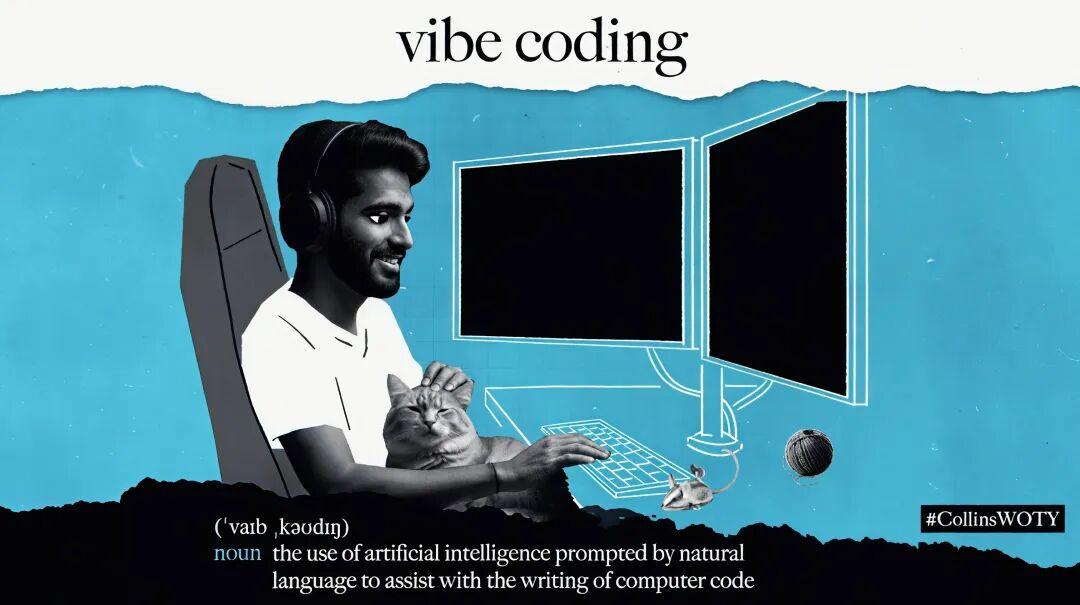
Core Insights - The article discusses the emerging trends in language as reflected by the annual word selections from various dictionaries, highlighting the influence of AI on society and technology [1][5][17]. Group 1: AI-Related Terms - The 2025 word of the year by Collins English Dictionary is "vibe coding," which refers to using AI to convert natural language into computer code, making programming more accessible [2][4]. - "Agentic," a term that describes AI capable of autonomous decision-making, has gained prominence as AI technology evolves [7]. - Other AI-related terms like "clanker," "slop," and "hallucinate" reflect societal attitudes towards AI, with "clanker" being a derogatory term for robots, and "slop" describing low-quality AI-generated content [10][11][14]. Group 2: Societal Trends Reflected in Vocabulary - Dictionary.com selected "67" as its 2025 word of the year, symbolizing a cultural trend among younger generations to express ambivalence or indifference [17][21]. - Terms like "biohacking," "micro-retirements," and "coolcation" illustrate shifts in lifestyle and work habits, emphasizing health optimization, work-life balance, and changing vacation preferences due to climate considerations [22]. - The selection of these words indicates a broader reflection on how technology reshapes human experiences and relationships, urging a quest for authenticity and meaningful connections in a fast-paced world [22].