支链淀粉

Search documents
春节这种美食,稍不留神就成了“舌尖上的杀手”!紧急提醒
Xin Lang Cai Jing· 2026-02-20 11:26
Core Viewpoint - The article discusses the cultural significance and potential health risks associated with consuming glutinous rice, particularly during festive occasions like the Spring Festival. It highlights the unique properties of glutinous rice and provides insights into its digestion and consumption. Group 1: Characteristics of Glutinous Rice - Glutinous rice is sticky due to its high content of amylopectin, a type of starch, which constitutes over 80% of its starch composition [3] - The difference in stickiness between glutinous rice and regular rice is attributed to the types of starch they contain: glutinous rice has a higher proportion of branched starch, making it softer and stickier [2][3] Group 2: Digestion and Consumption - There is a common misconception that glutinous rice is hard to digest; however, studies show that freshly cooked glutinous rice is digested quickly, while cooled rice becomes more difficult to digest due to increased stickiness [4] - The delayed feeling of fullness after consuming glutinous rice can lead to overeating, as the satiety peak occurs about 30 minutes after consumption [5] Group 3: Consumption Guidelines - It is advised to consume glutinous rice in moderation and to be mindful of its caloric content, especially when it contains additional ingredients like meat or sweet fillings [6][7] - Individuals should consider reducing their intake of other staple foods when consuming glutinous rice to avoid health issues such as obesity and high blood sugar [8] - Special attention should be given to vulnerable populations, including the elderly, children, and those with digestive issues, who should limit their intake of glutinous rice [10]
“控糖族”注意 这些“伪粗粮”升糖比大米更快
Yang Shi Xin Wen· 2025-05-14 01:14
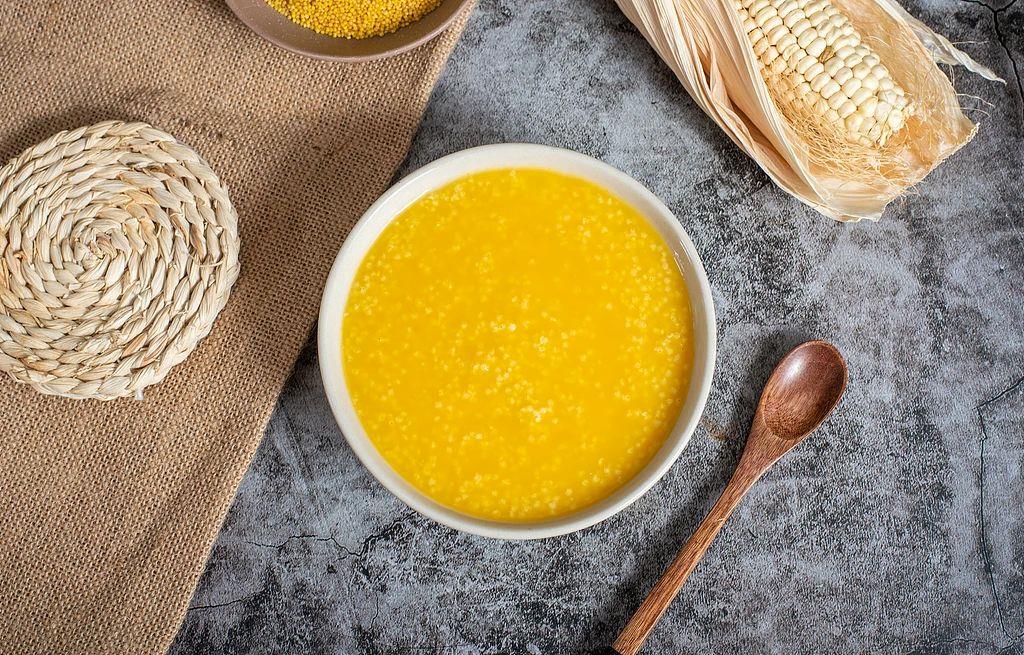
Core Insights - The article emphasizes that not all whole grains are effective in controlling blood sugar levels, with some "pseudo whole grains" having a faster glycemic response than refined grains like white rice and flour [2][6]. Group 1: Types of Grains - Certain sticky grains, such as glutinous millet and black glutinous rice, have a higher glycemic index and can raise blood sugar levels quickly [3][6]. - Whole grains like oats and red beans contain more resistant starch, which has a lower impact on blood sugar due to their tightly packed structure [5]. Group 2: Consumption Methods - The method of consuming whole grains can significantly affect their glycemic index; grinding grains into powder and mixing them with water can increase their glycemic response [9][11]. - For individuals needing to control blood sugar, it is advisable to choose whole grains that maintain a low glycemic index even after processing, such as green beans and lentils [11]. Group 3: Dietary Recommendations - It is recommended to combine whole grains with protein and fiber-rich foods, such as milk and vegetables, to mitigate blood sugar spikes [8][13]. - A balanced intake of whole and refined grains is suggested, ideally maintaining a ratio of 1:1 or 2:1, depending on individual digestive health [14].