政治空白

Search documents
高市早苗选择“政治豪赌”,在野政党痛批“没有大义”,日本迎来“最匆忙”大选
Huan Qiu Shi Bao· 2026-01-23 22:44
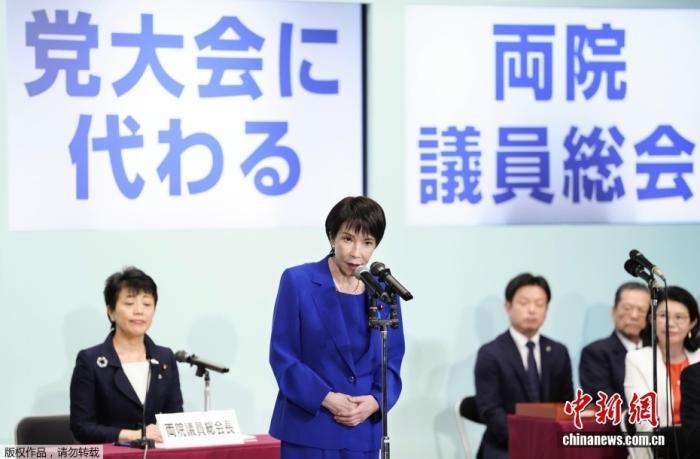
Core Viewpoint - The Japanese Prime Minister Fumio Kishida's decision to dissolve the House of Representatives on the opening day of the Diet session is seen as a high-risk political gamble aimed at capitalizing on the current high approval ratings to secure more seats in the upcoming election, which is scheduled for February 8, 2024, just 16 days after the dissolution [1][4][8]. Group 1: Political Context - This dissolution marks the first time in 60 years that the House of Representatives has been dissolved on the opening day of a Diet session, and it creates a record for the shortest interval between dissolution and election since World War II [1]. - The current House of Representatives has 465 seats, and the ruling coalition, after a recent shift in alliances, barely holds a majority with 233 seats [4][8]. - The opposition parties have criticized the dissolution as a self-serving political maneuver that prioritizes party interests over the public's needs [1][6]. Group 2: Election Implications - The upcoming election is expected to significantly impact Japan's future domestic and foreign policies, with the ruling party aiming to solidify its power amid rising public concerns over economic issues and international relations [1][8]. - The newly formed "Center Reform Coalition" by the major opposition parties aims to challenge the ruling coalition, focusing on issues like reducing the food consumption tax and addressing political corruption [9][10]. - Key campaign issues will include economic policies, foreign relations, and defense strategies, with the ruling coalition emphasizing stricter regulations on foreign land purchases and increased defense spending [9][10]. Group 3: Public Sentiment - Public opinion appears divided, with some citizens questioning the rationale behind the dissolution and expressing concerns over rising living costs and economic stability [7][8]. - Criticism from within the political sphere highlights fears that frequent elections may detract from addressing long-term issues such as population decline and economic challenges [5][6].

高市早苗拟解散众议院,在野党批评:嘴上都是工作,实际制造空白
Zhong Guo Xin Wen Wang· 2026-01-12 13:07
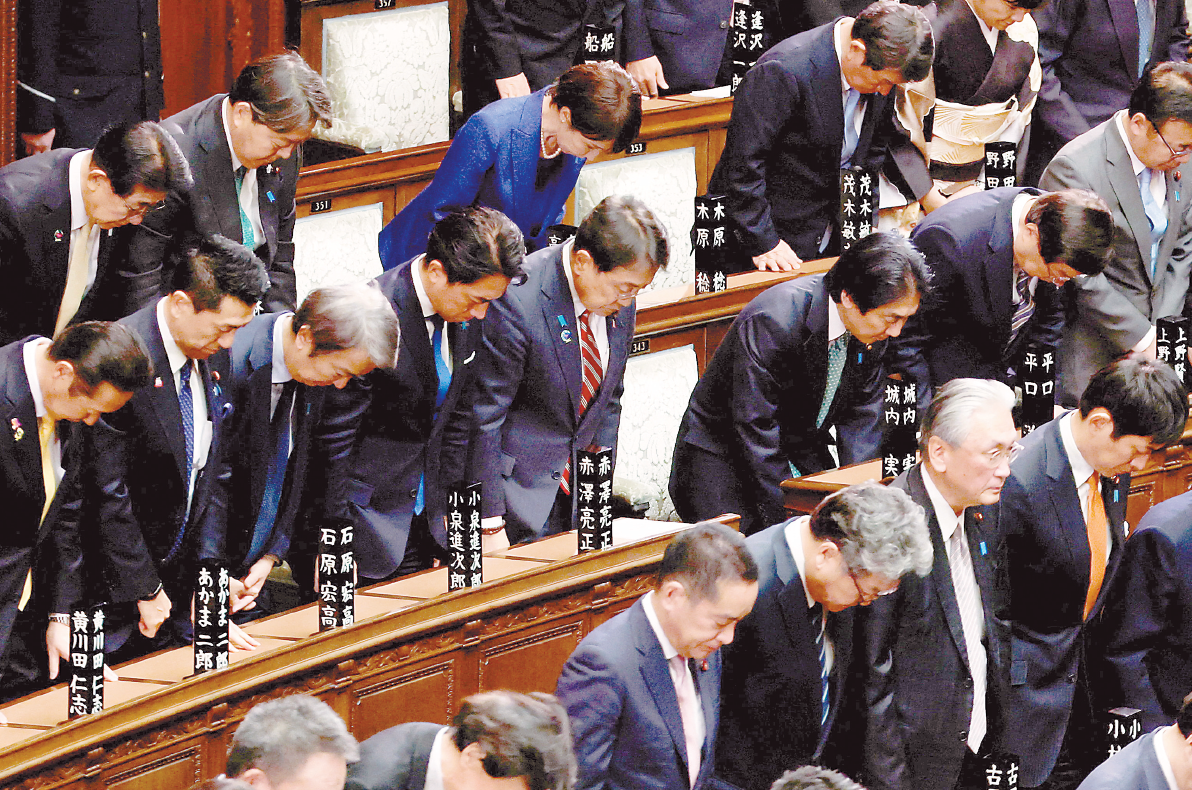
Core Viewpoint - Japanese Prime Minister Fumio Kishida is considering dissolving the House of Representatives at the beginning of the regular Diet session scheduled for January 23, aiming to gain voter trust and enhance policy execution, despite potential criticism of creating a "political vacuum" [1]. Group 1: Election Schedule and Budget Concerns - The main proposals for the House of Representatives election schedule include announcing on January 27 and voting on February 8, or announcing on February 3 and voting on February 15 [2]. - There are concerns within the government about prioritizing the passage of the 2026 fiscal budget by the end of March, with indications that it may be difficult to achieve this timeline [2]. - Delays in passing the budget and tax-related legislation could negatively impact citizens' lives, raising alarms among political leaders [2]. Group 2: Political Reactions and Strategies - Opposition leader Noda Yoshihiko expressed skepticism about the rationale behind the potential dissolution, suggesting it may stem from self-preservation rather than legitimate reasons, and criticized the government's inaction on economic issues [2]. - Komeito Party leader Saito Tetsuo emphasized that addressing rising prices should take precedence over political maneuvers [2]. - The Liberal Democratic Party's policy research council chairman Kobayashi Takayuki stated that the dissolution of the House of Representatives is a prerogative of the Prime Minister, and the party is prepared for an election at any time [3]. Group 3: Coalition Discussions - The Japan Innovation Party leader Yoshimura Hirofumi indicated that their party is ready for an election, while discussions between Noda and Saito have begun regarding potential cooperation for the upcoming election [4]. - Both leaders agreed to explore higher-level cooperation, with Noda highlighting the importance of collaboration to counterbalance the ruling party [4]. - Noda also noted that Komeito is seen as a politically friendly force that could help correct excessive right-wing tendencies, aiming to build a political force capable of challenging the LDP [4].