政治试探

Search documents
疯了?特朗普这操作太离谱!刚封死古巴能源,转头又送燃料装人道主义
Sou Hu Cai Jing· 2026-02-20 22:57
Core Viewpoint - The U.S. is tightening its energy grip on Cuba while simultaneously offering limited humanitarian aid, a strategy that has been employed for over sixty years, aiming to create internal divisions within Cuba's society [1][3][11]. Group 1: U.S. Strategy - The U.S. plans to gradually cut off Cuba's oil supply starting in early 2026, primarily targeting Venezuela's oil exports to Cuba [1][3]. - An executive order has been issued declaring a national emergency, threatening high tariffs on any third-party countries supplying oil to Cuba, effectively blocking potential energy import channels [1][3]. - The U.S. military is increasing its presence in the Caribbean, conducting surveillance and interception operations, indicating a strategy of prolonged pressure on Cuba [3][11]. Group 2: Humanitarian Aid - The humanitarian aid provided by the U.S. is minimal, aimed at creating an illusion of support rather than addressing the significant energy shortfall [1][3][10]. - Cuba has accepted the aid but is managing it carefully, directing resources to critical areas like hospitals and community kitchens while ensuring transparency in the distribution process [1][3][10]. - The aid is viewed as a temporary patch rather than a long-term solution, with Cuba seeking to diversify its support channels to mitigate risks [10][17]. Group 3: Internal Dynamics in Cuba - Cuba's internal strategy focuses on stabilizing public sentiment, ensuring basic supplies, and maintaining external support channels, which are crucial for resilience against U.S. pressure [5][7]. - The country is receiving support from Russia, China, and Mexico, forming an informal but effective network that helps prevent systemic collapse [7][14]. - The Cuban population is aware of the U.S. tactics and is cautious about accepting aid that could be used as a political tool against them [9][11][19]. Group 4: International Response - The international community, including the United Nations and various countries, has expressed concern over the U.S. dual strategy of sanctions and limited aid, questioning the moral basis of such actions [3][13][14]. - There is a growing recognition that humanitarian aid should be unconditional and not used as a political leverage, as this could further damage the U.S.'s credibility [8][13][16]. - The ongoing blockade and the superficial nature of the aid are leading to increased scrutiny and criticism of U.S. policies, both internationally and domestically [13][14][22].

美国突然把阿里、百度、比亚迪拉入黑名单,转眼就紧急撤回
程序员的那些事· 2026-02-14 14:09
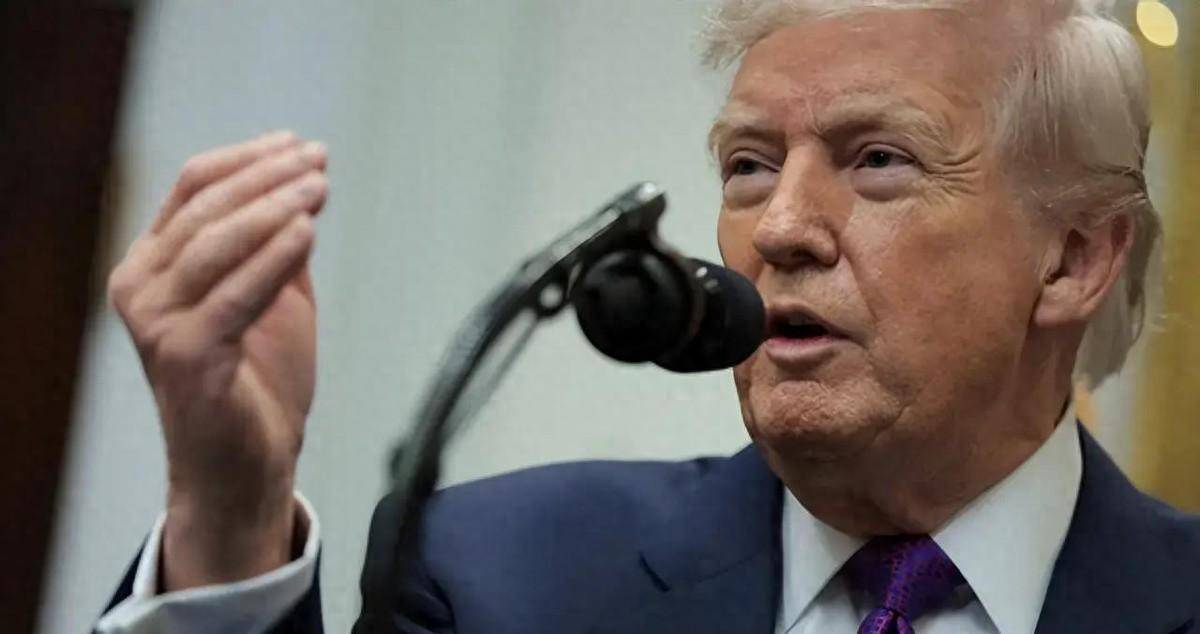
Group 1 - The U.S. Department of Defense unexpectedly released a new list of Chinese military companies, including Alibaba, BYD, Baidu, WuXi AppTec, and SUTENG, while removing Yangtze Memory Technologies from the list [1][3] - Shortly after its submission for public notice, the list was urgently retracted without any explanation, indicating a hasty and confused decision-making process [3] - This list, while not a direct sanction, would prevent the U.S. Department of Defense from collaborating with the listed companies, suggesting a politically motivated trial [3][4] Group 2 - The external perception is that this action was intended to create pressure ahead of Trump's visit to China in two months, but the execution was deemed too rushed, leading to a quick retraction [4]