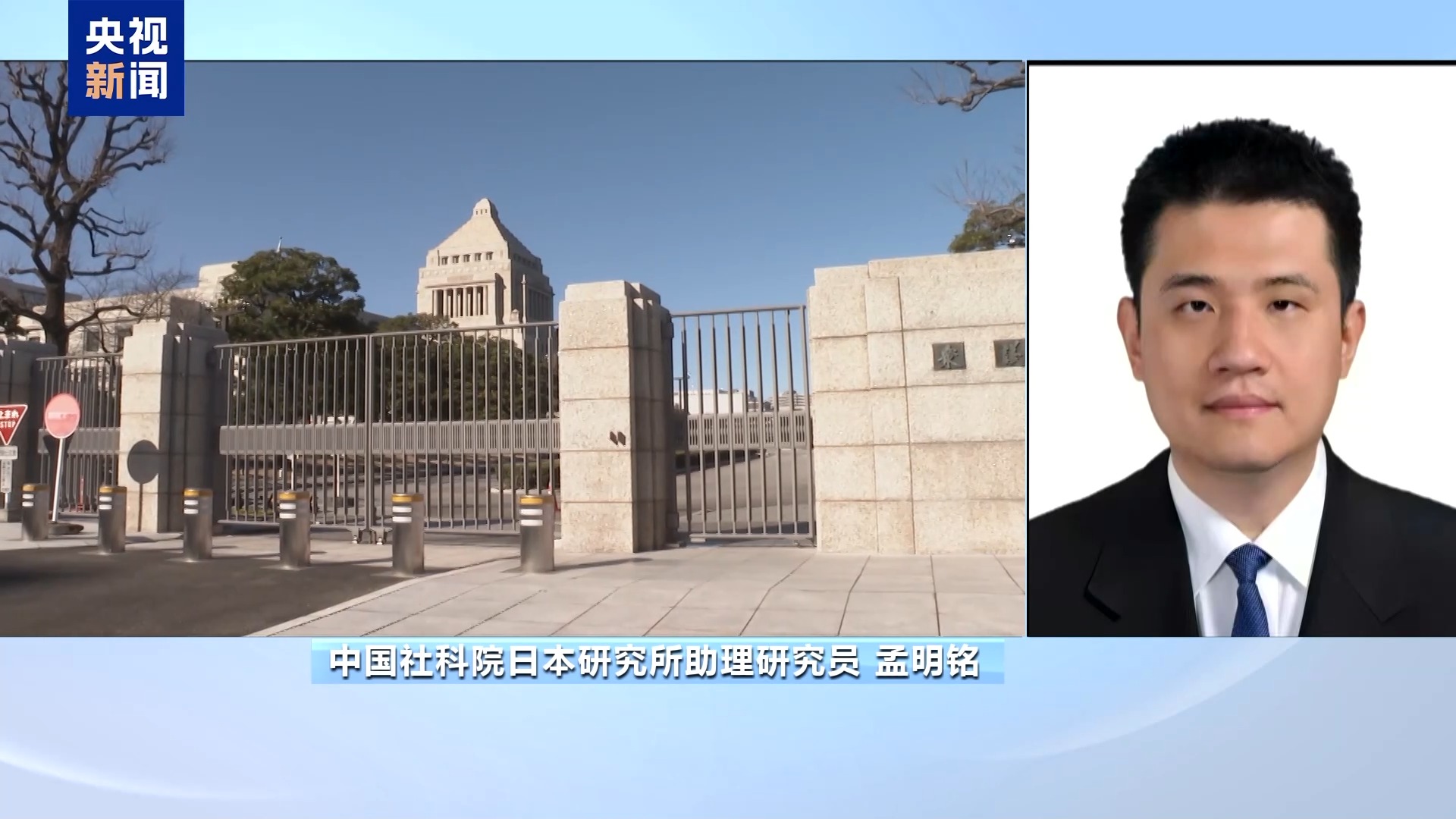
政治赌博

Search documents
视频丨高市解散众议院提前举行大选 专家:政治赌博
Yang Shi Xin Wen Ke Hu Duan· 2026-01-20 02:31
Group 1 - The core viewpoint of the article is that Japanese Prime Minister Sanna Takashi's decision to dissolve the House of Representatives is a political gamble aimed at consolidating power and avoiding risks [1][3][5] - Takashi's ruling Liberal Democratic Party (LDP) and its coalition partner, the Japan Innovation Party, currently hold just over half of the seats in the House of Representatives and are in the minority in the House of Councillors, prompting her to seek a stable majority through early elections [7] - The decision to dissolve the House is also seen as a strategy to preemptively address upcoming political and economic risks, including potential financial instability from a large supplementary budget and scrutiny from opposition parties regarding past controversies [7] Group 2 - Public opinion is largely against the dissolution, with a recent poll indicating that 50% of respondents oppose the decision, while only 36% support it [12] - Opposition parties have criticized Takashi for prioritizing party interests over national interests, labeling the dissolution as a self-serving move that creates political vacuums [10][12] - The dissolution and subsequent elections are expected to exacerbate political infighting and delay important legislative processes, potentially harming economic and social issues amid rising prices and declining incomes [13]

高市解散众议院提前举行大选 专家:政治赌博
Yang Shi Xin Wen Ke Hu Duan· 2026-01-20 02:24
Group 1 - The core viewpoint is that Prime Minister Sanna Takashi's decision to dissolve the House of Representatives is a political gamble aimed at consolidating power and avoiding risks [2][4][6] - Takashi's ruling Liberal Democratic Party (LDP) and its coalition partner, the Japan Innovation Party, hold just over half of the seats in the House of Representatives and are in the minority in the House of Councillors, making it difficult to pass more radical policy proposals [6] - The early election is seen as a strategy to secure a stable majority and mitigate upcoming political and economic risks, including potential depreciation of the yen and rising prices due to a large supplementary budget [6] Group 2 - Public opinion is largely against the dissolution, with a recent poll indicating that 50% of respondents oppose the decision, while only 36% support it [8] - Opposition parties have criticized Takashi for prioritizing party interests over national interests, labeling the dissolution as a self-serving move [9][11][12][14] - The election is expected to increase political infighting and exacerbate institutional crises, delaying important legislative processes and potentially polarizing Japanese politics further [16]