政治内耗

Search documents
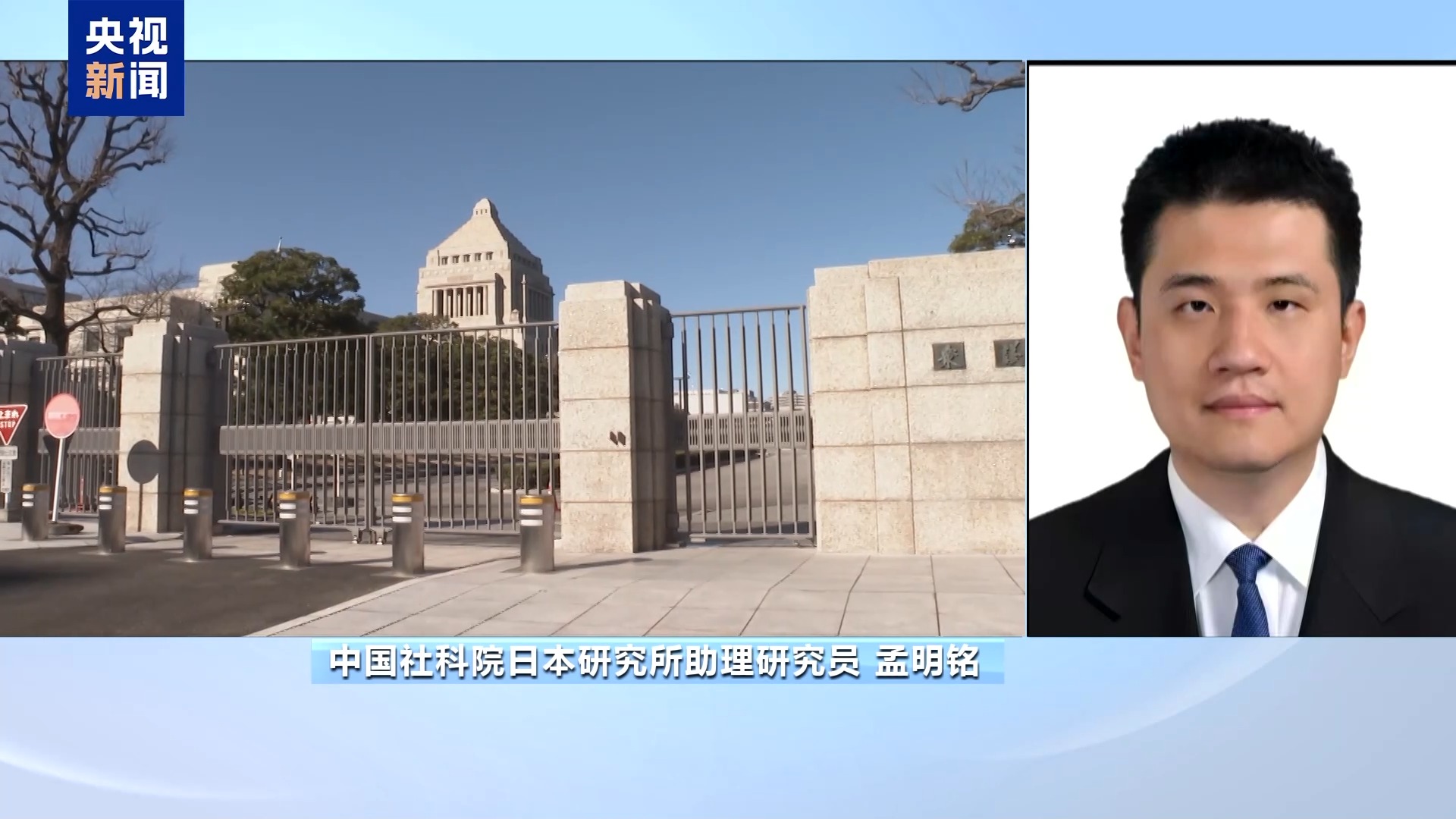
高市解散众议院提前举行大选 专家:政治赌博
Yang Shi Xin Wen Ke Hu Duan· 2026-01-20 02:24
Group 1 - The core viewpoint is that Prime Minister Sanna Takashi's decision to dissolve the House of Representatives is a political gamble aimed at consolidating power and avoiding risks [2][4][6] - Takashi's ruling Liberal Democratic Party (LDP) and its coalition partner, the Japan Innovation Party, hold just over half of the seats in the House of Representatives and are in the minority in the House of Councillors, making it difficult to pass more radical policy proposals [6] - The early election is seen as a strategy to secure a stable majority and mitigate upcoming political and economic risks, including potential depreciation of the yen and rising prices due to a large supplementary budget [6] Group 2 - Public opinion is largely against the dissolution, with a recent poll indicating that 50% of respondents oppose the decision, while only 36% support it [8] - Opposition parties have criticized Takashi for prioritizing party interests over national interests, labeling the dissolution as a self-serving move [9][11][12][14] - The election is expected to increase political infighting and exacerbate institutional crises, delaying important legislative processes and potentially polarizing Japanese politics further [16]

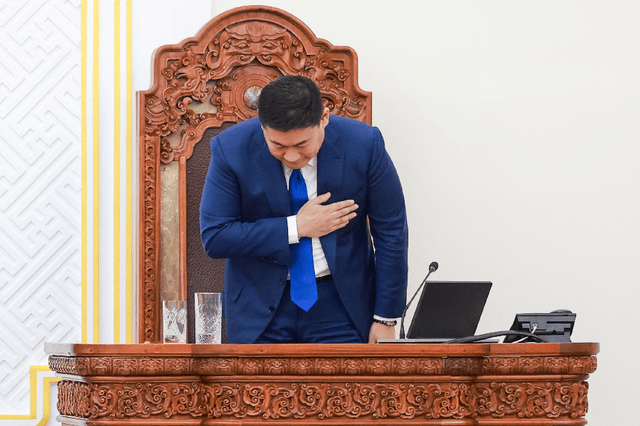
蒙古最高层内斗“昏天暗地”,到头来两败俱伤,邻国乱得不成样子
Sou Hu Cai Jing· 2025-10-23 05:39
Core Points - The political situation in Mongolia is currently chaotic, with Prime Minister L. Zandanshatar being voted out by parliament just four months after taking office, only to have the decision vetoed by President U. Khurelsukh on constitutional grounds [1][3] - The turmoil stems from internal power struggles within the ruling Mongolian People's Party, particularly between Zandanshatar and Speaker A. Amarbayasgalan, which escalated following a party election where Zandanshatar lost the chairmanship [1][4] - The conflict has highlighted deep-seated issues within Mongolian politics, including corruption and internal party discord, which have hindered effective governance and reform efforts [4][6] Political Dynamics - The recent events illustrate the increasing frequency of disputes within the expanded 126-seat parliament, reflecting the intensity of internal conflicts within the Mongolian People's Party [4] - The president's intervention to protect Zandanshatar is partly due to their prior working relationship, contrasting with the previous administration's conflicts with the president [1][3] - The potential for Zandanshatar's removal still exists if parliament can muster a two-thirds majority to override the president's veto, although attendance issues may complicate this process [3] Systemic Issues - Mongolia is facing a systemic crisis characterized by severe political infighting, which complicates the advancement of significant national agendas and undermines its geopolitical advantages as a neighbor to China and Russia [6] - The ongoing corruption issues, particularly in the coal industry, remain unresolved despite previous government commitments to address them, indicating a persistent challenge for future administrations [4][6]