政经分离

Search documents
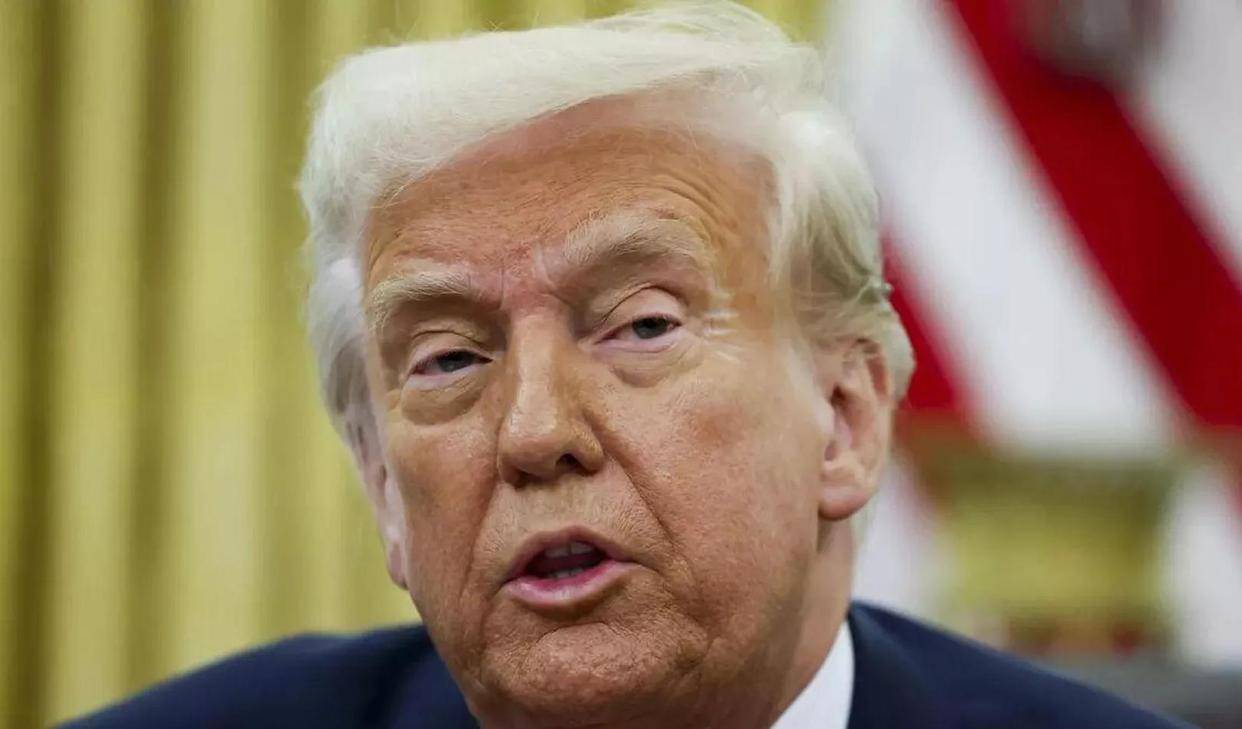
特朗普恐怕没想到,中国竟会果断停止采购;中俄两国防长紧急通话,释放出的信号非常明确且强烈
Sou Hu Cai Jing· 2026-01-29 20:48
Group 1 - The article discusses China's recent decision to halt imports of Venezuelan oil and U.S. soybeans, indicating a strategic response to U.S. actions in Venezuela [1][2][7] - China's suspension of Venezuelan oil purchases is framed as a calculated move to avoid endorsing U.S. control over Venezuelan resources and to mitigate risks associated with U.S. sanctions [1][4][7] - The decision to pivot to Brazilian soybeans, following the fulfillment of a previous purchasing agreement with the U.S., reflects a market-driven approach rather than a political one [8][10][27] Group 2 - The article highlights the decline in the attractiveness of Venezuelan oil due to reduced discounts and increased political risks, making it an unwise choice for Chinese companies [7][10] - China's procurement strategy emphasizes flexibility and cost-effectiveness, demonstrating a commitment to market principles over political pressures [10][18][21] - The ongoing military cooperation between China and Russia, marked by recent communications, signals a deepening strategic partnership aimed at enhancing national security and reducing reliance on external powers [12][14][17] Group 3 - The article asserts that China's actions are not merely reactive but part of a broader strategy to establish a self-sufficient security network across various sectors, including energy and agriculture [17][18][29] - The emphasis on "strategic autonomy" reflects a shift in China's approach, moving from passive compliance to proactive engagement in international trade [27][31][32] - The narrative concludes that China's recent decisions are grounded in rational economic calculations, reinforcing its position as a significant player in global trade dynamics [29][35][36]

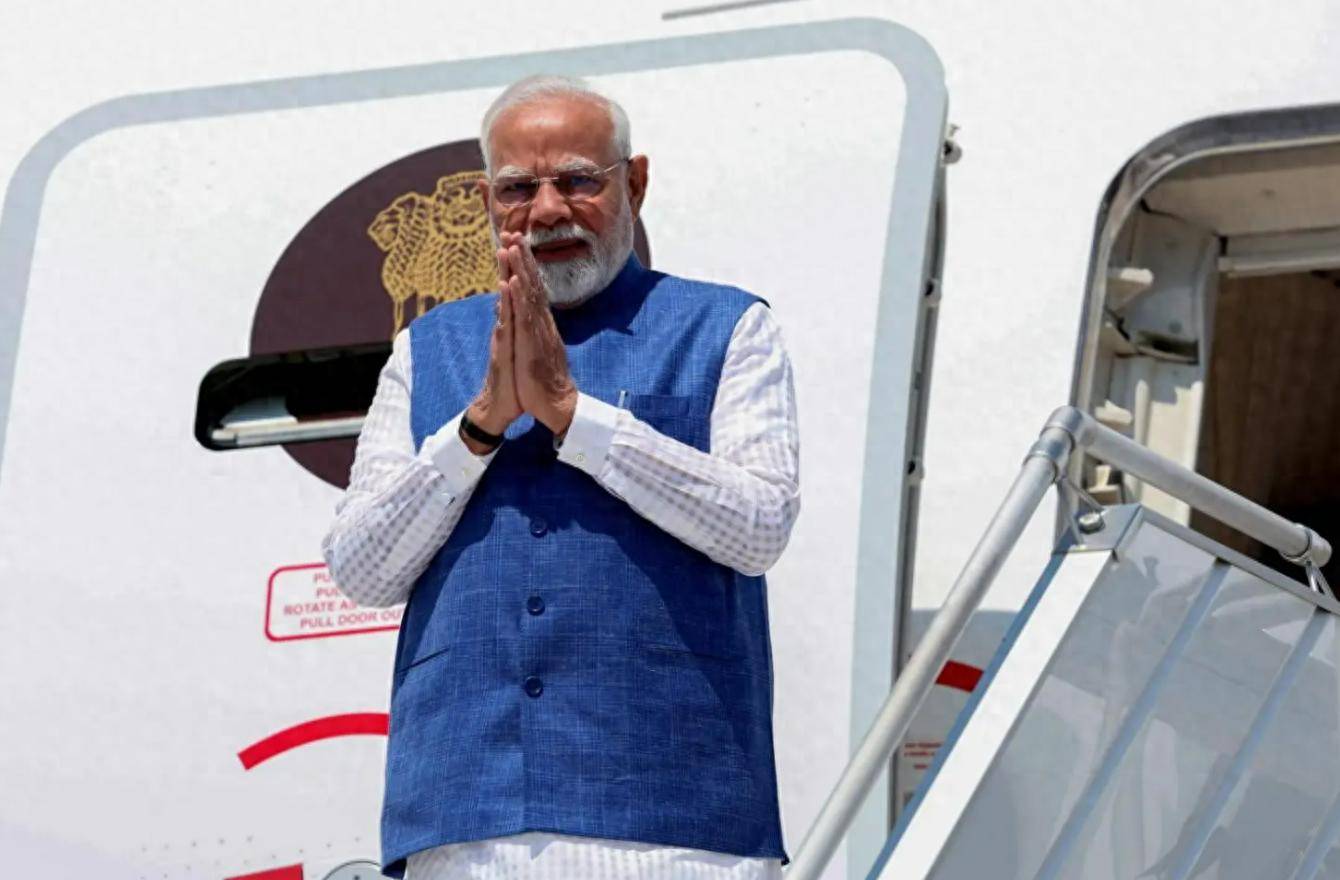
莫迪刚抵达中国,美国就传来一条坏消息:特朗普反悔,不去印度了
Sou Hu Cai Jing· 2025-09-04 13:46
Group 1 - The core issue revolves around India's response to the recent 50% tariffs imposed by the U.S. on Indian goods, which has led to significant economic repercussions for India, including order cancellations and factory shutdowns [3][5] - Modi's refusal to engage with Trump and his high-profile attendance at the Shanghai Cooperation Organization (SCO) summit indicate a strategic pivot towards China and Russia, seeking to mitigate the impact of U.S. tariffs [1][5] - The Indian government is attempting to balance its economic needs by seeking support from China while maintaining a cautious relationship with the U.S., indicating a strategy of "political-economic separation" [7][10] Group 2 - Modi's government is exploring avenues for cooperation with China, including requests to ease restrictions on exports of critical materials, while simultaneously planning to increase oil imports from Russia despite U.S. opposition [5][11] - The Indian administration is not completely abandoning its ties with the U.S., as evidenced by its decision to delay military purchases rather than cancel agreements outright, suggesting a desire to keep diplomatic channels open [7][10] - The geopolitical landscape is shifting, with the U.S. exerting pressure on India to choose sides, indicating that India's previous strategy of maintaining a dual approach may no longer be viable [10][11]