
委内瑞拉原油

Search documents
沥青日报:低开后震荡上行-20260305
Guan Tong Qi Huo· 2026-03-05 11:17
1. Report Industry Investment Rating - No relevant information provided 2. Core View of the Report - The asphalt market shows a situation of weak supply and demand. It is expected that the asphalt price will follow the rise of crude oil price in the near future, and attention should be paid to the progress of the Middle - East situation [1] 3. Summary According to Relevant Catalogs 3.1 Market Analysis - Supply side: Last week, the asphalt operating rate decreased by 0.3 percentage points to 21.4% week - on - week, 4.5 percentage points lower than the same period last year, at a relatively low level in recent years. In March 2026, the domestic asphalt is expected to have a production volume of 2.187 million tons, a month - on - month increase of 251,000 tons (13.0%) and a year - on - year decrease of 43,000 tons (1.9%) [1] - Demand side: After the Spring Festival holiday last week, downstream industries resumed work slowly, and the operating rates of most downstream asphalt industries increased. The operating rate of road asphalt increased by 4 percentage points to 4% week - on - week. The national shipment volume decreased by 0.99% to 130,400 tons week - on - week, at a relatively low level [1] - Inventory: During the Spring Festival holiday, the asphalt factory inventory increased significantly, but the asphalt refinery inventory rate is still at the lowest level in recent years [1] - Price: The asphalt price in Shandong region increased, but the basis is at a relatively low level. The Venezuelan heavy - crude oil flow to domestic refineries is severely restricted, which will affect domestic asphalt production and cost. There are concerns about raw material shortages in domestic refineries in March [1] 3.2 Futures and Spot Market Conditions - Futures: Today, the asphalt futures 2604 contract fell 0.11% to 3,659 yuan/ton, above the 5 - day moving average, with a minimum price of 3,563 yuan/ton, a maximum price of 3,758 yuan/ton, and the open interest decreased by 13,098 to 83,497 lots [2] - Basis: The mainstream market price in Shandong region rose to 3,550 yuan/ton, and the basis of the asphalt 04 contract rose to - 109 yuan/ton, at a relatively low level [3] 3.3 Fundamental Tracking - Supply side: Some major refineries in the South produce intermittently. The asphalt operating rate decreased by 0.3 percentage points to 21.4% week - on - week, 4.5 percentage points lower than the same period last year, at a relatively low level in recent years. The national highway construction investment from January to November increased by - 5.9% year - on - year, and the cumulative year - on - year growth rate increased by 0.1 percentage points compared with that from January to October 2025, but it is still negative. The actual completed fixed - asset investment in road transportation from January to December 2025 increased by - 6.0% year - on - year, continuing to decline compared with - 4.7% from January to November 2025. The completed fixed - asset investment in infrastructure construction (excluding electricity) from January to December 2025 increased by - 2.2% year - on - year, continuing to decline compared with - 1.1% from January to November 2025 [4] - Demand side: As of the week of February 27, after the Spring Festival holiday, downstream industries resumed work slowly, and the operating rates of most downstream asphalt industries increased. The operating rate of road asphalt increased by 4 percentage points to 4% week - on - week [4] - Inventory: As of the week of February 27, the asphalt refinery inventory rate increased by 2.4 percentage points to 16.4% compared with the week of February 13. During the Spring Festival holiday, the asphalt factory inventory increased significantly, but the asphalt refinery inventory rate is still at the lowest level in recent years [4]
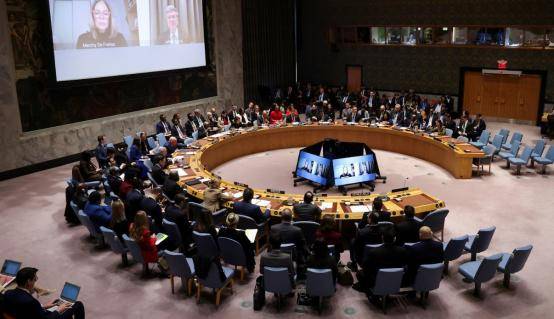
特朗普售出价值 5 亿委内瑞拉原油,意向买家曝光,印度意图抄底
Sou Hu Cai Jing· 2026-02-24 13:08
Group 1 - The U.S. has sold its first batch of $500 million worth of Venezuelan oil, with more transactions expected to follow, indicating a unilateral appropriation of resources [1] - The oil is being distributed by traders Trafigura and Vitol, primarily targeting Asian markets such as India and China, suggesting that the final buyers will likely be from this region [1] - India is negotiating with Vitol for low-priced purchases, attempting to replicate previous profits from Russian oil imports, but the U.S. has raised prices by 30%, limiting India's profit margin [1] Group 2 - China is unlikely to purchase Venezuelan oil from the U.S. due to its commitment to uphold international law and its condemnation of U.S. bullying and colonial behavior towards Venezuela [2] - China had existing oil orders with Venezuela, but U.S. intervention has forced these resources to be redirected, significantly harming China's interests, leading to a higher likelihood of retaliatory measures rather than purchasing oil from the U.S. [4]

印度强势插手,委内瑞拉石油变局,中国退出谁接盘
Sou Hu Cai Jing· 2026-02-21 11:03
Core Viewpoint - The global energy market is experiencing a shift as India steps in to fill the gap left by China in purchasing Venezuelan oil, amidst changing U.S. regulations and geopolitical dynamics. Group 1: Market Dynamics - China has reduced its procurement of Venezuelan oil due to increased costs and the removal of long-standing discounts, leading to a significant gap in Venezuela's export market [5][10]. - India is strategically positioning itself to take advantage of this opportunity, aiming to diversify its oil sources and reduce dependency on Russian oil while managing domestic price pressures [12][14]. - The U.S. has relaxed some restrictions on Venezuelan oil, allowing American companies to participate in its transportation and sales, which indirectly benefits India by providing a new source of oil [9][24]. Group 2: Strategic Implications - India's approach is characterized by a focus on flexibility in its energy sourcing, which enhances the competitiveness of its refined products in the international market [12][28]. - The negotiations between India and Venezuela are framed as purely commercial, allowing India to navigate geopolitical tensions with both the U.S. and Russia effectively [21][15]. - Venezuela is also adapting by introducing new contract models to attract foreign investment and technology, aiming to revitalize its oil production capabilities [19][26]. Group 3: Future Outlook - The evolving dynamics suggest a reconfiguration of global energy supply chains, with India and Venezuela potentially establishing a more stable trading relationship [28]. - The interplay between China, India, and the U.S. indicates a complex balancing act in the energy market, where each player seeks to optimize their positions amidst fluctuating prices and geopolitical pressures [24][28]. - The situation reflects a broader trend of countries seeking to secure energy supplies while managing costs and diplomatic relations, highlighting the importance of strategic decision-making in the energy sector [28].
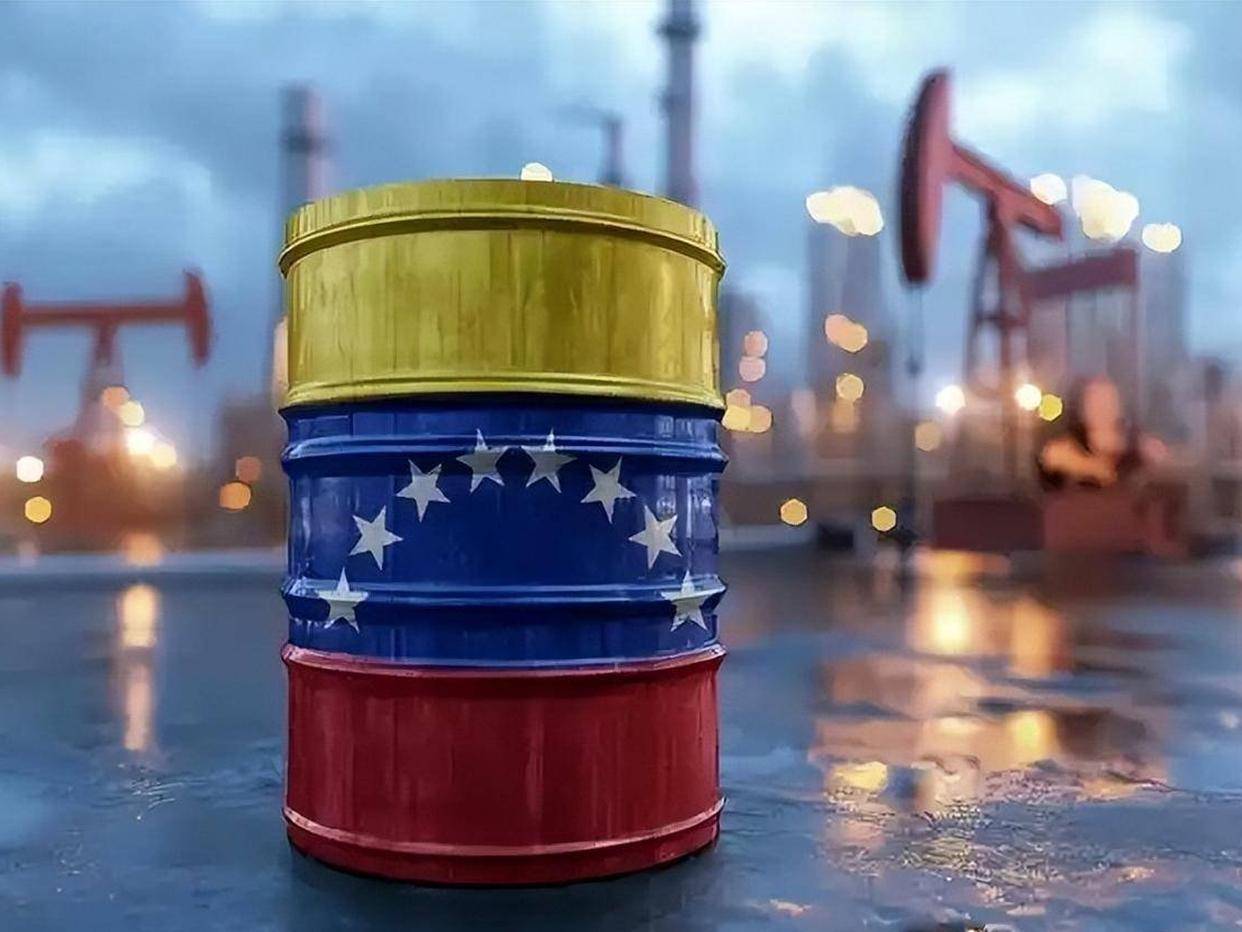
美能源部长透露:中国从我们这买了委内瑞拉石油,这事你知道吗?
Sou Hu Cai Jing· 2026-02-18 06:15
Core Insights - The U.S. military action in Venezuela in January 2026 led to the arrest of President Maduro and the subsequent control of the country's oil resources, with implications for global oil markets and geopolitical dynamics [1] - The involvement of China in purchasing Venezuelan oil from the U.S. indicates a complex interplay of international relations, where energy security and political maneuvering are intertwined [2][5] Group 1: U.S. Actions and Implications - The U.S. has taken direct control of Venezuela's oil resources, which are the largest proven reserves globally, and has begun to redistribute oil flows to stabilize global prices [1][4] - The U.S. has officially ended its comprehensive blockade on Venezuelan oil, allowing for a gradual return of oil to the international market, with China being a significant buyer [1][12] - The U.S. aims to weaken the influence of Russia and Iran in Venezuela by reallocating oil resources to other countries, including India and Israel, thereby creating a diversified buyer structure [1][4][12] Group 2: China's Position and Strategy - China has maintained a pragmatic approach, purchasing oil while refraining from publicly acknowledging the legitimacy of U.S. actions, reflecting a balance between national interests and geopolitical realities [5][10] - The Chinese government emphasizes the need for respect for Venezuela's sovereignty and its natural resources, indicating a cautious stance in the face of U.S. dominance [1][5] - China's energy security needs compel it to adapt to the new market dynamics, even as it navigates the complexities of international relations and the implications of U.S. control over Venezuelan oil [5][10] Group 3: Market Dynamics and Future Outlook - The restructuring of Venezuela's oil industry under U.S. guidance is expected to prioritize the involvement of clean and efficient companies, likely favoring U.S. or pro-U.S. entities [4][12] - The ongoing geopolitical maneuvering suggests that the future of Venezuela's oil sector will be shaped by multiple global players, with the U.S., China, and India playing pivotal roles [1][4][12] - The current state of energy transactions reflects a shift from direct confrontation to a more nuanced coexistence, where both the U.S. and China are testing boundaries while avoiding outright conflict [8][10]

美国试图转卖委内瑞拉石油遭中国断然拒绝,停令下美方算盘落空
Sou Hu Cai Jing· 2026-02-17 19:46
Core Viewpoint - The article discusses the recent geopolitical tensions surrounding Venezuela's oil exports, highlighting China's firm stance against U.S. attempts to control the situation and the implications for global energy markets [1][3][16]. Group 1: U.S. Actions and Implications - The U.S. has taken aggressive measures against Venezuela, including a direct takeover of its oil exports, which is seen as an outdated approach in modern trade [3][16]. - The U.S. proposed a significant price increase for Venezuelan oil, from $30 to $45 per barrel, representing a 50% hike, while also stipulating that payments must go to U.S.-designated accounts [5][13]. - This strategy is perceived as an attempt to manipulate the market and undermine China's energy settlement systems [5][16]. Group 2: China's Response and Strategy - China swiftly issued a ban on Venezuelan oil imports, instructing its oil companies to halt all contracts and payments related to Venezuelan crude [5][9]. - China's energy diversification efforts over the past decade have reduced its dependency on Venezuelan oil, with imports showing a decline for the first time in years [7][9]. - The technical challenges associated with processing Venezuelan heavy crude oil make it less appealing to other countries, reinforcing China's unique position as the most capable processor of such oil [9][11]. Group 3: Broader Implications for Global Trade - The situation reflects a shift in global energy dynamics, where reliance on U.S. control over resources is diminishing, and countries are increasingly seeking alternatives to the dollar for energy transactions [13][14]. - The U.S. strategy has backfired, leading to a loss of credibility and trust among oil-producing nations, who now view the U.S. as a potential aggressor [16][18]. - The article emphasizes that the future of global energy markets will depend on rules and credit rather than coercion and force, marking a significant change in international trade practices [16][18].
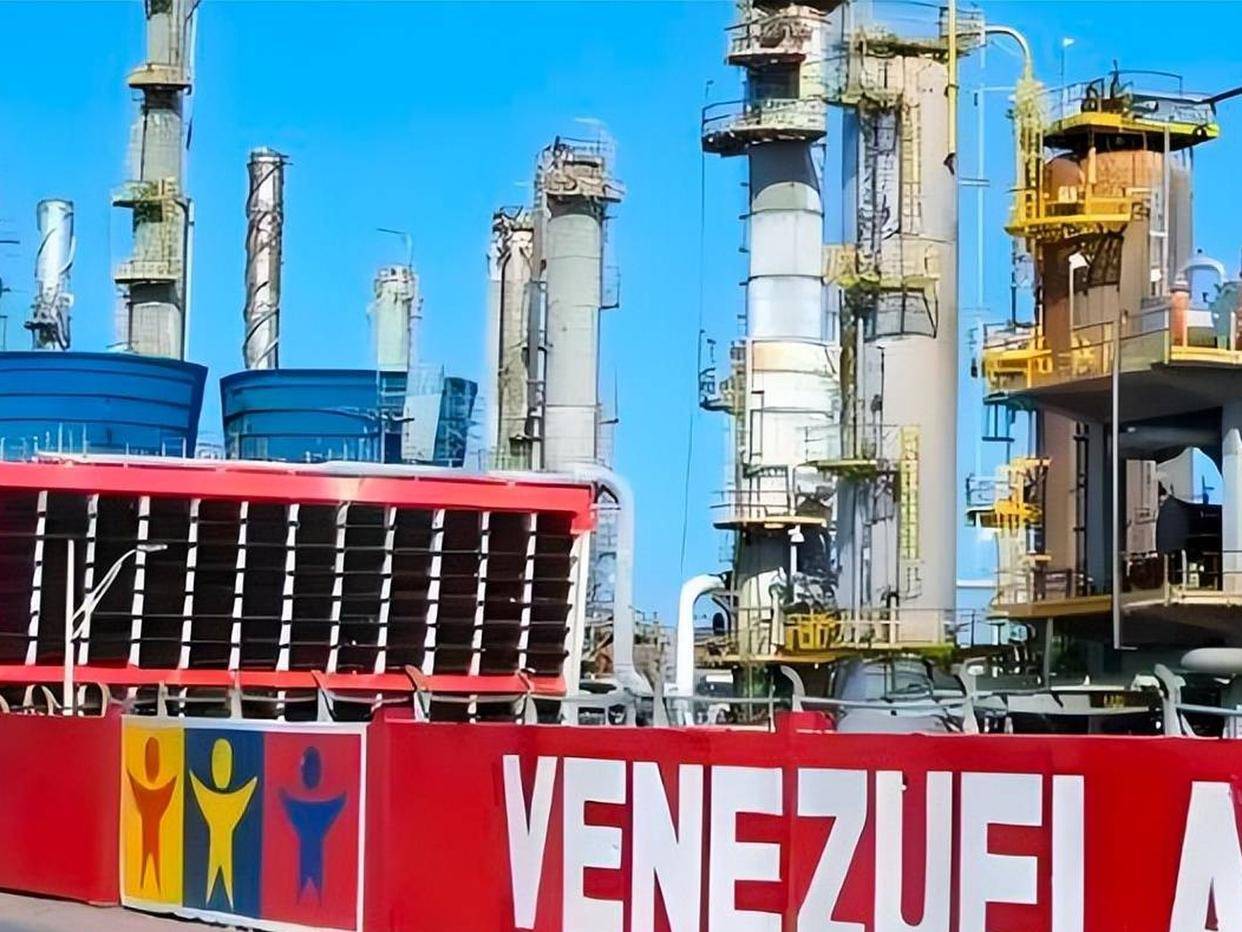
美国放出口风,中方同意购买委石油!中美高层密谈
Sou Hu Cai Jing· 2026-02-13 12:42
Group 1 - The core point of the article is that China has begun purchasing Venezuelan oil, which is under U.S. control, signaling a potential shift in U.S.-China relations amidst U.S. financial constraints [1][3][18] - The U.S. Energy Secretary acknowledged that China's procurement of Venezuelan oil is a result of a slight adjustment in U.S. sanctions, indicating a willingness to cooperate with China [3][5] - China's response to the situation was cautious, stating they "do not understand the situation," suggesting a reluctance to engage without clear terms and conditions [5][16] Group 2 - Venezuela's oil production is currently less than one-third of what it was two decades ago, making investment returns unattractive, which has deterred companies like Chevron from investing [7][9] - The U.S. appears to be attempting to shift the burden of Venezuelan oil extraction to China, despite having previously worked to exclude Chinese investment from Latin America [7][11] - The U.S. refineries are not well-suited for processing Venezuelan heavy oil, and selling it to China could help the U.S. manage its inventory while also preparing for upcoming diplomatic engagements [9][11] Group 3 - China is cautious about entering the Venezuelan oil market, preferring to establish clear agreements regarding responsibilities, profit-sharing, and risk management before proceeding [11][16] - The article suggests that the recent U.S. announcement regarding China's oil purchases is more of a political maneuver than a substantive change in the energy landscape, reflecting U.S. desperation [18]
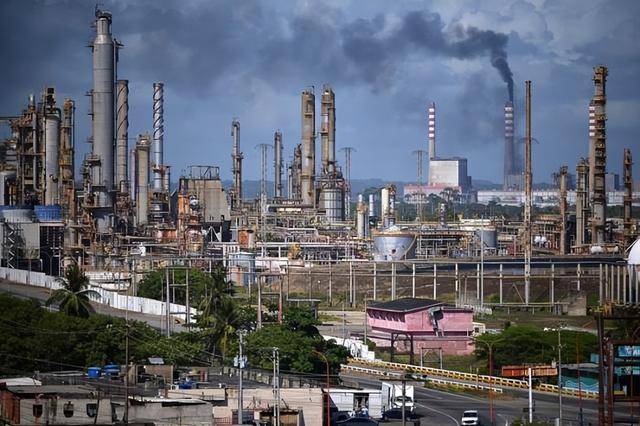
美能源部长放风:中国从我们手里买了委石油
Sou Hu Cai Jing· 2026-02-13 12:27
Core Insights - The U.S. Energy Secretary, Dan Brouillette, became the first high-ranking official from the Trump administration to visit Venezuela, indicating a shift in U.S. policy towards the country’s oil sector [1] - Brouillette stated that the U.S. oil blockade on Venezuela has essentially ended, with China being a major buyer of Venezuelan oil sold by the U.S. government [1][4] - The Trump administration aims to reduce the influence of China, Russia, and Iran in Venezuela by promoting U.S. and allied companies in the reconstruction of the Venezuelan oil industry [3] Group 1: U.S. Policy and Actions - The U.S. government has allowed China to purchase Venezuelan oil but prohibits the use of unfair low pricing associated with the Maduro government [4] - Brouillette emphasized that the military action taken by the U.S. was not solely about Venezuela's oil wealth but rather a geopolitical issue affecting the entire Western Hemisphere [4] - The U.S. is looking to improve the business environment for American companies in Venezuela, as indicated by Brouillette's discussions with Venezuelan interim president, Delcy Rodríguez [3] Group 2: Market Dynamics - Following U.S. military actions, several Indian refineries have begun purchasing Venezuelan oil, and the Indian government is encouraging state-owned refiners to increase their purchases of both Venezuelan and U.S. oil [4] - Venezuela's oil production is expected to recover in the medium term, with estimates suggesting it could reach 2 million barrels per day within two to three years [4] - As of December last year, Venezuela's oil production was approximately 896,000 barrels per day, indicating significant room for growth [4]
美能源部长兴奋官宣,称中国已买委石油,外交部6字回应藏玄机
Sou Hu Cai Jing· 2026-02-13 03:39
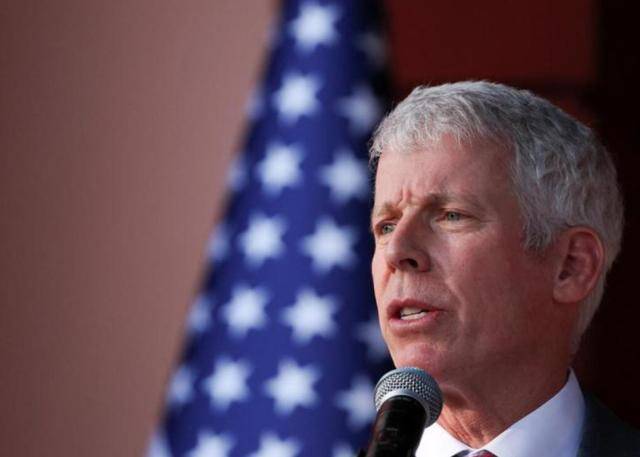
Core Viewpoint - The article discusses the complexities and contradictions in U.S. actions regarding Venezuelan oil, particularly in relation to China's involvement and the implications of U.S. energy policy [1][45]. Group 1: U.S. Actions and Statements - U.S. Energy Secretary Chris Wright announced that China has purchased Venezuelan oil, which sparked significant discussion and skepticism due to the lack of details provided [3][6]. - Wright's background in the oil and gas industry and his political motivations raise questions about the credibility of his statements [5][8]. - The U.S. has been attempting to control Venezuelan oil sales, with recent announcements indicating a conditional easing of sanctions that still allow U.S. oversight over transactions [19][21]. Group 2: China's Position and Response - China's Ministry of Foreign Affairs responded to Wright's claims with a succinct statement, "I do not understand the situation," which neither confirmed nor denied the purchase, reflecting a strategic diplomatic stance [31][36]. - The response indicates that any potential oil transactions between China and Venezuela would be based on mutual benefit and respect for sovereignty, rather than U.S. dictates [25][42]. - China has historically been the largest buyer of Venezuelan oil, and its cooperation with Venezuela is protected by international law, making it resistant to U.S. pressure [38][40]. Group 3: Implications of U.S. and China Relations - The article highlights the ongoing struggle between U.S. hegemony and the sovereignty of nations like Venezuela, with the U.S. attempting to leverage its power to influence foreign resource management [17][45]. - The situation underscores the broader geopolitical dynamics at play, where U.S. attempts to assert control over Venezuelan resources are met with resistance from China, emphasizing the importance of respecting national sovereignty [47].
美能源部长兴奋透露,称中国已买委石油,外交部给出6字回应!
Sou Hu Cai Jing· 2026-02-13 02:53
Group 1 - The core point of the article is that U.S. Energy Secretary Chris Wright claimed that China has purchased some Venezuelan oil sold by the U.S. government, but this information remains unverified and has been met with a vague response from the Chinese Foreign Ministry [1][3]. - The U.S. has not explicitly prohibited China from purchasing Venezuelan oil but has imposed conditions that require China to buy at higher prices set by the U.S., with revenues deposited into a U.S. "special account" [3]. - China has asserted that Venezuela is a sovereign nation and should decide to whom it sells its oil, indicating that any transactions between China and Venezuela are independent of U.S. influence [3][5]. Group 2 - Wright's claims about China having paid for the oil lack specific details such as the timing and quantity of the purchase, raising doubts about the credibility of his statements [5]. - There is a possibility that the U.S. and China have made some progress in negotiations, but the lack of concrete information suggests that Wright may have exaggerated the situation [5]. - Regardless of whether China has indeed purchased Venezuelan oil, it is clear that China will not support U.S. dominance in this matter, emphasizing that any dealings are strictly between China and Venezuela [5].
沥青春节假期持仓报告:供需双弱,易受原油波动影响
Guan Tong Qi Huo· 2026-02-12 09:57
1. Report Industry Investment Rating - No information provided 2. Core Viewpoints of the Report - The asphalt market is characterized by weak supply and demand and is susceptible to crude oil price fluctuations During the Spring Festival holiday, due to the potential US - Iran negotiations and the uncertainty of the results, oil prices are expected to fluctuate significantly, and asphalt prices will follow suit It is recommended to participate cautiously, hold no positions during the holiday, and close the 03 - 06 reverse spread for profit [1] 3. Summary by Relevant Catalogs 3.1 Market Analysis - Supply side: Last week, the asphalt operating rate dropped 1.0 percentage point to 24.5% week - on - week, 0.1 percentage points higher than the same period last year, and at a relatively low level in recent years In February 2026, domestic asphalt is expected to have a production volume of 1.936 million tons, a decrease of 64,000 tons (3.2%) month - on - month and 135,000 tons (6.5%) year - on - year [1] - Demand side: Last week, approaching the Spring Festival, the operating rates of most downstream asphalt industries declined, with the road asphalt operating rate dropping 5 percentage points to 9% week - on - week In Shandong, after the price increase, the terminal demand was weak, and the shipment volume decreased significantly, with the national shipment volume decreasing 1.33% to 211,600 tons week - on - week, at a moderately low level [1] - Inventory: The asphalt refinery inventory rate decreased slightly week - on - week and was at the lowest level in the same period in recent years [1] - Crude oil impact: The flow of Venezuelan heavy crude oil to domestic local refineries is severely restricted, which affects domestic asphalt production and costs Although the possibility of domestic refineries obtaining Venezuelan crude oil has increased, it is still expected to be significantly lower than before the US intervention [1] - Price and trading: Shandong asphalt prices are stable, and the basis is still at a low level It is expected that domestic refineries will still have raw material inventories available before March Logistics gradually stops approaching the Spring Festival, and spot trading has become lighter [1] 3.2 Futures and Spot Market Quotes - Futures: Today, the asphalt futures 2604 contract fell 0.24% to 3343 yuan/ton, below the 5 - day moving average The lowest price was 3320 yuan/ton, the highest was 3398 yuan/ton, and the open interest decreased by 5812 to 154,728 lots [2] - Basis: The mainstream market price in Shandong remained at 3210 yuan/ton, and the basis of the asphalt 03 contract rose to - 133 yuan/ton, at a low level [3] 3.3 Fundamental Tracking - Supply side: Individually, some refineries postponed their resumption of production, and the asphalt operating rate dropped 1.0 percentage point to 24.5% week - on - week, 0.1 percentage points higher than the same period last year, at a relatively low level in recent years From January to November, the national highway construction investment decreased by 5.9% year - on - year, and the cumulative year - on - year growth rate increased by 0.1 percentage points compared with the period from January to October 2025 but was still negative In 2025, from January to December, the actual completed fixed - asset investment in road transportation decreased by 6.0% year - on - year, continuing to decline from - 4.7% in the period from January to November 2025, still in a cumulative year - on - year negative growth situation From January to December 2025, the completed fixed - asset investment in infrastructure construction (excluding electricity) decreased by 2.2% year - on - year, continuing to decline from - 1.1% in the period from January to November 2025 As of the week of February 6, approaching the Spring Festival, the operating rates of most downstream asphalt industries declined, with the road asphalt operating rate dropping 5 percentage points to 9% week - on - week From the perspective of social financing stock, from January to December 2025, the social financing stock increased by 8.3% year - on - year, and the growth rate decreased by 0.2 percentage points compared with the period from January to November The recovery of enterprises' medium - and long - term financing demand is still weak [4] - Inventory: As of the week of February 6, the asphalt refinery inventory rate decreased by 0.2 percentage points to 13.4% compared with the week of January 30, at the lowest level in the same period in recent years [4]