
教师资源优化配置

Search documents
去年小学专任教师减少6.62万
第一财经· 2025-11-15 09:30
Core Viewpoint - The article discusses the significant impact of changing birth rates on the education sector in China, particularly focusing on the reduction of teachers in kindergartens and primary schools, and the subsequent effects on higher education levels [3][4]. Summary by Sections Impact on Kindergarten and Primary Education - The number of full-time primary school teachers in China decreased by 66,200 in 2024 compared to the previous year, with 11 provinces reporting an increase in primary school teachers [3]. - In the early childhood education sector, the number of full-time teachers has declined for two consecutive years, dropping from 3.2442 million in 2022 to 2.8319 million in 2024, a reduction of 412,300 teachers [3]. Enrollment and Teacher Distribution - In 2024, primary school enrollment reached 16.1663 million, a decrease of 2.6125 million from the previous year [3]. - Urban areas saw an increase of 87,800 primary school teachers, while town and rural areas experienced a decrease of 36,000 and 118,000 teachers, respectively [4]. Resource Allocation and Teacher Transition - As the population shifts from rural to urban areas, there is a need to adjust educational resources accordingly [3]. - To address the surplus of primary school teachers and the shortage of middle school teachers, some regions are reallocating teachers. For instance, Xiamen's education bureau plans to select primary school teachers to teach in middle and high schools starting in June 2024 [4]. - The announcement from Fengcheng City in Jiangxi Province highlights the strategy of transferring teachers from rural primary schools to rural middle schools to optimize existing educational resources without increasing the fiscal burden [4].

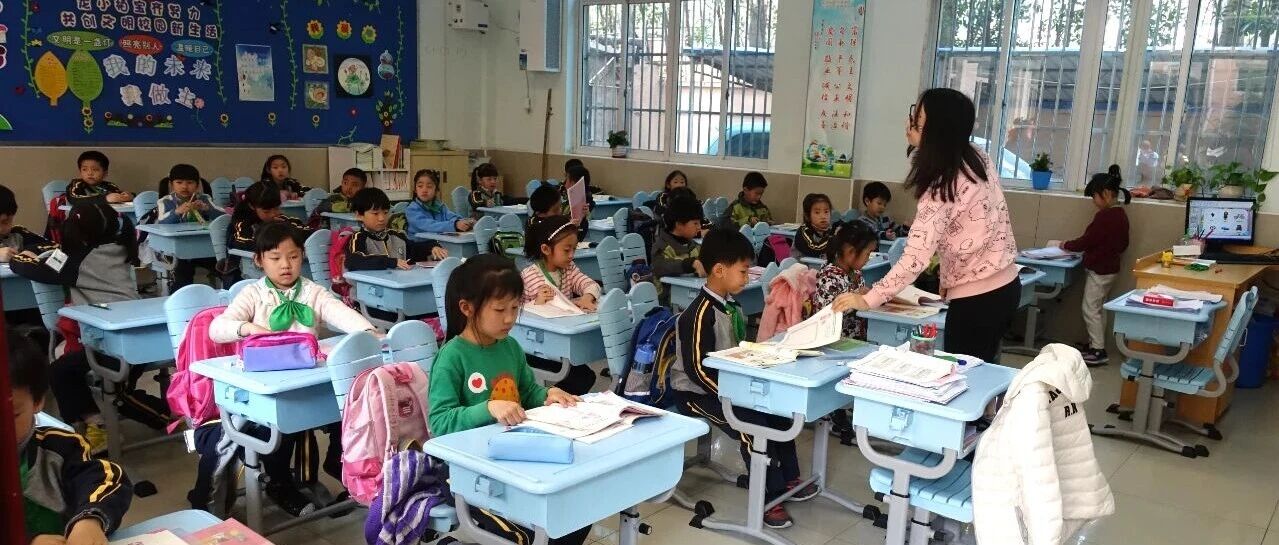
初中招生人数连增4年,多地小学老师被调去教初中
第一财经· 2025-09-27 07:05
Core Insights - The article discusses the increasing enrollment in junior high schools in China, highlighting a continuous growth trend over the past four years, with 2024 seeing an increase of 941,200 students compared to the previous year [3][4]. Enrollment Trends - In 2024, there were 18.49 million new enrollments in junior high schools, with a total of 53.86 million students currently enrolled and 16.98 million graduates [3]. - The enrollment numbers have shown a consistent increase: 17.05 million in 2021, 17.31 million in 2022, and 17.54 million in 2023, indicating a growth of 4.49%, 1.52%, and 1.34% respectively [4]. Regional Demand - Urban areas are experiencing significant increases in junior high school enrollment due to urbanization, with cities like Fuzhou and Quanzhou planning to expand their enrollment capacities [4][5]. - For instance, Fuzhou's public junior high school enrollment classes increased by 38 compared to the previous year, while Quanzhou's total junior high school enrollment demand is projected to reach 8,856 students in 2025, leading to a shortfall of approximately 1,783 places [5]. Teacher Resource Allocation - The article notes a shift in teacher allocation, with some regions reallocating primary school teachers to junior high schools to address the shortage of middle school teachers while managing excess primary school staff [6]. - This strategy is seen in places like Longyan City, where 30 primary school teachers were selected to teach in junior high schools to meet the demand [6]. Challenges in Teacher Transition - The effectiveness of this teacher transition depends on the teachers' qualifications and backgrounds, with some teachers potentially struggling to adapt to the new teaching environment [6]. - There is a need for improved training and evaluation standards for teachers transitioning from primary to junior high school education [6].
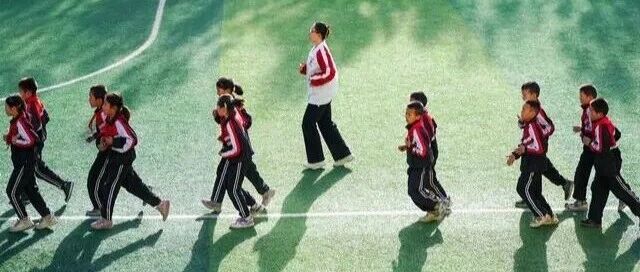
初中招生人数连增4年 多地小学老师被调去教初中
Di Yi Cai Jing· 2025-09-27 06:09
Group 1 - The number of junior high school enrollments in China increased by 941,200 in 2024, marking the fourth consecutive year of growth, while elementary school enrollments decreased by 2,612,500 [1][2] - In 2024, there are 5.21 million junior high schools in China, with total enrollments reaching 18.49 million and in-school students totaling 53.86 million [1] - The increase in junior high school enrollments is attributed to urbanization and rising demand in urban areas, as seen in cities like Fuzhou, which plans to increase the number of classes for public junior high schools [1] Group 2 - In Fengze District of Quanzhou, the total number of elementary school graduates is expected to reach 8,656 in 2025, a 4.3% increase from 2024, leading to an anticipated demand for 8,856 junior high school enrollments [2] - Zhengzhou reported an increase of 13,000 in the number of students participating in the transition from elementary to junior high school, with migrant children making up 29.8% of the total [2] - The Ministry of Education indicated that the scale of elementary school students has peaked, while the population of junior high school students continues to grow [2] Group 3 - In response to the surplus of elementary school teachers and the shortage of junior high school teachers, regions like Longyan City in Fujian Province are reallocating teachers from elementary to junior high schools [3] - The reallocation of teachers aims to optimize resource distribution without increasing fiscal burdens, although the suitability of elementary teachers for junior high positions depends on their qualifications and training [3] - Concerns exist regarding the ability of elementary teachers to adapt to junior high school teaching, particularly if they lack relevant educational backgrounds [3]
攸关强国,国家下决心提升教师教育能力|教育大变革⑧
2 1 Shi Ji Jing Ji Bao Dao· 2025-05-08 13:35
Group 1 - The construction of a high-quality and professional teacher workforce is recognized as a fundamental task in building an education powerhouse, with recent initiatives launched by the Ministry of Education and the National Development and Reform Commission to enhance teacher education capabilities [1][2] - The "Notice" emphasizes the need for financial support through various funding channels, including central budget investments and local government bonds, to ensure the infrastructure development for teacher education [1][7] - The "Education Powerhouse Construction Plan (2024-2035)" highlights the importance of improving teachers' professional quality and optimizing resource allocation, aiming to elevate their political, social, and professional status [1][3] Group 2 - As of the end of 2023, there are 18.92 million full-time teachers in China, an increase of 114,200 from the previous year, indicating a growing demand for teacher resources amid fluctuations in school-age populations and urbanization [3][4] - The recent deployment meetings stress the need to establish new mechanisms for aligning teacher supply and demand in response to changing demographics, while also addressing the regional imbalance in teacher resources [3][4] - The number of applicants for the national teacher qualification exam surged from 172,000 in 2012 to 11.44 million in 2022, reflecting a significant increase in interest in teaching careers over the past decade [3][4] Group 3 - The establishment of new teacher education institutions, such as the Education College at Tsinghua University, aims to cultivate high-quality educators with a global perspective and innovative spirit [5][6] - There is a noticeable trend of increasing educational qualifications among teachers, with the proportion of primary school teachers holding graduate degrees rising from 1.1% in 2018 to 2.1% in 2022 [6][7] - The Ministry of Education's recent initiatives aim to support high-level teacher education institutions, ensuring that funding and policy support are directed towards enhancing teacher education capabilities [7]