出生人口变化对教育的影响

Search documents
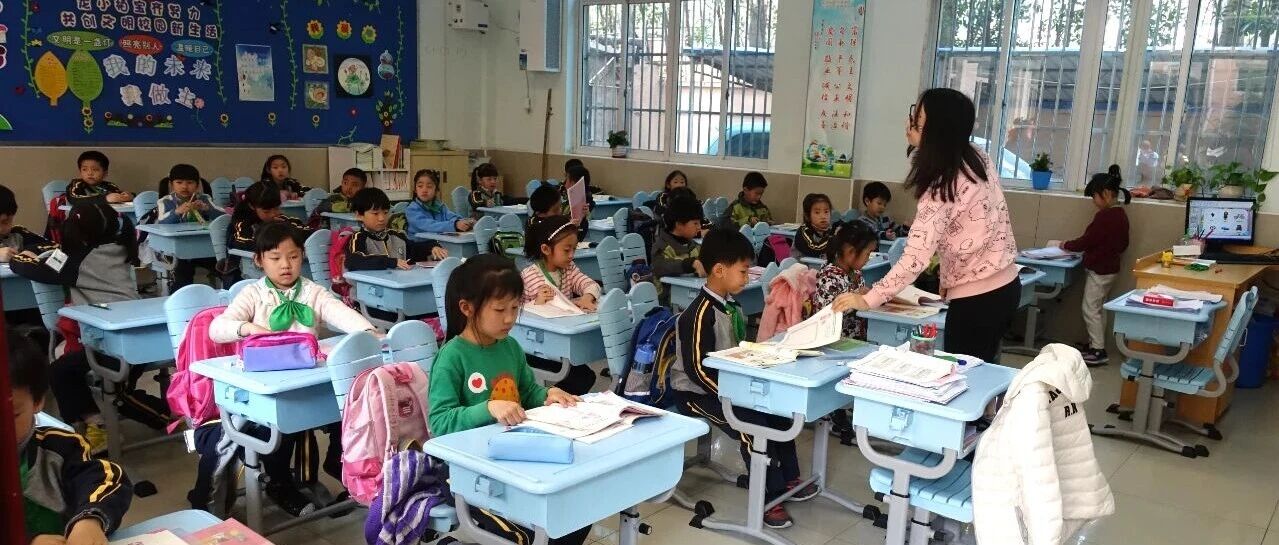
多校幼师专业大幅缩招,去年幼儿园教师减少超24万
第一财经· 2025-12-19 10:37
Core Viewpoint - The article discusses the significant impact of declining birth rates on the early childhood education sector in China, particularly focusing on the reduction in the number of kindergartens and qualified teachers [3][4]. Group 1: Changes in Early Childhood Education - The number of full-time kindergarten teachers in China decreased by 241,800 from 2022 to 2024, dropping from 3,244,200 to 2,831,900, marking a total decline of 412,300 over two years [4]. - The total number of kindergartens in China has also seen a continuous decline since 2022, with a reduction of 5,610 kindergartens in 2022 (1.9% decrease) and 14,808 in 2023 (5.12% decrease), resulting in a total loss of 41,569 kindergartens over three years [4]. Group 2: Future Trends and Adjustments - Despite the ongoing decline in birth rates, the rate of decrease is expected to slow down, with a projected increase of 520,000 in the birth population for 2024 compared to 2023, which may stabilize the number of kindergarten teachers and kindergartens in the future [5]. - Several teacher training colleges are adapting to these changes, with institutions like Hengyang Preschool Normal College establishing new departments to align with industry needs, such as setting up a Measurement and Automation Department to support advanced manufacturing [5][6]. Group 3: Institutional Responses - Ningbo Preschool Normal College has reduced its enrollment for five-year and three-year preschool education programs, aiming to eliminate the five-year program within three years and cut the three-year program enrollment by half, while also expanding into related fields like infant care and early education [6][7]. - Hunan Preschool Normal College is focusing on transforming its educational approach by developing new programs that cater to the entire lifecycle of child education and care, emphasizing the integration of digital transformation and industry needs [7].

去年小学专任教师减少6.62万
第一财经· 2025-11-15 09:30
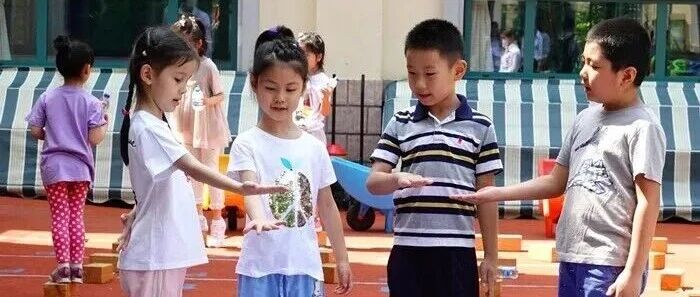
Core Viewpoint - The article discusses the significant impact of changing birth rates on the education sector in China, particularly focusing on the reduction of teachers in kindergartens and primary schools, and the subsequent effects on higher education levels [3][4]. Summary by Sections Impact on Kindergarten and Primary Education - The number of full-time primary school teachers in China decreased by 66,200 in 2024 compared to the previous year, with 11 provinces reporting an increase in primary school teachers [3]. - In the early childhood education sector, the number of full-time teachers has declined for two consecutive years, dropping from 3.2442 million in 2022 to 2.8319 million in 2024, a reduction of 412,300 teachers [3]. Enrollment and Teacher Distribution - In 2024, primary school enrollment reached 16.1663 million, a decrease of 2.6125 million from the previous year [3]. - Urban areas saw an increase of 87,800 primary school teachers, while town and rural areas experienced a decrease of 36,000 and 118,000 teachers, respectively [4]. Resource Allocation and Teacher Transition - As the population shifts from rural to urban areas, there is a need to adjust educational resources accordingly [3]. - To address the surplus of primary school teachers and the shortage of middle school teachers, some regions are reallocating teachers. For instance, Xiamen's education bureau plans to select primary school teachers to teach in middle and high schools starting in June 2024 [4]. - The announcement from Fengcheng City in Jiangxi Province highlights the strategy of transferring teachers from rural primary schools to rural middle schools to optimize existing educational resources without increasing the fiscal burden [4].