教育反内卷

Search documents
“全员直升高中”调查:海岛县教育反“内卷”先行一步
2 1 Shi Ji Jing Ji Bao Dao· 2026-01-29 10:16
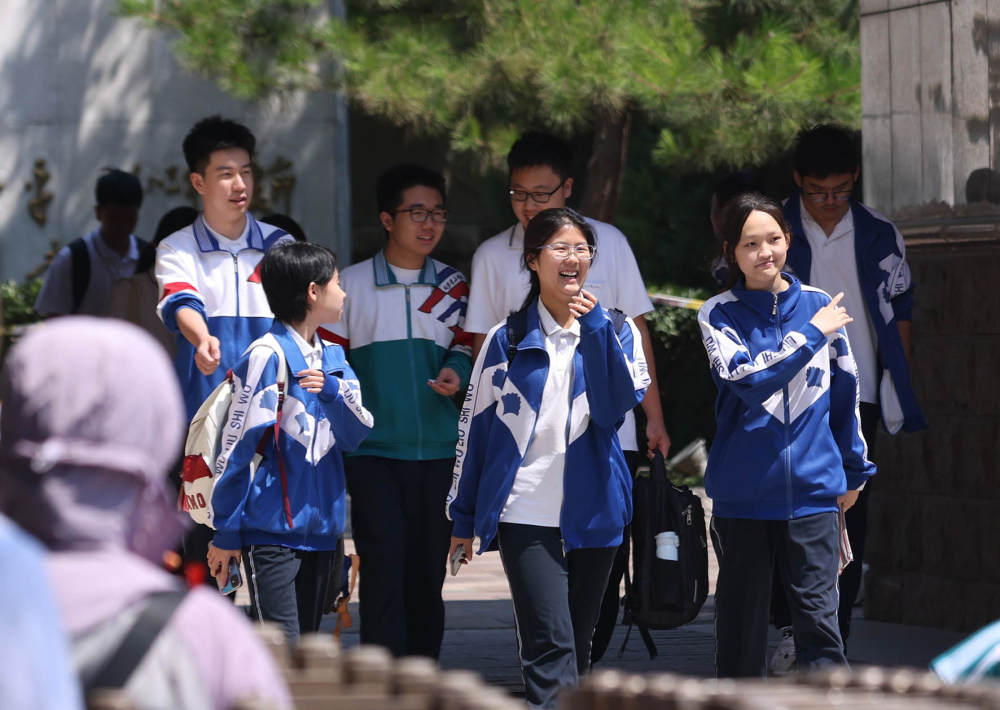
Core Viewpoint - The recent initiative by Zhoushan's Shengsi County to implement a "universal promotion to high school" mechanism has sparked significant public discussion, emphasizing a shift from competitive selection in education to a more inclusive approach [1][3]. Group 1: Educational Reform - Shengsi County's education bureau aims to reform the examination system by reducing the selection function of the high school entrance exam (Zhongkao), allowing all students who meet graduation criteria and wish to attend high school to enroll in Shengsi Middle School [3][5]. - The average enrollment at Shengsi Middle School is projected to increase from 230 students in 2024 to 342 students in 2025, reflecting the county's commitment to expanding access to education [3][4]. - The county has seen a continuous decline in junior high school enrollment, with only 325 students expected by 2024, facilitating the "universal promotion to high school" trend [8]. Group 2: Academic Performance - Despite concerns that reducing exam pressure might negatively impact student performance, Shengsi County has maintained the highest average Zhongkao scores in Zhoushan for seven consecutive years, indicating that educational outcomes can improve without high-stakes testing [11][12]. - The high school admission rate for Shengsi County reached 81% in 2025, with all 266 students who applied being accepted, demonstrating the success of the "willing to read, all can read" policy [13][15]. Group 3: Retaining Talent - The county faces challenges in retaining top students, as many families choose to relocate for better educational opportunities, leading to a loss of high-achieving students [14][15]. - To address this, Shengsi County has partnered with Hangzhou Xuejun Middle School to enhance educational resources and support for high-achieving students, including a three-year assistance agreement [15][16]. Group 4: Vocational Education - Shengsi County recognizes the importance of vocational education, with a focus on integrating vocational and academic pathways to meet diverse student needs and local labor market demands [20][22]. - The county's vocational training center offers programs aligned with local industries, such as tourism and e-commerce, to prepare students for the workforce [20][21].

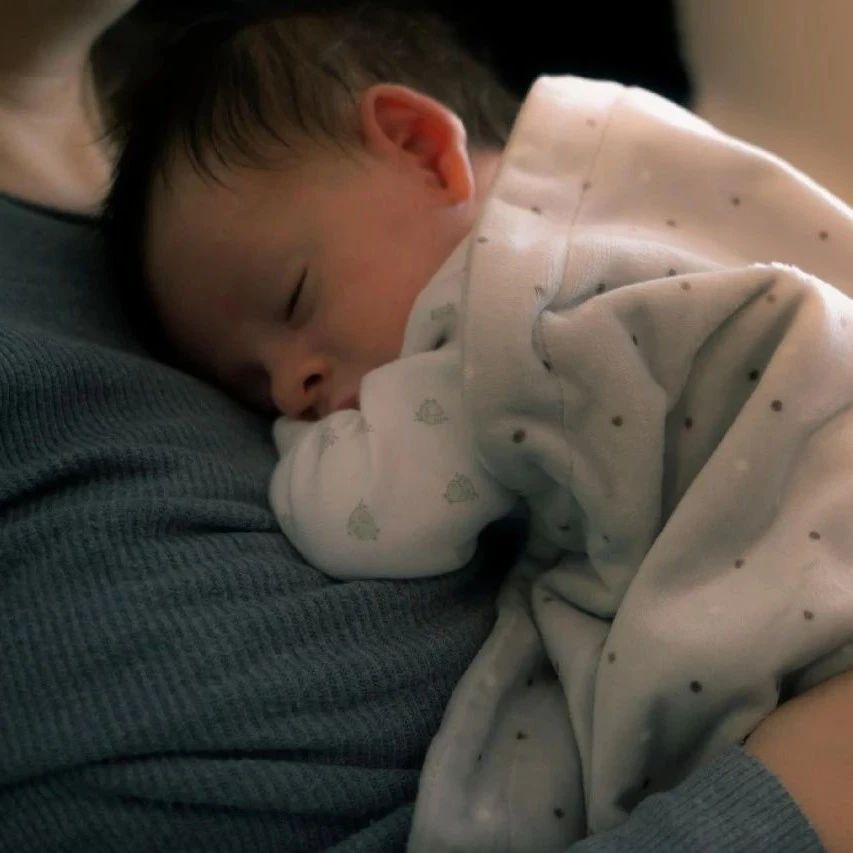
经观社论|用真金白银传递生育友好信号
经济观察报· 2025-08-03 04:23
Core Viewpoint - The introduction of a national childcare subsidy policy marks a significant step in building a supportive environment for childbirth in China, reflecting the government's commitment to encouraging higher birth rates and addressing demographic challenges [2][5]. Group 1: Childcare Subsidy Policy - The newly implemented "national childcare subsidy" policy will provide an annual subsidy of 3,600 yuan per child until the age of three, starting from January 1, 2025 [2]. - This is the first time the government has established a clear framework for childcare subsidies at the national level, with central government funding covering approximately 90% of the costs [2][3]. - The initial budget for this transfer payment from the central government is around 90 billion yuan [2]. Group 2: Local Government Flexibility - The policy allows local governments to adjust the subsidy amount based on their financial capabilities, providing flexibility to cater to local demographic and economic conditions [3][4]. - There is a suggestion that subsidies could be distributed based on resident population rather than household registration, which aligns with the trend of de-linking public welfare from residency status [4]. Group 3: Comprehensive Support System - The childcare subsidy is part of a broader strategy that includes support across the entire lifecycle, addressing areas such as employment rights for women, education, and housing [4]. - The government is also working on initiatives to promote free preschool education, which is expected to further alleviate the financial burden on families [4]. Group 4: Societal Attitudes and Cultural Change - The introduction of the subsidy aims to foster a more childbirth-friendly social atmosphere, which is crucial for enhancing birth rates [5]. - There is a noted societal trend of "child aversion," which negatively impacts birth willingness, indicating a need for cultural shifts alongside policy changes [5].