
教育资源均衡

Search documents
摇号上高中,为什么
21世纪经济报道· 2025-11-30 03:33
Core Viewpoint - The article discusses the implementation of a lottery system for high school admissions in Chao Lake, aimed at balancing student enrollment across schools and reducing academic pressure on students [1][5][10]. Group 1: Background and Rationale - The lottery system, known as balanced allocation enrollment, has been in practice in Chao Lake for 12 years and is being promoted in other cities as part of the national education reform [1][5]. - The Ministry of Education has emphasized the need for diverse admission mechanisms, including balanced allocation, to alleviate educational anxiety and competition [1][6]. Group 2: Implementation of the Lottery System - Chao Lake No. 1 High School plans to enroll 1,160 students in 2025, with 171 spots for regular admissions and 969 for allocated students, all determined by lottery due to high demand [8][9]. - The lottery process involves grouping students based on their exam scores to ensure a balanced representation of abilities within each group, thus preventing any single school from monopolizing high-achieving students [8][9]. Group 3: Impact on Educational Ecosystem - The introduction of the lottery system has led to a more equitable distribution of student resources among Chao Lake No. 1, No. 2, and No. 4 High Schools, reducing the dominance of No. 1 High School [9][10]. - The public perception of No. 2 and No. 4 High Schools has improved significantly, with a notable decrease in the number of applicants exceeding their enrollment capacity, indicating a shift in community trust and recognition of these schools [10][12]. Group 4: Broader Implications and Future Directions - The balanced allocation system is being adopted in various regions across China, with different rules and participant schools, reflecting a growing trend towards equitable education [12][13]. - The article suggests that while balanced allocation is a step towards educational equity, it should be implemented with consideration of existing educational resources and historical contexts to ensure effectiveness [13].

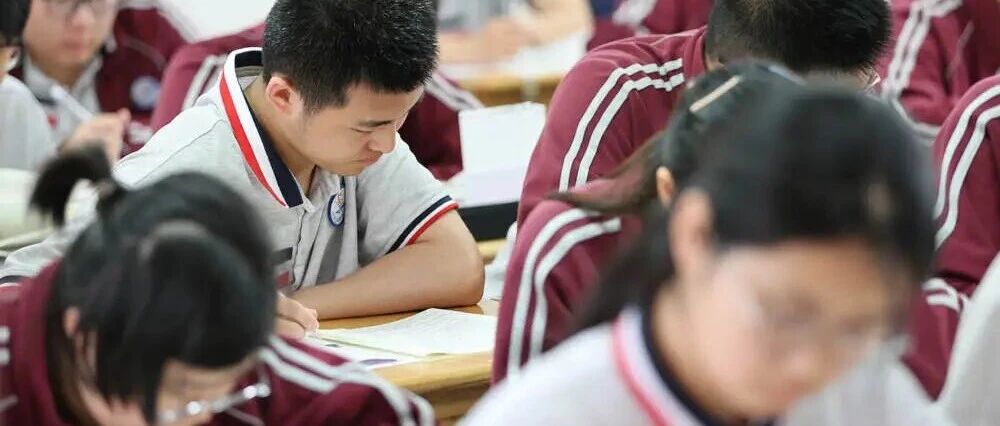
“十四五”期间山东济南新增学位23万余个
Zhong Guo Xin Wen Wang· 2025-11-12 11:51
Core Viewpoint - During the "14th Five-Year Plan" period, Jinan City is significantly enhancing its educational infrastructure by adding over 230,000 new student places through the construction and expansion of 316 schools and kindergartens, aiming to accelerate the supply of quality educational resources [1][3]. Group 1: Educational Infrastructure Development - Jinan has initiated the construction and expansion of 316 primary and secondary schools and kindergartens, resulting in the addition of over 230,000 student places [1]. - The city aims to meet the growing public demand for quality education by increasing the coverage of public kindergartens and the proportion of children in public kindergartens by 6 percentage points and 8 percentage points, respectively [3]. Group 2: Educational Equity and Quality - Jinan has implemented projects to improve weak links in compulsory education, focusing on over 2,000 campus and equipment projects to reduce disparities in education quality across regions and schools [3]. - Five districts in Jinan have been recognized as national counties for the balanced development of compulsory education, with plans to achieve full coverage by 2030 [3]. Group 3: Higher Education and Talent Development - The city is leveraging its higher education institutions to support innovation platforms in collaboration with local enterprises, resulting in the training of over 770 innovative talents in key disciplines [4]. - Jinan has established 80 collaborative platforms, including engineering colleges and innovation centers, and has incubated 542 new enterprises, providing over 4,600 technical services to local businesses [4]. Group 4: Teacher Development - Jinan has developed a comprehensive teacher training system that includes national and provincial training programs, aiming to cultivate outstanding educators and support rural teachers [5]. - The city has recognized several exemplary teachers, including 7 national model teachers and 42 provincial excellent teachers during the "14th Five-Year Plan" period [5].
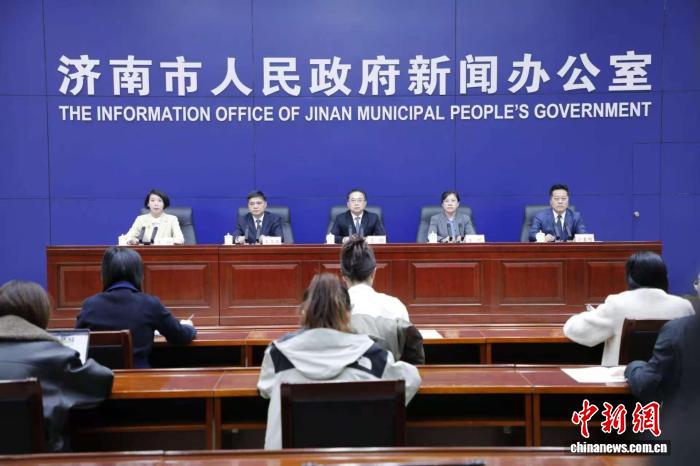
中国高校第一省,又变了
36氪· 2025-07-02 00:10
Core Viewpoint - The article discusses the evolving landscape of higher education in China, highlighting the rapid establishment of new universities and the shifting distribution of institutions across provinces, particularly focusing on the implications for regional development and educational quality [5][6][10]. Group 1: Overview of Higher Education Landscape - As of 2025, there are 2,919 higher education institutions in China, including 1,365 universities and 1,554 vocational colleges [6]. - Over the past year, more than 100 new universities have been established or renamed, including 36 vocational universities transitioning to "specialized undergraduate" institutions [7]. Group 2: Provincial Distribution of Universities - Twelve provinces have over 100 universities, predominantly in the eastern and central regions [10]. - Henan leads with 178 universities, surpassing traditional educational powerhouses like Jiangsu, Shandong, and Guangdong [11][12]. - The increase in Henan's universities from 140 to over 170 in recent years reflects a significant push for higher education [12]. Group 3: Quality vs. Quantity in Higher Education - While Henan has a high number of institutions, the majority are vocational colleges, raising concerns about the quality of education [14]. - In contrast, Jiangsu has 82 undergraduate institutions, maintaining its position as the top province for quality higher education [16]. - Beijing has a unique profile with nearly 75% of its universities being undergraduate institutions, indicating a focus on educational quality [20]. Group 4: Challenges and Strategic Responses - Henan's strategy of building vocational colleges aims to address immediate educational needs and align with regional industrial demands, particularly in skill-based sectors [34][36]. - The province's gross enrollment rate in higher education is still below the national average, necessitating a focus on expanding access [33]. - The article emphasizes the need for a balance between quantity and quality in higher education, advocating for improvements in educational standards rather than mere expansion [48][57]. Group 5: Future Directions and Policy Implications - The Ministry of Education plans to direct new higher education resources towards central and western provinces, which may benefit regions like Henan [62]. - There is a push for local universities to establish branches and for collaboration with institutions from Hong Kong and Macau, enhancing educational opportunities in economically vibrant areas [66][70]. - The article concludes that while the expansion of universities is crucial, the focus should shift towards building high-quality institutions to meet future educational demands [57][74].
南京不断均衡家门口的教育资源
Nan Jing Ri Bao· 2025-06-12 00:17
Core Viewpoint - The construction of the Yanziji New Town primary school project is progressing rapidly, with the aim to enhance local educational resources and quality in Nanjing [1][2]. Group 1: Project Details - The Yanziji New Town primary school project has entered the above-ground construction phase after completing the "zero elevation" stage last month [1]. - The project is located on the east side of Yanziji New Town, with surrounding residential areas already developed [1]. - The school will consist of three main buildings, including two teaching buildings and an office building, designed with a trapezoidal hollow structure to improve natural lighting and provide green spaces for students [2]. Group 2: Construction Techniques - The project employs prefabricated high-strength concrete and steel truss floor slabs, which eliminate the need for traditional formwork, thus saving materials [1]. - The second building features a steel structure for a large-span indoor basketball court, enhancing the facility's functionality [2]. Group 3: Educational Impact - The school is planned to accommodate 48 classes and is expected to be completed by 2026, contributing to the optimization of educational layout and quality in the region [2]. - Other educational projects in the area include the construction of Guanyinmen Primary School, kindergarten, and secondary school, aiming to fill the gap in quality educational resources in the northern part of the city [2][3]. - The construction of new schools, including the new campus of the 29th Middle School, is part of a broader initiative to balance educational resources in Nanjing [3].