
数字人民币智能合约应用

Search documents
全国首单落地!数字人民币到了新level:让农民工工资秒到账、不截留
第一财经· 2026-02-11 02:11
Core Viewpoint - The article highlights the successful implementation of the first digital RMB smart contract for wage payments to migrant workers in Chengdu, showcasing a significant innovation in ensuring timely and full payment of wages, addressing long-standing issues in traditional payment methods [1][3]. Group 1: Digital RMB Smart Contract Implementation - The digital RMB smart contract allows for automatic wage payments, targeted fund disbursement, and full traceability, effectively addressing concerns related to wage payment for migrant workers [3][4]. - The initiative is a collaboration involving multiple parties and technological innovations, marking a breakthrough in applying digital RMB smart contracts in critical livelihood scenarios [3][4]. - The first application involved the issuance of over 1 million RMB in wages to 104 workers, with funds directly reaching their digital wallets, ensuring transparency and immediate payment [3][4]. Group 2: Advantages and Features - The "Anxin Zhu" platform developed by a local company provides accurate business data, enhancing the precision of wage payments and addressing issues like "separation of people and cards" in the traditional construction industry [4]. - The digital RMB smart contract system is characterized by standardization, automation, and traceability, which eliminates human intervention and supports cross-institutional interoperability [4][5]. Group 3: Broader Applications and Future Prospects - Beyond wage payments, digital RMB smart contracts have been piloted in areas such as prepaid fund management and supply chain finance, with a total of 486,400 contracts signed and a transaction amount of 316 million RMB as of January 2026 [5][6]. - In supply chain finance, these contracts ensure that credit funds are used specifically for production, reducing the risk of fund misuse [7]. - The digital RMB smart contract can operate on both blockchain and off-chain environments, allowing banks to customize product services based on their business scenarios [7][8].

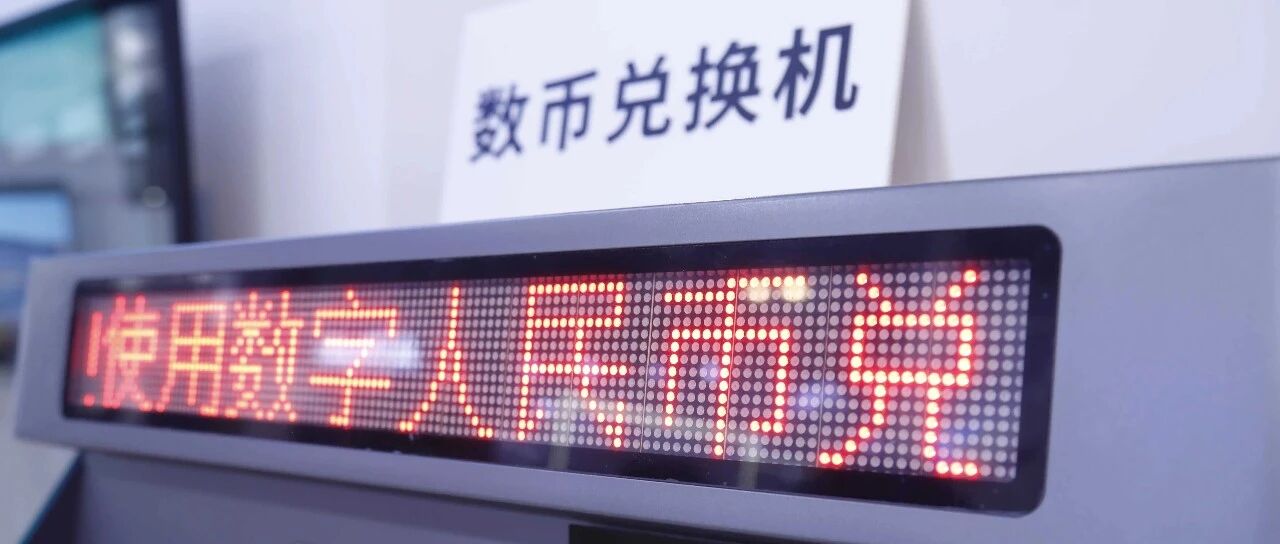
全国首单落地!数字人民币到了新level:让农民工工资秒到账、不截留
Di Yi Cai Jing· 2026-02-10 13:09
Core Insights - The introduction of digital RMB smart contracts for wage payments to migrant workers represents a significant innovation in ensuring timely and full salary disbursement, addressing long-standing issues in traditional payment methods [1][2]. Group 1: Digital RMB Smart Contracts Implementation - The first nationwide implementation of digital RMB smart contracts for migrant worker salary payments occurred in Chengdu, providing a new pathway to solve wage payment challenges in the construction sector [1][2]. - The digital RMB smart contract system allows for automatic salary disbursement, targeted fund allocation, and full traceability, effectively mitigating concerns related to wage payments [2][3]. Group 2: Technological and Collaborative Innovations - The successful application of digital RMB smart contracts in wage payments is attributed to collaborative efforts and technological innovations, with the Bank of Communications facilitating the process through a dedicated digital RMB wallet and smart contract system [2][3]. - The "Anxin Zhu" platform developed by a local company provides accurate business data, enhancing the precision of wage payments and addressing issues such as mismanagement and lack of transparency in traditional payroll systems [3]. Group 3: Broader Applications and Future Prospects - Digital RMB smart contracts have been piloted in various fields beyond wage payments, including prepaid fund management and supply chain finance, with a total of 486,400 contracts signed and a transaction amount of 316 million yuan as of January 2026 [4]. - The smart contracts can automatically execute fund transfers based on predefined conditions, ensuring that funds are used appropriately and reducing the risk of misuse [5][6]. - Future applications of digital RMB smart contracts are expected to expand, with ongoing innovations aimed at enhancing financial services and governance, supported by the establishment of blockchain service platforms [6].

数字人民币再添新场景 保障农民工工资发放
Jin Rong Shi Bao· 2026-02-10 01:28
Core Insights - The implementation of digital RMB for wage payments to migrant workers in Chengdu represents a significant innovation in financial technology aimed at enhancing livelihood security [1][2] - The use of digital RMB smart contracts is designed to ensure timely and accurate wage payments, addressing historical issues of wage delays and disputes among migrant workers [2][3] Group 1: Digital RMB Implementation - The first application of digital RMB for migrant worker wage payments was successfully executed in Chengdu, facilitated by the People's Bank of China and local financial institutions [1][2] - The initiative aims to create a secure and efficient payment system that minimizes the risk of wage misappropriation and enhances transparency in wage distribution [2][3] Group 2: Smart Contract Mechanism - Digital RMB smart contracts automate and enforce payment agreements, preventing human interference and ensuring compliance across different financial institutions [3][4] - The smart contract system allows for precise control over funds, ensuring that wages are disbursed according to predefined agreements without the risk of diversion [3][4] Group 3: Broader Applications of Smart Contracts - Beyond wage payments, digital RMB smart contracts are being tested in various sectors, including prepaid fund management, supply chain finance, and subsidy distribution [6][7] - The technology ensures that prepaid funds remain under the consumer's control until the conditions of the contract are met, thereby protecting consumer interests even in cases of merchant bankruptcy [5][6] Group 4: Future Developments - The digital RMB operation management center plans to expand the application of smart contracts and enhance the underlying service infrastructure to support broader financial inclusion and social governance [8][9] - Ongoing innovations in smart contract applications are expected to improve the efficiency and effectiveness of financial services across multiple sectors [8][9]

首单落地!数字人民币再添新场景
Jin Rong Shi Bao· 2026-02-09 11:59
Core Viewpoint - The implementation of digital RMB smart contracts for wage payments to migrant workers in Chengdu represents a significant innovation in ensuring timely and secure salary disbursement, addressing long-standing issues of wage arrears and payment difficulties in the construction industry [1][3][4]. Group 1: Digital RMB Implementation - The first application of digital RMB for migrant worker salary payments was launched in Chengdu, facilitated by the People's Bank of China and local financial institutions [2]. - The digital RMB wallet allows for immediate salary deposits, enhancing the security and transparency of wage payments compared to traditional methods [1][3]. - The initiative aims to create a "safe employment and smart construction" ecosystem by encouraging the use of digital RMB for salary payments in the construction sector [2]. Group 2: Benefits of Smart Contracts - Digital RMB smart contracts provide a safeguard for migrant workers, ensuring they receive their wages without the risk of misappropriation [3][4]. - The smart contract system automates and enforces payment agreements, preventing human interference and ensuring funds are used as intended [4]. - The first successful salary payment using the digital RMB smart contract amounted to over 1 million yuan, demonstrating its effectiveness in preventing fund misallocation [4]. Group 3: Broader Applications of Digital RMB - Beyond wage payments, digital RMB smart contracts are being piloted in various sectors, including prepaid fund management, supply chain finance, and subsidy distribution [6][8]. - In prepaid fund management, smart contracts ensure that consumer funds remain protected until services are rendered, mitigating risks associated with merchant bankruptcy [6][7]. - The cumulative transaction amount for digital RMB smart contracts reached 316 million yuan, with 486,400 contracts signed across multiple applications [8]. Group 4: Future Developments - The digital RMB operation management center plans to enhance system services and promote innovative applications of smart contracts across industries [11]. - Financial institutions are encouraged to explore new product solutions based on the digital RMB smart contract framework, supporting broader financial inclusion and social governance [11].