数据营销

Search documents
为什么一半的文旅项目都会失败?
Sou Hu Cai Jing· 2026-02-13 01:21
Core Insights - The Chinese cultural tourism industry requires not only marketing strategies but also strategic marketing, which focuses on the fundamental logic of enterprise survival, development, and growth [2] - The industry is entering a new era characterized by the rise of subcultures, mixed consumption, and the importance of emotional engagement in projects [6][12][21] Group 1: Strategic Marketing - Strategic marketing is defined by three core positions: market positioning, product positioning, and brand positioning [2] - Market positioning clarifies product boundaries for optimal resource utilization [2] - Product positioning aims to avoid competition within a one to three-hour travel radius, creating unique competitive advantages [2] - Brand positioning seeks to establish a brand image that transcends the product itself [2] Group 2: New Trends in Cultural Tourism - The industry is witnessing ten new trends that will shape its future direction [3] - The rise of subcultures is seen as a key to revitalizing the cultural tourism sector, moving from mass appeal to niche markets [6] - The long-tail effect of the internet allows niche products to generate significant revenue [7] Group 3: Mixed Consumption - Successful cultural tourism projects integrate various business functions, such as shopping, dining, and entertainment, creating a comprehensive consumer experience [8][11] - The concept of "mixed consumption" is becoming a competitive advantage for cultural tourism projects, as seen in successful cases like Pop Mart and LA COLINA [9][11] Group 4: Emotional Engagement - Emotional engagement is crucial for the success of cultural tourism projects, requiring pre-planned strategies to resonate with local communities and consumers [21] - Projects that evoke strong emotional responses tend to achieve greater success, as demonstrated by various case studies [21] Group 5: Data-Driven Marketing - The future of business in the cultural tourism sector will revolve around data assets, focusing on customer acquisition, service, and engagement [23] - Companies must build platforms and communities to maintain customer loyalty and transform visitors into repeat consumers [23] Group 6: City and Scenic Area Interaction - There is a growing trend of mutual interaction between cities and scenic areas, with cities becoming integral to the cultural tourism experience [25] - Scenic areas are encouraged to embrace urban culture and provide diverse experiences for local residents [25] Group 7: Positioning and Execution - Successful cultural tourism projects must establish clear positioning and utilize entertainment marketing and media strategies to thrive [27] - The key to success lies in unwavering belief, extreme execution, and long-term commitment [27]

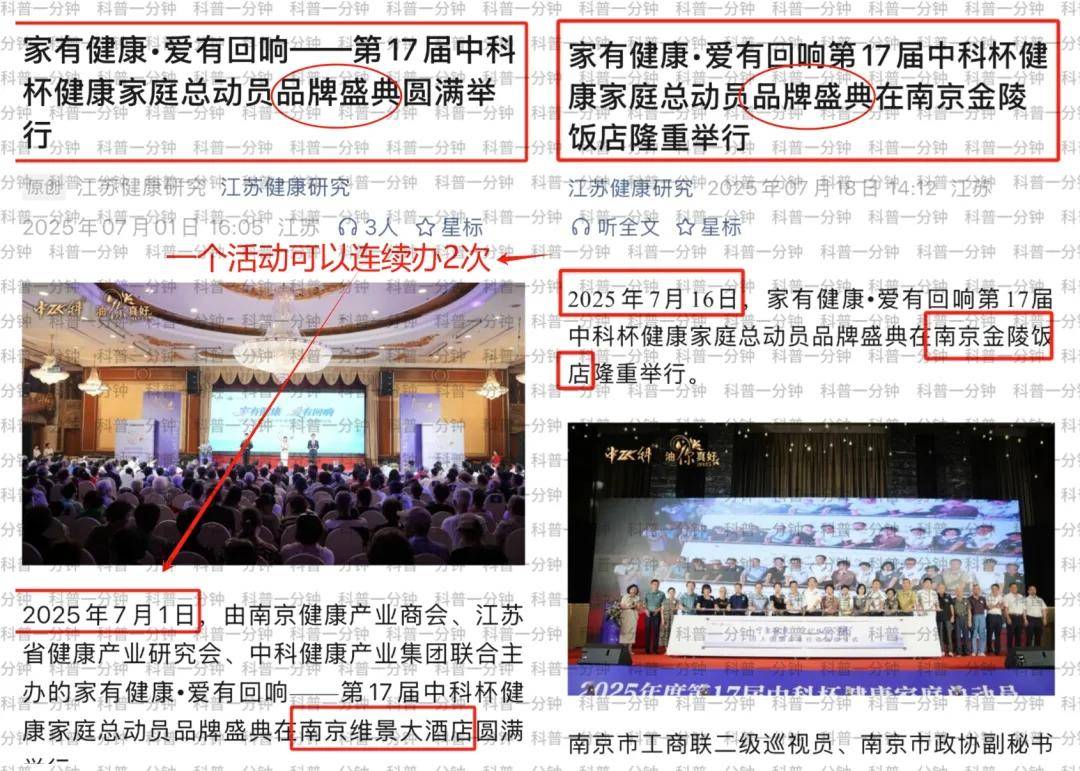
“健康调查”还是隐形营销?一条从数据到高价灵芝孢子油产品的链路
Sou Hu Cai Jing· 2025-08-09 23:14
Core Insights - The core of health product sales lies in acquiring accurate customer data for targeted marketing [1][2] - Traditional marketing methods are losing effectiveness due to strict regulations and efforts to combat fraud against the elderly [1][2] - Some companies are innovating by collaborating with social organizations and hospitals to host large health events to gather customer information [1][5] Group 1: Marketing Strategies - Companies are organizing health activities under the guise of social organizations to enhance credibility and attract participation [2][5] - These activities often involve collecting personal health data under the pretext of scientific research, which raises concerns about their true intentions [5][14] - The use of awards and recognition during these events encourages ongoing participation and data collection, creating a cycle of engagement [9][10] Group 2: Regulatory Environment - The national regulatory body is actively working to protect the elderly from fraudulent health product marketing practices [1][2] - The rise of these new marketing strategies poses challenges for regulators, as they often operate within legal boundaries while still being exploitative [10][14] - Companies that rely on traditional marketing methods face greater risks of regulatory scrutiny compared to those employing these innovative strategies [10][14] Group 3: Consumer Behavior - Consumers are often misled into believing that their participation in these activities contributes to public health, while it primarily serves corporate interests [14] - The emotional appeal and perceived authority of these events can lead consumers to willingly provide personal data and make high-priced purchases [13][14] - There is a need for consumers to remain cautious and rational, especially regarding the sharing of personal health information [14]