
文化供给

Search documents
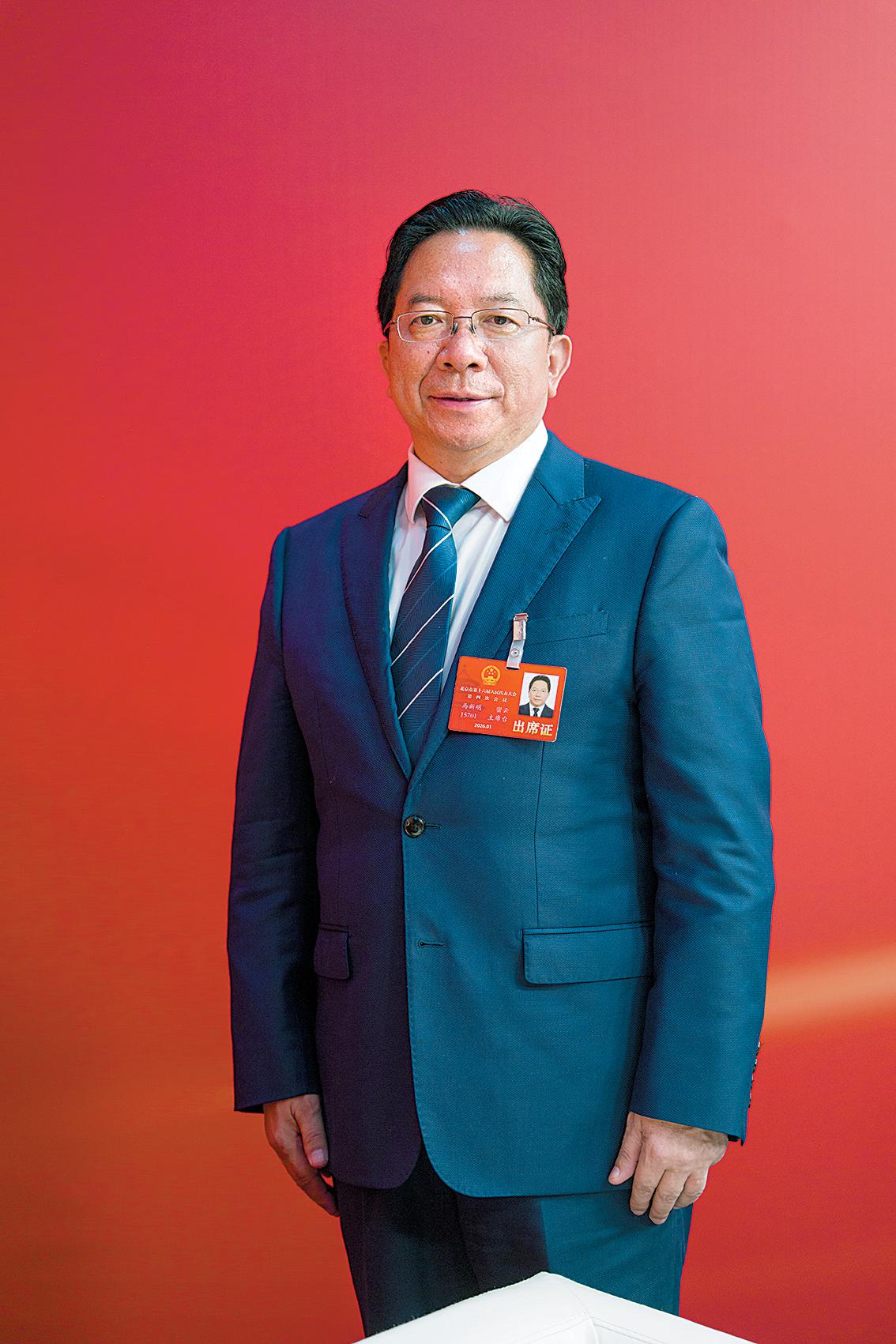
北京市文学艺术界联合会党组书记、常务副主席马新明:京产影视,从高原迈向高峰的文化名片
Xin Lang Cai Jing· 2026-01-29 17:44
Core Viewpoint - In 2025, Beijing's literary and artistic creations achieved their best results in history, with a focus on significant themes such as the 90th anniversary of the Long March and the 100th anniversary of the founding of the army, leading to a series of outstanding films and art exhibitions [1][6]. Group 1: Investment and Support - The Beijing Municipal Federation of Literary and Art Circles invested nearly 30 million yuan to support over 50 incubation projects, enhancing the quality of cultural supply and the influence of the national cultural center [3][4]. - A comprehensive "Great Federation" work pattern was established to gather high-quality literary and artistic resources from across the country and the globe, aiming to produce benchmark works with profound thought and excellent artistry [3][4]. Group 2: Achievements and Recognition - Over the past year, more than 70 works received international and domestic awards, with over 60 works winning municipal-level awards, marking a historic high for Beijing's literary and artistic creations [6][7]. - Beijing's productions excelled in various competitions, with 14 medals at the 15th China Music Golden Bell Awards and significant recognition in dance and visual arts, showcasing the city's cultural prowess [7]. Group 3: Future Projects and Initiatives - Upcoming projects include the highly anticipated TV series "The Great Long March," which is expected to be a major hit, alongside various artistic activities commemorating significant historical events [8][9]. - The Beijing Municipal Federation plans to enhance international cultural exchanges and improve the global influence of events like the Beijing International Literature Week and the Beijing International Youth Drama Festival [11].

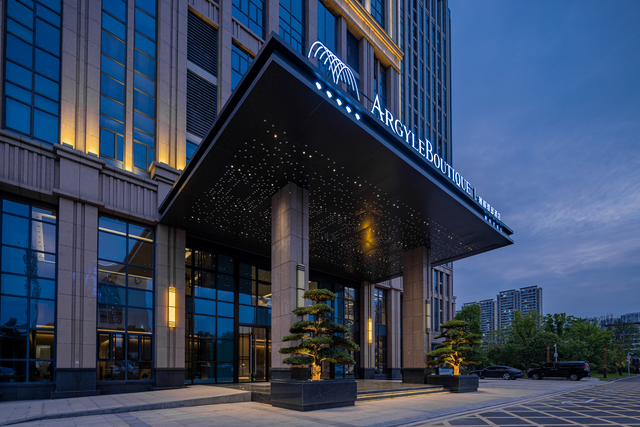
雅阁酒店集团|经纬华中,多元品牌赋能中原文旅新纪元
Xin Lang Cai Jing· 2025-12-19 08:09
Core Viewpoint - The article highlights the strategic development of high-end hotel clusters in Central China by the Accor Hotel Group, emphasizing its commitment to integrating local culture and enhancing regional tourism through a diverse brand portfolio [1][2]. Group 1: Strategic Development - The Accor Hotel Group has positioned Hubei Province as a strategic hub, successfully creating a circular high-end hotel cluster that radiates to surrounding provinces, responding precisely to the characteristics of different destination markets [2][3]. - The opening of the Accor Puxi Hotel in Yichang is a flagship luxury brand that embodies the philosophy of "one hotel, one story," drawing inspiration from the cultural context of the region [2][5]. Group 2: Brand Matrix - The success in the Central China market is attributed to a coordinated operation of a diverse brand matrix, where each brand serves as a unique voice contributing to the overall experience [5][7]. - The Accor Puxi Hotel and Accor Resort focus on cultural storytelling and natural tranquility, respectively, while the Austel hotel series targets the mid-to-high-end market with a vibrant and trendy approach [5][7]. Group 3: Cultural Resonance - The layout in Central China reflects a shift from "scale expansion" to "cultural supply," addressing the contemporary high-end clientele's desire for emotional resonance and meaningful luxury experiences [7][9]. - Accor's ability to activate existing assets and support local cultural tourism upgrades positions it as an ideal partner for local governments and enterprises in enhancing regional tourism competitiveness [7][9]. Group 4: Company Overview - Accor Hotel Group specializes in hotel management and related services, offering management services for hotels and resorts globally, with a portfolio of 13 major hotel brands and a brand value of 1.423 billion [10]. - The group operates in 200 cities and ranks 35th among the top 215 global hotel groups, showcasing its extensive reach and influence in the hospitality industry [10].
构建人与城的文化连接(金台随笔)
Ren Min Ri Bao· 2025-07-31 21:52
Group 1 - The core viewpoint of the articles highlights a shift in young people's travel preferences from traditional sightseeing to immersive experiences that emphasize personal engagement and emotional fulfillment [1][3][4] - The "experience" consumption, represented by cultural and historical venues, is on the rise, indicating a growing trend towards personalized and meaningful travel experiences among the youth [1][2] - Young travelers are increasingly seeking to connect with local culture and history, moving from mere observation to active participation in cultural narratives [3][4] Group 2 - The transformation of public cultural spaces, such as museums and theaters, is essential for enhancing the cultural consumption landscape, which can lead to the development of new cultural products and experiences [4] - Cities are encouraged to integrate cultural elements into their infrastructure to enhance their appeal and foster a deeper connection between people and urban environments [4] - The emphasis on cultural and historical engagement reflects a broader trend of consumption upgrading, where individuals prioritize quality experiences over mere transactions [3][4]