
雅阁酒店

Search documents
雅阁酒店集团|经纬华中,多元品牌赋能中原文旅新纪元
Xin Lang Cai Jing· 2025-12-19 08:09
Core Viewpoint - The article highlights the strategic development of high-end hotel clusters in Central China by the Accor Hotel Group, emphasizing its commitment to integrating local culture and enhancing regional tourism through a diverse brand portfolio [1][2]. Group 1: Strategic Development - The Accor Hotel Group has positioned Hubei Province as a strategic hub, successfully creating a circular high-end hotel cluster that radiates to surrounding provinces, responding precisely to the characteristics of different destination markets [2][3]. - The opening of the Accor Puxi Hotel in Yichang is a flagship luxury brand that embodies the philosophy of "one hotel, one story," drawing inspiration from the cultural context of the region [2][5]. Group 2: Brand Matrix - The success in the Central China market is attributed to a coordinated operation of a diverse brand matrix, where each brand serves as a unique voice contributing to the overall experience [5][7]. - The Accor Puxi Hotel and Accor Resort focus on cultural storytelling and natural tranquility, respectively, while the Austel hotel series targets the mid-to-high-end market with a vibrant and trendy approach [5][7]. Group 3: Cultural Resonance - The layout in Central China reflects a shift from "scale expansion" to "cultural supply," addressing the contemporary high-end clientele's desire for emotional resonance and meaningful luxury experiences [7][9]. - Accor's ability to activate existing assets and support local cultural tourism upgrades positions it as an ideal partner for local governments and enterprises in enhancing regional tourism competitiveness [7][9]. Group 4: Company Overview - Accor Hotel Group specializes in hotel management and related services, offering management services for hotels and resorts globally, with a portfolio of 13 major hotel brands and a brand value of 1.423 billion [10]. - The group operates in 200 cities and ranks 35th among the top 215 global hotel groups, showcasing its extensive reach and influence in the hospitality industry [10].

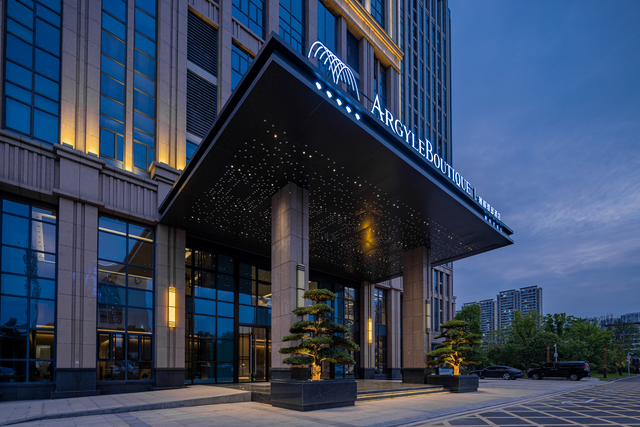
酒店“跑步前进”产业园区!
3 6 Ke· 2025-11-18 02:34
Core Insights - The article discusses the trend of hotel brands, particularly Huazhu's Meilun, entering industrial parks, marking a shift from traditional city center locations to these emerging areas [1][2][8] - The demand for diverse accommodation options in industrial parks is increasing, as businesses require not only short-term stays but also long-term housing solutions for employees [5][7][14] Group 1: Hotel Development in Industrial Parks - Huazhu Group's Meilun brand has opened its largest hotel in Xiamen's Jimei Software Park, featuring 310 rooms and targeting business and conference clientele [1] - The shift in hotel location strategy reflects a broader trend where hotels are moving from city centers to industrial parks, which are seen as new growth areas with potential [2][8] - Other hotel brands, including Qianxi and InterContinental, are also establishing properties in industrial parks, indicating a growing interest in these locations [3][6] Group 2: Changing Accommodation Needs - The demand for "business + conference + activity" accommodations in industrial parks is being recognized by hotel operators, leading to the inclusion of meeting rooms and dining facilities [2][5] - The combination of hotels and serviced apartments is becoming more common, catering to the long-term needs of professionals in industrial parks [5][6] - Local state-owned enterprises and development platforms are also entering the market, promoting standardized accommodation solutions for employees [6][10] Group 3: Investment and Economic Implications - The investment logic for hotels is changing, with industrial park hotels offering stable clientele and lower land costs, making them attractive for major hotel groups and local investors [7][10] - The trend reflects a redistribution of urban dynamics, where hotels are now following businesses rather than just tourist flows [7][8] - Policies at both national and local levels are encouraging the development of living and service facilities in industrial parks, facilitating the entry of hotels and apartments [9][10] Group 4: Future Outlook - The future of hotels may lie in industrial parks rather than traditional urban centers, as the boundaries between work, life, and leisure continue to blur [11][14] - Hotels in industrial parks are expected to become integral parts of the local ecosystem, serving not just as accommodation but also as cultural and community hubs [12][14] - The concept of "park-customized hotels" is gaining traction, offering both operational returns and cultural value, which could enhance the brand image of the parks [14]
