
文化赋能营商环境

Search documents
以文化软实力激活营商新动能
Xin Lang Cai Jing· 2026-02-08 17:26
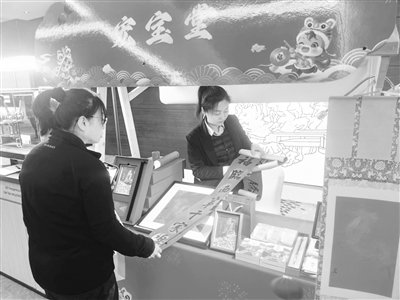
Core Viewpoint - The article emphasizes the integration of cultural resources with business services in Xicheng District's Chunshe Street, aiming to enhance the regional business environment and promote enterprise development through cultural activities [3][4]. Group 1: Cultural Integration and Business Services - Chunshe Street has adopted the philosophy that "serving enterprises is serving development," focusing on the integration of cultural resources to provide tailored cultural activities for businesses [3][4]. - The "Calligraphy Culture into Enterprises" event was launched, where calligraphers created Spring Festival couplets and characters, enhancing employee engagement and cultural appreciation [4]. - A "New Year Blessing Activity" was held, where traditional calligraphy was shared with community workers, fostering connections between enterprises and the community [4]. Group 2: Cultural and Commercial Collaboration - The street is actively merging cultural, commercial, and tourism resources, exploring cross-industry cooperation with well-known brands to create unique cultural tourism packages [5]. - During visits from foreign delegations, cultural markets were organized to showcase traditional crafts and enhance international cultural exchanges [6]. Group 3: Sustainable Cultural Empowerment - Chunshe Street focuses on establishing long-term mechanisms for cultural activities, inviting over 20 local enterprises to participate in events that significantly boost their revenue and local consumption [6]. - The street has implemented various cultural and sports events to enhance community engagement and brand visibility for local businesses [6]. - Future plans include transitioning cultural initiatives from one-time events to ongoing programs, aiming for a sustainable cultural service system that benefits both enterprises and the community [7].

人文环境也是营商环境
Ren Min Ri Bao· 2025-11-04 06:45
Group 1 - The article emphasizes the role of cultural institutions, such as museums, in enhancing the business environment and attracting investment, highlighting that a well-managed museum often correlates with a favorable business climate [1] - The success of cultural initiatives in regions like Suzhou and the Suzhou Industrial Park illustrates how cultural heritage and values can attract foreign investment and foster economic development [1] - High-quality cultural products and services not only enrich people's spiritual lives but also stimulate economic growth and development potential [1] Group 2 - Cultural empowerment is essential for creating a conducive business environment, as seen in the innovation cluster of Shenzhen-Hong Kong-Guangzhou, which ranks first globally due to its diverse and inclusive cultural traits [2] - The historical and cultural foundations in places like Ningbo contribute significantly to the development of leading manufacturing enterprises, showcasing the importance of cultural heritage in economic success [2] - Long-term cultural development is necessary for sustainable business environments, as short-sighted policies can lead to resource misallocation and deter investment [2] Group 3 - A healthy business environment is likened to an ecosystem that requires systematic thinking, integrating visible improvements with less tangible cultural enhancements [3] - The recent policies in Shanghai, such as the new administrative penalty list and affordable housing initiatives, demonstrate a comprehensive approach to improving the business environment and enhancing quality of life for residents [3] - The focus on cultural empowerment in the 14th Five-Year Plan indicates a shift towards valuing cultural and ecological aspects in business environment optimization, emphasizing the need for targeted and systematic measures [3]