文字创作

Search documents
半佛怕爆款,三表拒AI,冰汝谢川普
乱翻书· 2026-01-05 14:18
Core Viewpoint - The article discusses the challenges and philosophies of content creators in the age of short videos and AI, highlighting the tension between traditional text-based content and emerging technologies [1][3]. Group 1: Creator Perspectives - Half Buddha expresses fear of viral content, viewing influence as a double-edged sword that can lead to backlash [3]. - Wang Bingru attributes her success to the continuous news cycle surrounding Trump, which provides her with a steady stream of content [3]. - Sanbiao Longmen's approach is to keep his content within 1500 words, valuing the human touch over AI-generated perfection [3]. Group 2: The Role of Text in Content Creation - The significance of text in content creation is emphasized, with creators reflecting on their journeys starting from written articles to various media formats [8][10]. - Wang Bingru shares a personal story about her first impactful article, which highlights the importance of storytelling in text [12]. - Half Buddha believes all forms of content ultimately stem from text, regardless of the medium [10]. Group 3: Anxiety Over Viral Content - The anxiety surrounding the creation of viral content is discussed, with creators acknowledging the unpredictability of achieving "explosive" success [15][16]. - Wang Bingru admits to initially being obsessed with metrics but has since adopted a more balanced perspective on content creation [17]. - Half Buddha warns that the pursuit of influence can lead to significant risks, as seen in the experiences of public figures [17]. Group 4: AI's Impact on Content Creation - The creators share their views on AI, with Wang Bingru using it as a tool for error-checking and brainstorming [31]. - Half Buddha sees AI as a powerful search engine but emphasizes that it cannot replace the creative process [32]. - Sanbiao Longmen intentionally avoids using AI to maintain a human touch in his writing [36]. Group 5: Future of Text-Based Content - The discussion reflects on the evolving landscape of content creation, with AI becoming a mainstream trend among creators [48]. - Wang Bingru anticipates a busy year ahead with significant events that will drive her content [54]. - Half Buddha maintains that the essence of content remains rooted in text, regardless of the medium [54].


留在纸上的心
Xin Lang Cai Jing· 2025-12-31 21:06
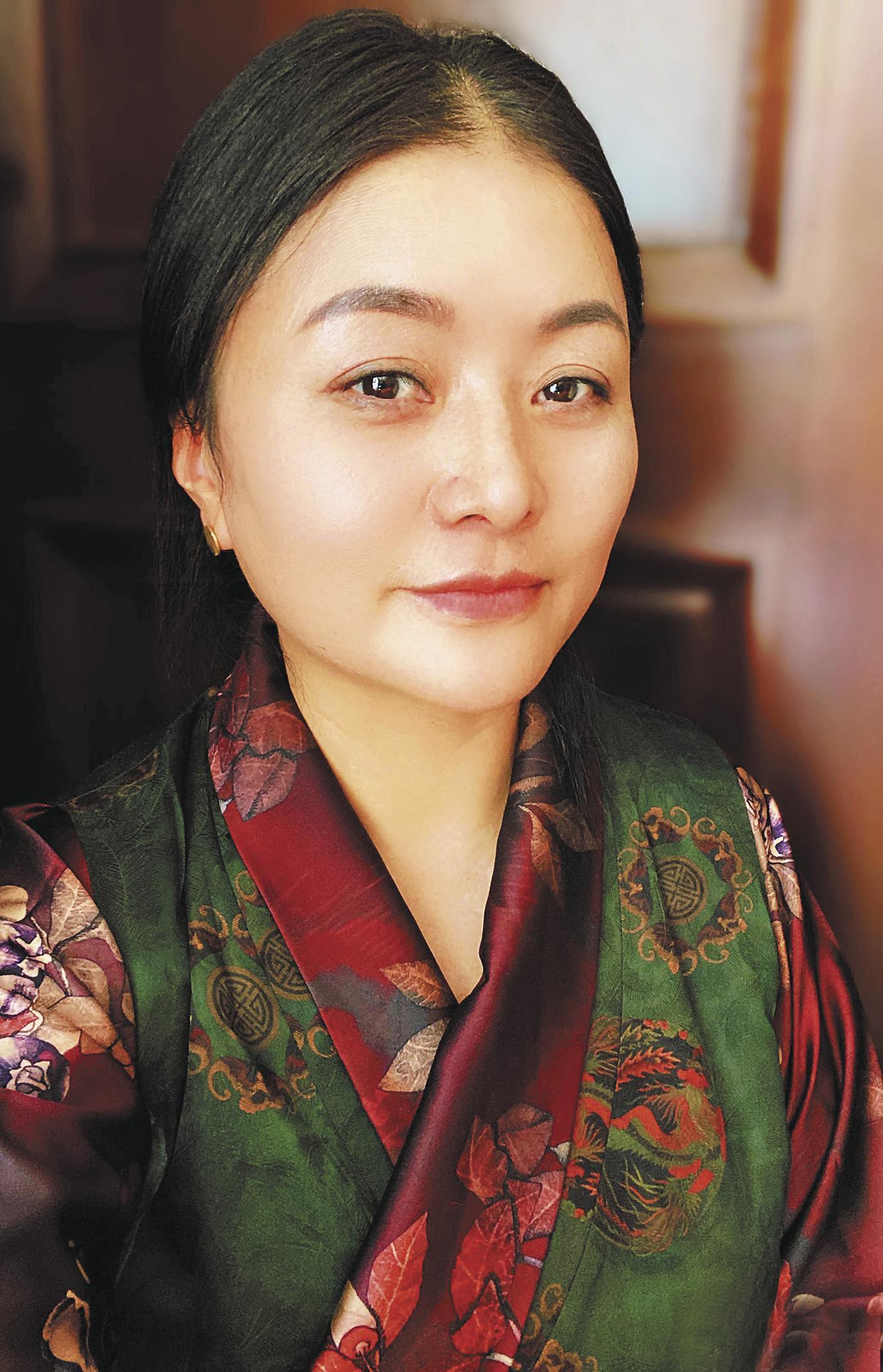
Core Viewpoint - The article discusses the poetry collection "Leave the Heart on Paper" by the author Nasa, highlighting its themes, structure, and the author's creative journey [4][5]. Group 1: Poetry Collection Overview - The poetry collection includes 203 poems created over seven years, focusing on the cultural and natural aspects of the Qinghai-Tibet Plateau, capturing fragments of daily life and deeper spiritual dimensions [4]. - The book is structured around six sensory dimensions: seeing, hearing, smelling, tasting, touching, and feeling, creating a multi-dimensional poetic space [4]. Group 2: Awards and Recognition - The collection was published in 2023 and has received several awards, including the 13th National Ethnic Literature Creation Award and the first Sanjiangyuan Literary Award in Yushu Prefecture [4]. Group 3: Author's Creative Process - The author emphasizes that the writing journey is not defined by a linear improvement but by a growing self-awareness and exploration amidst uncertainties [5]. - The creative process can vary significantly, with inspiration sometimes striking quickly, while at other times, it requires prolonged contemplation to find the right words [5]. Group 4: Writing Philosophy - The author views poetry as a medium for dialogue with the world and self-reflection, rather than merely a narrative tool or logical guide [5][7]. - The writing is characterized by a "slow" approach, allowing for deeper thoughts and reflections, which contributes to the richness of the creative output [7]. Group 5: Future Aspirations - The author intends to continue focusing on poetry while also exploring novel writing to depict a broader range of human experiences [7].