文明养宠

Search documents
59岁男子为泄愤在小区投毒,“几小时一只,多只小狗接连暴毙”!一审宣判
Xin Lang Cai Jing· 2026-02-07 14:37
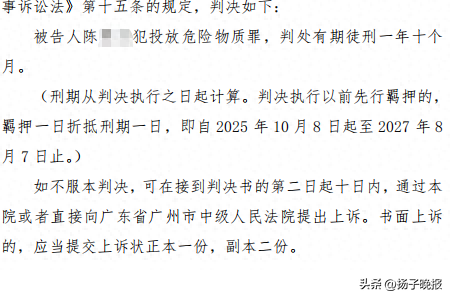
Core Viewpoint - A 59-year-old man, Chen Mouwen, was sentenced to 1 year and 10 months in prison for poisoning multiple pet dogs in a residential area by placing rat poison mixed with meat [11][12]. Group 1: Incident Details - On February 5, the court heard a case where Chen Mouwen was accused of poisoning dogs in a community, leading to the death of several pets [1][10]. - The incident involved at least three confirmed cases of dog poisoning, with reports indicating that more dogs may have been affected, but some owners disposed of their pets' bodies without testing for toxins [3][10]. - The poison used was identified as fluoroacetamide, a highly toxic substance banned in China for production, sale, and use [10]. Group 2: Court Proceedings - The court found Chen guilty of "placing dangerous substances" and sentenced him to 1 year and 10 months in prison, taking into account his confession and cooperation with authorities [11][12]. - During the trial, only one of the three pet owners expressed forgiveness towards Chen, while the others demanded severe punishment [12]. - The prosecution argued that Chen's actions endangered public safety but did not result in severe consequences, which influenced the sentencing [11][12]. Group 3: Legislative Context - The case highlights ongoing issues with pet ownership and public safety, prompting discussions about the need for stricter regulations on pet ownership and responsible behavior among pet owners [13]. - A new amendment to the Public Security Administration Punishment Law, effective January 1, 2026, aims to regulate pet ownership more strictly, addressing issues of pet disturbances and dangerous animals [13][17].

文明养宠“不掉链”
Xin Lang Cai Jing· 2026-01-21 07:09
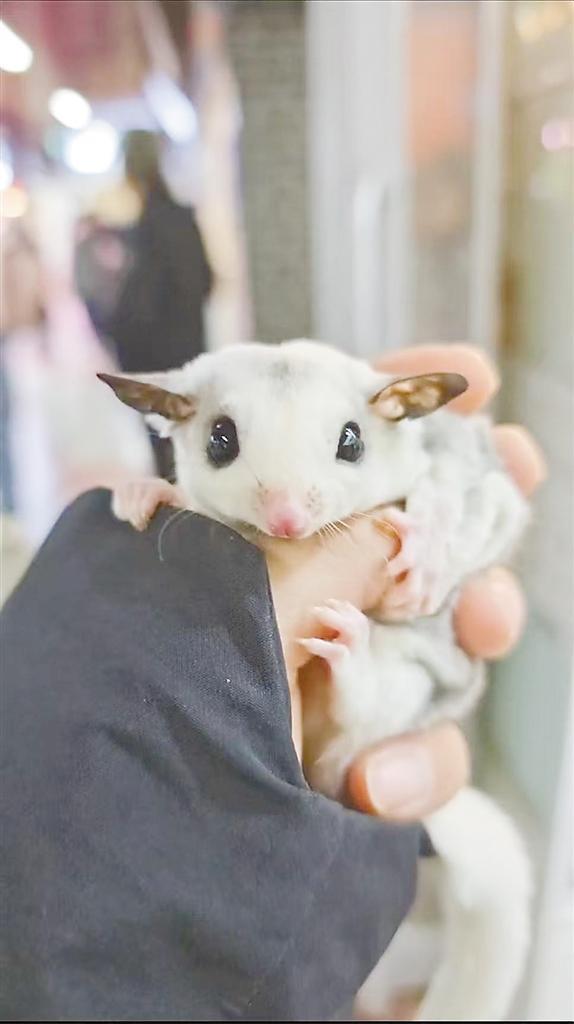
Core Viewpoint - The article emphasizes the growing trend of pet ownership and the importance of responsible pet care in creating a harmonious urban environment as more people, especially younger generations, adopt multiple pets to fulfill their emotional needs [4][5]. Group 1: Pet Ownership Trends - The phenomenon of "multi-pet" ownership is on the rise, particularly among younger generations, as they seek diverse emotional connections through various types of pets [5][6]. - Pets are increasingly viewed as family members, with individuals willing to invest in their care and well-being, reflecting a shift in societal attitudes towards pet ownership [7][8]. Group 2: Economic Impact of Pet Care - The pet economy is thriving, driven by diverse consumer demands for pet-related products and services, including food, health supplements, and accessories [7][8]. - The willingness of pet owners to spend on their pets is evident, with a variety of products available online catering to different needs, thus stimulating economic growth in the pet industry [7][8]. Group 3: Responsible Pet Care - The article highlights the significance of responsible pet ownership, including proper training, health checks, and adherence to legal responsibilities, to prevent ecological damage and ensure the well-being of pets [6][8]. - Community initiatives and educational programs are being implemented to promote civilized pet ownership practices, emphasizing the importance of cleaning up after pets and following local regulations [8][9].
助力杭州宠物经济更好发展
Mei Ri Shang Bao· 2026-01-11 22:30
Group 1 - The establishment of the Hangzhou Zheli Pet Economy Research Institute marks a significant step in the exploration of the pet economy in Hangzhou, which is set to become a key player in the industry by 2025 [1] - Zhejiang Province has prioritized the development of the pet economy since 2024, with the provincial agricultural and rural affairs department leading the formulation of relevant promotion opinions [1] - Hangzhou has over 20,000 pet-related businesses, including several listed companies like Tianyuan Pet and Petty Animal Nutrition, creating a robust industrial ecosystem [1] Group 2 - The research institute aims to provide intellectual support for government decision-making, facilitate innovation for enterprises, and promote civilized pet ownership [2] - A pet service professional committee was established in collaboration with the Zhejiang Service Industry Association to enhance resource integration [2] - The institute plans to invest 50 million yuan to develop pet super products and provide digital empowerment services for pet enterprises, addressing key concerns such as traffic, branding, and digital transformation [2]
德惠法院:遗弃宠物伤人 谁买单?
Xin Lang Cai Jing· 2026-01-05 08:24
Core Viewpoint - The case highlights the legal responsibilities of pet owners and property management companies regarding stray animals and the injuries they may cause to individuals [1][4]. Group 1: Incident Overview - A person named Fu was bitten by a stray dog while on the way to work, incurring medical expenses amounting to several thousand yuan [1]. - The stray dog was abandoned by its owner, Xiong, and the property management company was aware of the dog's previous attacks but failed to take preventive measures [1]. Group 2: Legal Responsibilities - Both the original owner (Xiong) and the property management company are liable for the injuries caused by the stray dog [2][3]. - The original owner is responsible for damages caused by abandoned animals, and property management companies must ensure safety in public areas [3][4]. - If a stray animal is under the actual control of someone (e.g., being cared for), that person may also bear responsibility [3]. Group 3: Legal Framework - According to Article 1249 of the Civil Code of the People's Republic of China, the original owner or manager of an abandoned animal is liable for damages caused during the period of abandonment [4]. - Pet ownership is a personal choice, but owners have a legal obligation to manage their pets responsibly and cannot abandon them [4]. - Property management companies must promptly address safety hazards related to stray animals and take necessary actions to mitigate risks [4].
本月起,这些行为最高拘留10天罚1000元!
Xin Lang Cai Jing· 2026-01-03 10:00
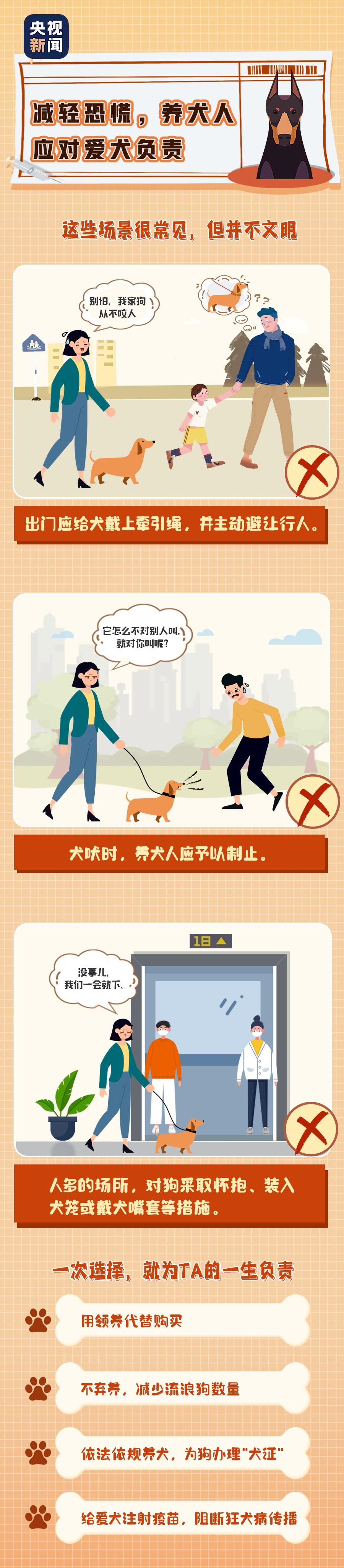
Core Viewpoint - The newly revised "Public Security Administration Punishment Law of the People's Republic of China" will officially implement on January 1, 2026, introducing strict regulations on pet ownership, emphasizing that it is now a matter of public safety rather than a private issue [1]. Summary by Sections Regulations on Pet Ownership - The law addresses issues of pet ownership that disturb public order, with penalties ranging from warnings to fines of up to 1,000 yuan for those who disrupt others' normal lives [1]. - For those who drive animals to harm others, penalties include detention of 5 to 10 days and fines between 500 to 1,000 yuan, with lighter cases facing detention of up to 5 days or fines below 1,000 yuan [2]. New Violations Added - The revised law introduces two new categories of violations related to dangerous animals: 1. Violating regulations by selling or keeping dangerous animals, with penalties including warnings and potential detention of up to 10 days for serious cases [2]. 2. Failing to take safety measures that result in animal harm, leading to fines of up to 1,000 yuan or detention of 5 to 10 days for serious cases [2]. Public Awareness and Responsibilities - The law aims to promote civilized pet ownership, urging pet owners to take responsibility for their animals and adhere to regulations to foster a harmonious community [1][2].
走进新时代文明实践阵地系列|聚力宝山,“活”起来的文明实践
Xin Lang Cai Jing· 2025-09-22 08:53
Core Viewpoint - The article highlights the vibrant practices of the New Era Civilization in Baoshan District, Shanghai, showcasing various community-driven initiatives that integrate cultural, educational, and social elements to enhance civic engagement and promote a sense of community [1][11]. Group 1: Community Initiatives - The Baoshan District has established a series of themed New Era Civilization practice routes focusing on patriotism, volunteer service, science education, rural revitalization, leisure fitness, and cultural refinement [1][11]. - The "City Cat Island" serves as a model for community governance, providing a home for over 400 stray cats while also functioning as an educational base for responsible pet ownership [3][5]. - The volunteer team at the City Cat Island consists of over 8,000 members, extending its reach beyond Shanghai to the Yangtze River Delta region, demonstrating significant social mobilization [5][11]. Group 2: Cultural and Educational Venues - The Shanghai Bano Chocolate Museum combines industry and culture, transforming the journey of cocoa beans into an interactive educational experience [6][8]. - The museum has attracted 206,000 visitors since its opening in January 2024, with 70% being individual visitors, primarily families with children aged 3 to 16 [8]. - The "Cloud Wild Flower Cottage," a rural café in Shenyang Village, represents a successful transformation of an abandoned warehouse into a vibrant community space, attracting over a thousand visitors daily shortly after its opening [10][11]. Group 3: Infrastructure and Network - Baoshan District has developed a three-tiered civilization practice network consisting of one district-level center, 12 sub-centers, and 574 community stations, making civic engagement accessible [11][13]. - The district emphasizes the integration of historical cultural elements and collaboration with enterprises to enhance the effectiveness of its civilization practice initiatives [13][14]. - The overall approach aims to create a holistic ecosystem where community practices flourish, reflecting a commitment to enhancing the quality of life and fostering a sense of belonging among residents [11][14].