文明出行

Search documents
“明天到达南京 已收到贴心短信” 南京交管部门贴心喊话来宁游客
Xin Lang Cai Jing· 2026-02-19 07:38
Core Insights - The article highlights the significant increase in tourist traffic in Nanjing during the Spring Festival, with a reported 8.9% year-on-year rise in visitor numbers, and over 52.4% of visitors being from outside the city [1] Group 1: Tourist Traffic and Attractions - On February 17, Nanjing received a total of 40 million visitors, with popular attractions including the Confucius Temple-Qinhuai Scenic Area, Zhongshan Scenic Area, Xuanwu Lake, Hongshan Forest Zoo, and the Presidential Palace [1] - The Confucius Temple-Qinhuai Scenic Area saw a substantial increase in visitor numbers, with over 200 tour groups making reservations daily [1] Group 2: Transportation and Parking - The G1 bus line experienced a nearly 100% increase in passenger flow on February 17, with 27,000 passengers on February 18, as the public transport system efficiently managed the influx of tourists [1] - The implementation of smart parking QR codes allowed visitors to easily navigate to shared parking lots, with parking space usage rising from approximately 55% to nearly 80% between February 17 and 18 [2] Group 3: Safety and Traffic Management - The article notes a significant reduction in traffic congestion and illegal parking around tourist areas, with a decrease of over 87% in related complaints and a 90% drop in related incidents [2] - Authorities encourage the use of public transportation and advance navigation settings to ensure safe and efficient travel during the holiday period [2]
列车上的宠物蜥蜴“爬”过了法律边界
Bei Jing Qing Nian Bao· 2026-02-18 06:14
Core Viewpoint - The incident of a pet lizard being smuggled onto a high-speed train highlights gaps in railway safety management and the need for improved compliance with regulations by passengers [1][2][3] Group 1: Incident Details - A pet lizard was found in a high-speed train carriage, confirmed by the Jinan Passenger Transport Section, which stated that it was brought on board by a passenger without permission [1] - The lizard's presence caused unease among passengers and disrupted the order of railway operations, revealing a lack of awareness of rules among some travelers [1] Group 2: Legal Implications - Carrying a pet lizard on the train violates the Railway Safety Management Regulations, which prohibit actions that disrupt normal railway operations [2] - The regulations specify that only guide dogs and certain seafood can be carried, while all other live animals are prohibited, making the act of smuggling a pet lizard a clear violation [2] Group 3: Recommendations for Improvement - The railway department should enhance security checks and promote proper pet transportation channels to prevent similar incidents in the future [3] - Passengers are encouraged to adhere to regulations regarding pet transport to maintain order and safety within train carriages [3]
手绘漫评:带上文明的“行囊”,踏上平安顺心的旅途
Xin Lang Cai Jing· 2026-02-10 11:50
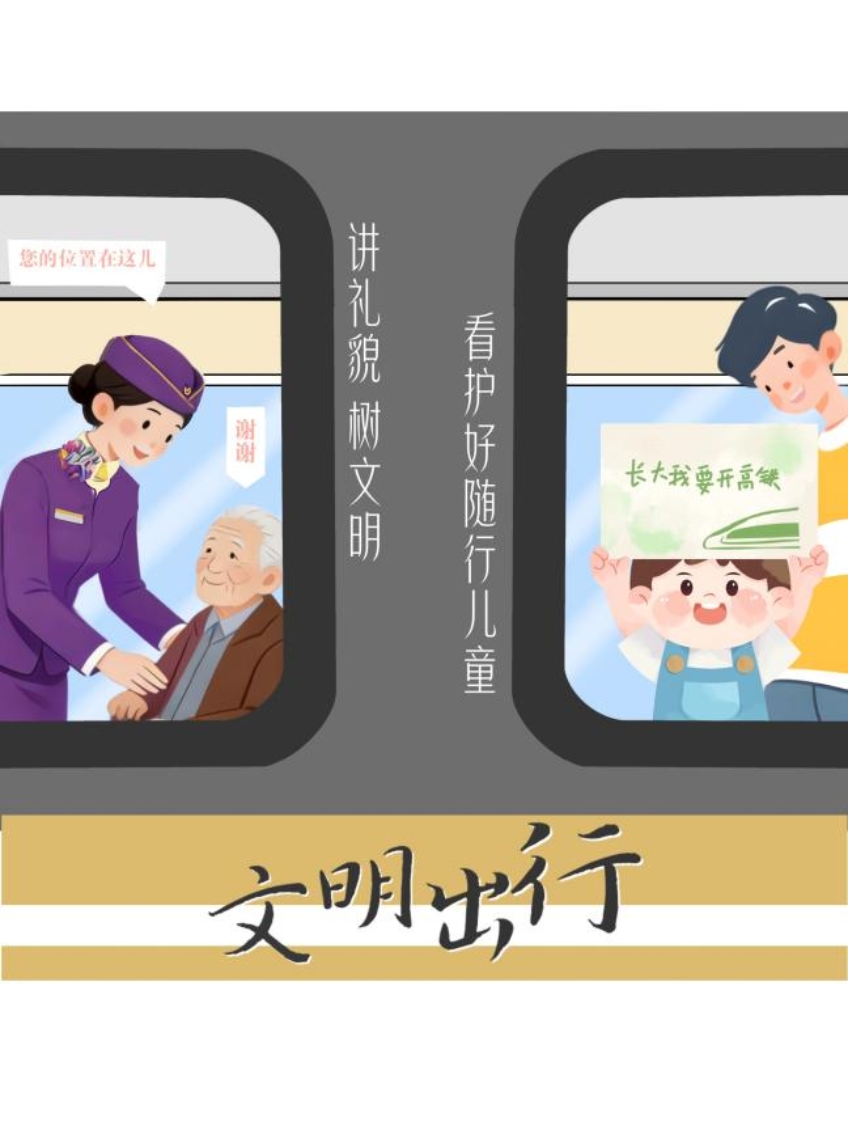
Group 1 - The core viewpoint of the article highlights the transformation of the Spring Festival travel experience in China, reflecting advancements in transportation and service upgrades, as well as the social civilization aspect of the journey [2] - During this year's Spring Festival travel period, the total inter-regional flow of people is expected to reach 9.5 billion trips, setting a new historical record [4] - The article emphasizes the importance of civil behavior during travel, such as adhering to seating arrangements on high-speed trains, following traffic rules while driving, and maintaining order during boarding [6] Group 2 - The article suggests that every individual's actions during the Spring Festival travel reflect the overall quality of the nation, encouraging travelers to carry a "civilized baggage" and act with civility [8]

静音车厢上哪找?静音约定咋遵守?其他车厢怎么办?一文解答
Ren Min Ri Bao· 2026-01-28 02:13
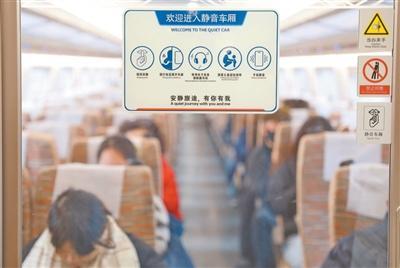
Core Viewpoint - The introduction of "quiet carriages" on trains aims to enhance passenger experience by providing a quieter travel environment through measures such as reduced audio volume and promoting quiet behavior among travelers [2][3][10] Group 1: Service Implementation - Starting February 1, over 8,000 high-speed trains will offer quiet carriage services, covering major routes and passenger corridors across the national high-speed rail network [3] - G-series trains are nearly fully covered by quiet carriages, while D-series trains have about 80% coverage, excluding sleeper and certain other types [3] - Quiet carriages are typically located at the front or rear of the train and are designated as second-class seating [3][4] Group 2: Passenger Guidelines - Passengers wishing to use quiet carriages can select trains marked with a "quiet" label and opt for priority seating in these carriages during ticket purchase [4] - The quiet carriage rules include maintaining silence, keeping electronic devices on silent or vibrate, and moving to other areas for phone calls [6][7] Group 3: Enforcement and Compliance - Train staff will actively remind and guide passengers to adhere to quiet rules, using visual aids and gentle interventions [7] - In cases of persistent noise, staff may assist in relocating disruptive passengers to non-quiet carriages [7] Group 4: General Conduct in Other Carriages - All passengers are encouraged to maintain a civilized and quiet environment in all carriages, not just the quiet ones [8] - The railway department continues to enhance service levels to meet diverse passenger needs, including creating spaces for children in certain trains [8][9]
2月起拓展静音车厢服务范围 乘坐时需注意什么?
Ren Min Ri Bao· 2026-01-28 00:40
Core Viewpoint - The introduction of quiet carriages on trains aims to enhance passenger experience by providing a quieter travel environment through various measures, including reduced audio levels and promoting quiet behavior among passengers [1][2][4]. Group 1: Quiet Carriage Implementation - Starting February 1, over 8,000 high-speed trains will offer quiet carriage services, covering major routes across the national high-speed rail network [2]. - G-series trains are nearly fully covered with quiet carriages, while D-series trains have about 80% coverage, excluding sleeper and certain types of trains [2]. - Quiet carriages are typically located at the front or rear of the train and are designated as second-class seating [2][3]. Group 2: Passenger Guidelines - Passengers wishing to use quiet carriages can select trains marked with a "quiet" label and opt for priority seating in these carriages during ticket purchase [3]. - The quiet carriage rules include maintaining silence, keeping electronic devices on silent or vibrate, and moving to other areas for phone calls [5][6]. Group 3: Enforcement and Compliance - Train staff will actively remind passengers to adhere to quiet rules, using visual aids and gentle reminders to maintain a quiet atmosphere [4][6]. - In cases of non-compliance, staff may assist passengers in relocating to non-quiet carriages if necessary [6]. Group 4: General Conduct in All Carriages - The railway department encourages all passengers, regardless of carriage type, to maintain a civilized and quiet environment [7]. - Other carriages will also have measures in place to promote quietness, such as announcements and staff monitoring [7]. Group 5: Additional Services - The railway is exploring additional services, such as "play areas" for children, to cater to diverse passenger needs and enhance overall travel experience [8].
乘坐静音车厢,有啥注意事项?(深阅读)
Ren Min Ri Bao· 2026-01-28 00:32
Core Viewpoint - The introduction of "quiet carriages" on trains aims to enhance passenger experience by providing a quieter travel environment, addressing the diverse needs of travelers [2][3][11] Group 1: Quiet Carriage Implementation - Starting February 1, over 8,000 high-speed trains will offer quiet carriage services, covering major routes and passenger corridors across the national high-speed rail network [3] - G-series trains are nearly fully covered by quiet carriages, while D-series trains have about 80% coverage, excluding sleeper and certain types of trains [3] - Quiet carriages are typically located at the front or rear of the train and are designated as second-class seating [3][4] Group 2: Passenger Guidelines and Compliance - Passengers wishing to use quiet carriages can select trains marked with a "quiet" label and request priority seating in these carriages [4] - Guidelines for maintaining silence include keeping electronic devices on silent, avoiding loud conversations, and supervising children to prevent noise [7][8] - Train staff will actively monitor compliance and remind passengers of the quiet rules, using visual aids to guide behavior [8] Group 3: General Conduct in Other Carriages - All passengers are encouraged to maintain a civilized and quiet environment in all carriages, not just the quiet ones [9] - The railway department promotes awareness through announcements and staff monitoring to minimize noise across all carriages [9] - Initiatives like the "play area" for children in certain trains aim to cater to family needs while maintaining a peaceful atmosphere [10]
乘坐静音车厢,有啥注意事项?
Xin Lang Cai Jing· 2026-01-28 00:15
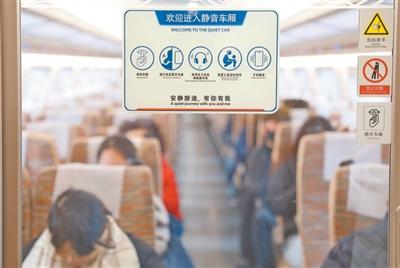
Core Viewpoint - The introduction of "quiet carriages" on trains aims to enhance passenger experience by providing a quieter travel environment through specific measures and guidelines [1][2][3]. Group 1: Quiet Carriage Implementation - Starting from February 1, over 8,000 high-speed trains will offer quiet carriage services, covering major routes and passenger corridors across the national high-speed rail network [2]. - G-series trains are nearly fully covered by quiet carriages, while D-series trains have about 80% coverage, excluding sleeper and certain types of trains [2]. - Quiet carriages are typically located at the front or rear of the train and are designated as second-class seating [2][3]. Group 2: Passenger Guidelines and Enforcement - Passengers wishing to use quiet carriages can select trains marked with a "quiet" label and opt for a seat in the quiet carriage during ticket purchase [3]. - To maintain a quiet environment, measures include lowering audio volume, closing entertainment systems, and providing reading materials [4][5]. - Passengers are expected to adhere to quiet agreements, which include keeping noise to a minimum, using headphones, and supervising children to prevent disturbances [5]. Group 3: General Conduct in Other Carriages - All passengers are encouraged to maintain a civilized and quiet atmosphere in all carriages, not just the quiet ones [6]. - The railway department promotes awareness through announcements and staff monitoring to minimize noise in non-quiet carriages [6]. - Additional services, such as "play areas" for children, are being developed to cater to diverse passenger needs while maintaining a comfortable environment [6][7].
2月1日起,提供服务的动车组将超8000列 乘坐静音车厢,有啥注意事项?(深阅读)
Ren Min Ri Bao· 2026-01-27 22:25
Core Viewpoint - The introduction of "quiet carriages" on trains aims to enhance passenger experience by providing a quieter travel environment, addressing the diverse needs of travelers [1][2]. Group 1: Quiet Carriage Implementation - The quiet carriage service will be available on over 8,000 high-speed trains starting February 1, covering major routes and passenger corridors across the country [2]. - G-series trains are nearly fully covered by the quiet carriage service, while D-series trains have about 80% coverage, excluding sleeper and concentrated power trains [2]. - Quiet carriages are typically located at the front or rear of the train and are designated as second-class carriages [2][3]. Group 2: Passenger Guidelines and Enforcement - Passengers wishing to use the quiet carriage must select the "quiet" option when purchasing tickets, and no standing tickets will be sold for these carriages [3]. - To maintain a quiet environment, the train staff will implement various measures, including lowering audio volume and providing visual reminders [4]. - Passengers are expected to adhere to specific quiet agreements, such as keeping noise to a minimum and using headphones for electronic devices [5]. Group 3: General Conduct in Other Carriages - All passengers are encouraged to maintain a civilized and quiet environment in all carriages, not just the quiet ones [6]. - The railway department will continue to promote quiet behavior through announcements and staff monitoring in non-quiet carriages [6]. - Additional services, such as "play areas" for children, are being introduced to cater to specific passenger needs while maintaining overall comfort [6][7]. Group 4: Future Developments - The railway department will monitor the effectiveness and social response to the quiet carriage service and make adjustments as necessary to improve passenger experience [7].
“上车后请往车厢中部走”
Hang Zhou Ri Bao· 2025-11-25 02:36
Core Points - The "Civilized Riding Day" of Hangzhou Metro celebrates its 10th anniversary, promoting the initiative of "boarding from the inside, being courteous" [1] - The campaign aims to alleviate congestion at train doors during peak hours by encouraging long-distance passengers to move towards the middle of the carriage [1] - A series of immersive activities and feedback collection points are set up at major stations to engage passengers and promote civilized behavior [1] Group 1 - The Hangzhou Metro has implemented a "Civilized Riding Four Steps" initiative, which includes queuing, moving bags forward, and maintaining silence while traveling [1] - The event features a themed art exhibition titled "Childlike Heart Paints Civilized Metro Accompanying Me," showcasing over 600 submissions from children depicting scenes of courteous behavior [2] - The "Rainbow Classroom" has been launched, where metro staff educate passengers on security checks and waiting etiquette through interactive games [2] Group 2 - The Hangzhou Metro Group emphasizes its role as a window to urban civilization, continuously promoting civilized behavior since the first initiative in 2015 [2]
解密文三路沿线非机动车道“样板路口”
Hang Zhou Ri Bao· 2025-11-04 03:32
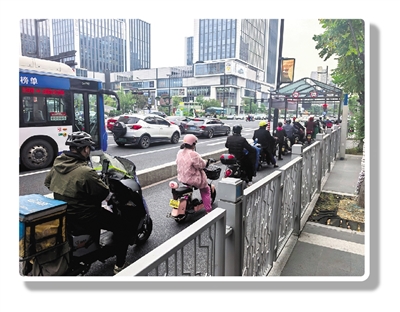
Core Viewpoint - The article highlights the increasing prevalence of orderly queuing and yielding behavior among non-motorized vehicles at key intersections in Hangzhou, particularly along Wensan Road, indicating a growing culture of traffic civility in the city [4][11]. Group 1: Observations of Traffic Behavior - At the Wensan Road-Teaching Staff Road intersection, a structured queuing system for non-motorized vehicles has emerged, with an average of 10-12 vehicles lining up during red lights, and a maximum of 16 observed [6][7]. - The Wensan Road-Academy Road intersection also shows a high level of compliance with queuing, despite a higher volume of left-turning vehicles due to increased commuter traffic [7]. - Even during less busy times, drivers consistently form orderly lines, demonstrating that this behavior has become a habit among road users [7][10]. Group 2: Factors Contributing to Civil Behavior - Long-term residents attribute the orderly behavior to the stable commuting population in the area, which fosters a sense of community and mutual respect among regular users [8][9]. - The presence of traffic management personnel during peak hours has been noted as a contributing factor to maintaining order and reducing violations such as running red lights [9]. - The historical implementation of the "yielding at crosswalks" initiative has laid the groundwork for the current culture of yielding and orderly queuing among non-motorized vehicles [10][11]. Group 3: Community Perspectives - Local residents express pride in the traffic behavior observed, noting that the community has developed a culture of mutual yielding, which enhances overall traffic efficiency [8][10]. - The concept of "leading by example" is emphasized, where individuals are influenced by the orderly behavior of others, reinforcing the practice of queuing [9][10]. - The article suggests that the cultivation of such civil habits requires time and consistent effort from all traffic participants, ultimately leading to improved traffic flow and safety [11].