
新型军国主义

Search documents
自卫官持刀强闯我使馆,六问日本当局
第一财经· 2026-03-27 08:13
Core Viewpoint - The incident involving a Japanese Self-Defense Force officer forcibly entering the Chinese embassy in Japan raises serious concerns about the influence of extreme right-wing ideologies in Japan and the government's failure to ensure the security of diplomatic missions [1][1]. Group 1: Incident Details - A 23-year-old active-duty officer, Murata Akira, from the Japan Ground Self-Defense Force, was arrested for illegally entering the Chinese embassy while armed with a knife and making threats against Chinese diplomatic personnel [1][1]. - The Chinese Foreign Ministry expressed shock over the incident and lodged a strong protest with Japan, emphasizing the violation of the Vienna Convention on Diplomatic Relations and the serious threat posed to the safety of diplomatic personnel and facilities [1][1]. Group 2: Questions for Japanese Authorities - Questions arise regarding how an active-duty officer could leave his post and travel a significant distance to provoke an incident at the Chinese embassy, raising concerns about whether this was an isolated act or part of a larger organized plan [1][1]. - Reports indicate that Murata graduated from a training school for Self-Defense Force officers, where extreme right-wing ideologies and distorted views of historical events have reportedly infiltrated the training, prompting inquiries into whether his actions were influenced by such education [1][1]. - Historical patterns of Japanese military personnel engaging in aggressive actions raise questions about Japan's reflection on its historical responsibilities and whether there is adequate oversight of Self-Defense Force personnel [1][1]. - The lack of a formal apology or accountability from Japanese government institutions following this serious incident raises concerns about the responsibility and governance of these entities [1][1]. - The rise of "new militarism" in Japan, coupled with ongoing military expansion efforts and a push to revise constitutional provisions regarding the Self-Defense Forces, raises alarms about the direction of Japan's national policy and its implications for regional security [1][1]. - The Japanese government's silence and media's attempts to downplay the incident contrast sharply with their usual rhetoric against China, prompting questions about their commitment to addressing the issue responsibly [1][1].


自卫官持刀强闯我使馆,六问日本当局
21世纪经济报道· 2026-03-27 07:39
Group 1 - A Japanese Self-Defense Force officer, Murata Akihiro, forcibly entered the Chinese embassy in Japan, threatening Chinese diplomatic personnel, which has raised serious concerns regarding the safety of diplomatic missions and personnel [1] - The Chinese Foreign Ministry expressed shock over the incident and lodged a strong protest with Japan, emphasizing that the event violates the Vienna Convention on Diplomatic Relations and poses a severe threat to diplomatic safety [1] - The incident reflects the rise of extreme right-wing ideologies in Japan and highlights the failures of the Japanese government in managing historical issues and security responsibilities towards Chinese diplomatic missions [1] Group 2 - Questions have been raised regarding how a current Self-Defense Force officer could leave his post to engage in such actions, suggesting a need for investigation into whether this was an isolated incident or part of a larger organized effort [1] - Reports indicate that the extreme right-wing ideology has infiltrated the Self-Defense Forces, with educational institutions promoting distorted views of history and anti-China sentiments, potentially influencing Murata's actions [1] - Historical patterns of Japanese military personnel engaging in aggressive actions against China raise concerns about whether Japan has adequately reflected on its historical responsibilities and the effectiveness of civilian oversight over the Self-Defense Forces [1] Group 3 - Following the incident, there was a lack of formal apologies or accountability from Japanese government institutions, which raises questions about their responsibility and response to such serious events [1] - The rise of "new militarism" in Japan is concerning, as the government appears to be pursuing military expansion and revising constitutional principles, which could exacerbate tensions with neighboring countries [1] - The Japanese media's handling of the incident, contrasting with their usual portrayal of anti-China sentiments, suggests a potential attempt to downplay the severity of the situation [1]

“我想大家都清楚一个铁的事实:日本侵略过所有周边国家”
第一财经· 2026-03-26 08:55
Core Viewpoint - The article discusses Japan's increasing military capabilities and its implications for regional security, emphasizing the historical context of Japan's past aggressions and the potential dangers of its current militarization efforts [3]. Group 1: Japan's Military Developments - Japan's Prime Minister has indicated that the country faces the most severe and complex security environment since World War II, necessitating preparations for new combat methods involving extensive use of drones and long-term warfare [1]. - The Japanese government is pushing for the revision of its security policies and significantly developing offensive military capabilities, including discussions around nuclear armament, which raises concerns about a resurgence of militarism [3]. Group 2: Historical Context and Reactions - The article highlights Japan's historical invasions of neighboring countries and the lack of genuine reflection on its past war crimes, suggesting that Japan's current narrative of external threats is a tactic to divert domestic issues and mislead the international community [3]. - There is a call for global peace advocates to unite against the rise of Japan's "new militarism" to ensure regional peace and the safety of people [3].
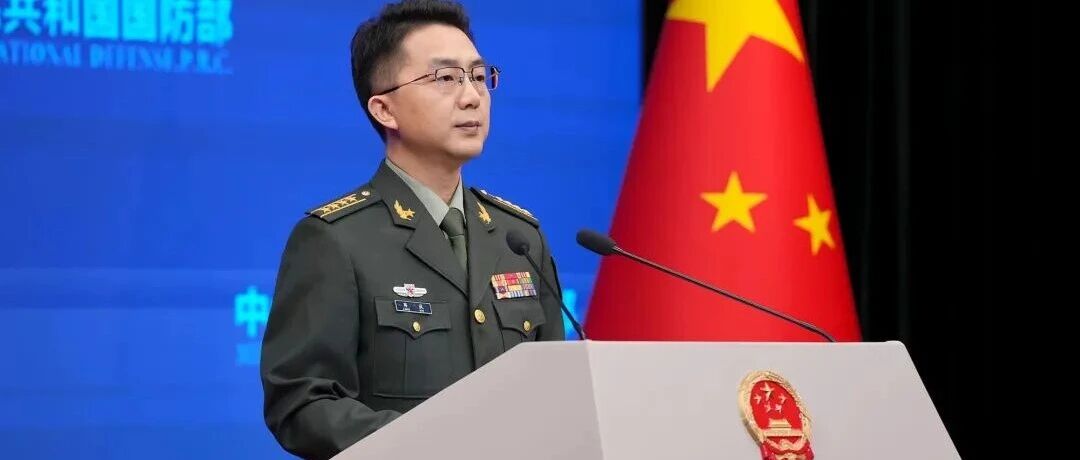
国防部回应日本部署远程导弹
证券时报· 2026-03-11 08:49
Group 1 - The article discusses the recent military actions by the US and Israel against Iran, emphasizing that these actions violate international law and the basic principles of international relations. The Chinese government firmly opposes such violations of sovereignty and calls for an immediate cessation of military actions to return to dialogue and negotiation for peace in the Middle East [2]. - Japan's recent deployment of long-range missiles capable of striking enemy bases is highlighted as a significant shift towards militarization. This move is seen as a threat to regional peace and security, with warnings issued to Japan against any military aggression towards China [2]. - The article addresses Taiwan's military training mission to Central and South America, labeling it as a guise for the Democratic Progressive Party's attempts at independence. It reiterates the one-China principle as the foundation for international relations and warns against any separatist activities [3].

日本部署导弹可覆盖邻国沿海,国防部正告
21世纪经济报道· 2026-03-11 08:35
Core Viewpoint - The article discusses Japan's recent military developments, specifically the deployment of long-range missiles capable of striking enemy bases, which poses a significant threat to regional peace and security [1]. Group 1 - Japan's right-wing forces are accelerating their militarization efforts, including amending the "Peace Constitution" and revising security documents [1]. - The newly deployed long-range offensive weapons have a range of approximately 1000 kilometers, exceeding Japan's territorial defense capabilities [1]. - This shift marks a departure from Japan's previous stance of "self-defense," indicating a move towards a more aggressive military posture, which is viewed as a serious threat to regional stability [1]. Group 2 - The spokesperson warns that Japan's militaristic path could lead to self-destruction and emphasizes that any military aggression against China's sovereignty will be met with severe consequences [1].

日本部署远程导弹,“射程可覆盖邻国沿海区域”,国防部正告日方
财联社· 2026-03-11 07:59
Group 1 - The article highlights Japan's recent deployment of long-range missiles capable of striking enemy bases, with a range of approximately 1000 kilometers, which can cover coastal areas of neighboring countries [1] - It discusses the acceleration of Japan's militarization efforts, including amendments to its "peace constitution" and security policies, indicating a shift from a defensive posture to a more aggressive military stance [3] - The article warns that Japan's actions represent a serious threat to regional peace and security, and it emphasizes that any military aggression against China's sovereignty will lead to severe consequences for Japan [3]
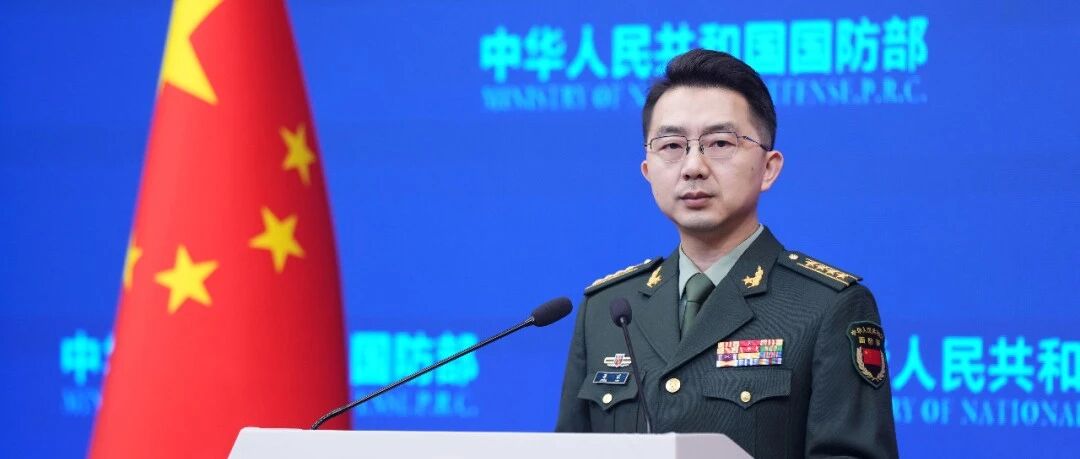
日本部署远程导弹,射程约1000公里,可覆盖邻国沿海区域,国防部:若日方胆敢武力侵犯中方,必将遭受迎头痛击和更加彻底的失败
中国能源报· 2026-03-11 07:37
Core Viewpoint - The article discusses Japan's recent military developments, particularly the deployment of long-range missiles capable of striking enemy bases, which poses a significant threat to regional peace and security [3]. Group 1 - Japan's right-wing forces are accelerating their militarization efforts, including amending the "Peace Constitution" and revising security documents, indicating a shift towards a more aggressive military posture [3]. - The newly deployed long-range offensive weapons have a range of approximately 1000 kilometers, extending beyond Japan's territorial limits, which undermines its previous defense-only stance [3]. - The article warns that Japan's militarization represents a serious threat to regional stability and that any military aggression against China will be met with severe consequences [3].
日本竟公开宣布:在距台湾110公里小岛,5年内部署导弹
Bei Jing Ri Bao Ke Hu Duan· 2026-02-26 00:46
Group 1 - Japan's ruling Liberal Democratic Party has approved a proposal to relax restrictions on the export of defense equipment, which is expected to be submitted to the government next month and may take effect in spring 2023 [1][7] - The proposal will allow the export of military equipment such as fighter jets and destroyers, with provisions for exporting to countries currently engaged in combat, subject to review by Japan's National Security Council [2][7] - Japan's current "Three Principles on Defense Equipment Transfer" limits exports to non-combat purposes, but Prime Minister Fumio Kishida has expressed intentions to modify these rules to enhance deterrence and defense capabilities [2][8] Group 2 - Japan plans to deploy missile units on the Yonaguni Island, located approximately 110 kilometers from Taiwan, with the deployment expected by 2030 [3][9] - The missile units will utilize the Type 03 medium-range surface-to-air missile system, aimed at strengthening Japan's defense capabilities in response to potential conflicts involving Taiwan [3][9] - Analysts suggest that this deployment is part of Japan's broader strategy to establish a multi-layered air defense system in coordination with U.S. military operations in the region [9] Group 3 - Concerns have been raised by China regarding Japan's military movements, with Chinese officials urging the international community to remain vigilant against Japan's perceived resurgence of militarism [1][10] - There is significant public opposition within Japan, with protests occurring against the government's push for constitutional amendments and military expansion, reflecting fears of a return to militarism [5][10]
日本加速为致命武器出口松绑,中方:坚决抵制日本“新型军国主义”妄动
Huan Qiu Shi Bao· 2026-02-25 22:49
Group 1 - Japan's ruling party, the Liberal Democratic Party, has approved a proposal to relax restrictions on the export of defense equipment, which is expected to be submitted to the government next month and may take effect in spring 2023 [2] - The proposal will allow the export of military equipment such as fighter jets and destroyers, with provisions for exporting to countries currently engaged in combat, subject to review by Japan's National Security Council [2][3] - Japan's Prime Minister, Fumio Kishida, has expressed intentions to modify existing export rules that currently limit defense equipment to non-combat purposes, aiming to enhance deterrence and response capabilities with allied nations [2][3] Group 2 - Japan plans to deploy missile units on the Yonaguni Island, located approximately 110 kilometers from Taiwan, with the aim of strengthening its defense capabilities in response to potential conflicts involving Taiwan [4] - The missile units will utilize the Type 03 medium-range surface-to-air missile system, which has been in service since 2003, and is part of Japan's broader strategy to establish a multi-layered air defense system in coordination with U.S. military operations [4] - Concerns have been raised regarding Japan's military actions, as they may provoke regional tensions and violate the spirit of Japan's pacifist constitution, with potential repercussions for peace and stability in the Asia-Pacific region [3][4]
国际社会应坚决抵制日本“新型军国主义”妄动
Xin Lang Cai Jing· 2026-02-25 17:54
Core Viewpoint - The Chinese government expresses serious concern over Japan's ruling party's recent move to relax restrictions on arms exports, emphasizing the need for the international community to uphold the outcomes of World War II and the post-war international order while resisting Japan's "new militarism" [1] Group 1: Japan's Arms Export Policy - The ruling Liberal Democratic Party of Japan has passed a proposal urging the government to ease restrictions on defense equipment exports, including lethal weapons [1] - This shift marks a significant change from Japan's previous ban on arms exports, raising alarms among neighboring Asian countries and the international community regarding Japan's military security developments [1] Group 2: Historical Context and Implications - Japan's military security movements are closely monitored due to its history of aggression, which has led to heightened scrutiny from Asian neighbors and the global community [1] - Recent adjustments in Japan's security policies, including discussions around nuclear armament and potential modifications to its "Three Non-Nuclear Principles," reveal ambitions of re-militarization and a challenge to the post-war international order [1]