再军事化

Search documents
“我想大家都清楚一个铁的事实:日本侵略过所有周边国家”
第一财经· 2026-03-26 08:55
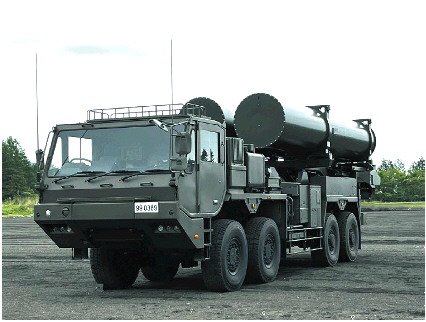
Core Viewpoint - The article discusses Japan's increasing military capabilities and its implications for regional security, emphasizing the historical context of Japan's past aggressions and the potential dangers of its current militarization efforts [3]. Group 1: Japan's Military Developments - Japan's Prime Minister has indicated that the country faces the most severe and complex security environment since World War II, necessitating preparations for new combat methods involving extensive use of drones and long-term warfare [1]. - The Japanese government is pushing for the revision of its security policies and significantly developing offensive military capabilities, including discussions around nuclear armament, which raises concerns about a resurgence of militarism [3]. Group 2: Historical Context and Reactions - The article highlights Japan's historical invasions of neighboring countries and the lack of genuine reflection on its past war crimes, suggesting that Japan's current narrative of external threats is a tactic to divert domestic issues and mislead the international community [3]. - There is a call for global peace advocates to unite against the rise of Japan's "new militarism" to ensure regional peace and the safety of people [3].

俄罗斯警告日本!
中国能源报· 2026-03-19 11:41
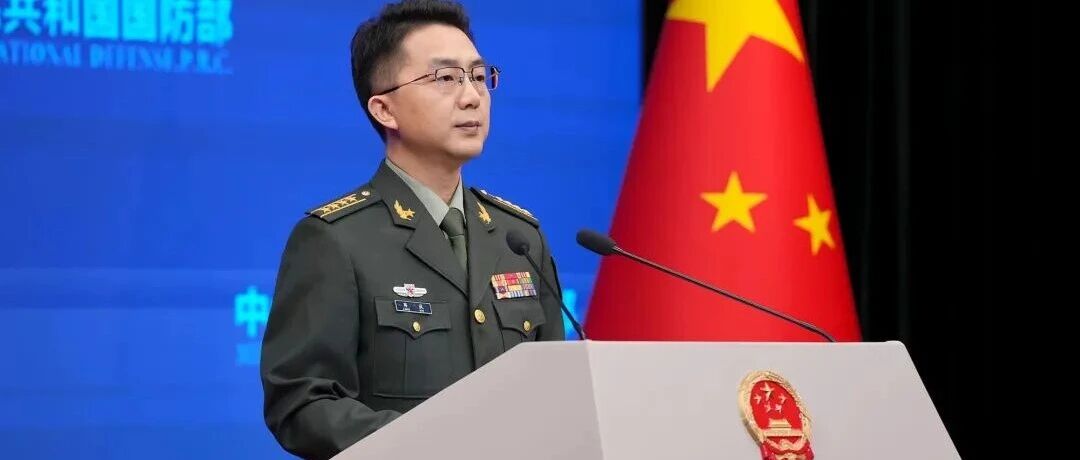
Group 1 - The core viewpoint of the article emphasizes that Japan should learn from historical lessons and adhere to the pacifist principles outlined in its constitution to avoid repeating past mistakes [1] - Russia warns that Japan's ongoing militarization, including the procurement of offensive weapons like cruise missiles, poses a potential threat to regional security [1] - The Russian government has repeatedly cautioned Japan that significantly increasing its military budget could have destructive consequences, particularly when it involves acquiring weapons that threaten the security of neighboring countries like Russia [1] Group 2 - The article highlights that Japan's militarization policy negatively impacts both regional and global stability, exacerbating tensions in the Asia-Pacific region and potentially triggering a new arms race [1] - Russia asserts that if its territory faces new missile threats, it will respond with necessary measures to ensure its national defense capabilities [1]
俄罗斯警告日本:若采购“战斧”导弹,俄方将作出回应
财联社· 2026-03-19 04:32
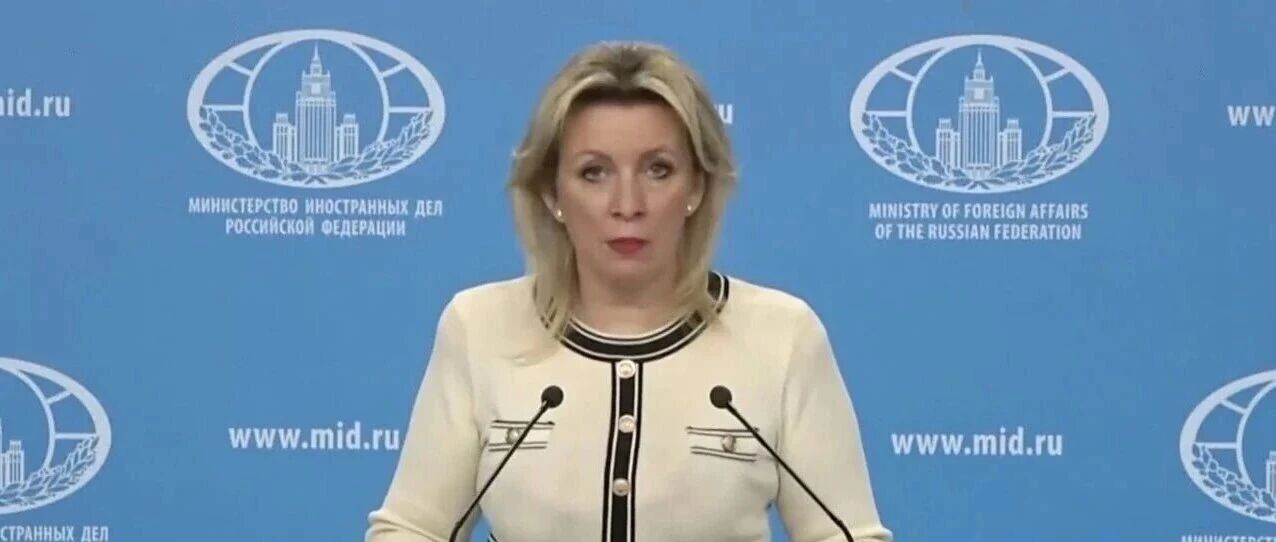
Core Viewpoint - The article discusses Russia's warning to Japan regarding its military expansion and procurement of offensive weapons, emphasizing the potential negative impact on regional and global stability [1][3]. Group 1: Japan's Military Expansion - Japan is reportedly advancing its "re-militarization" process, which includes the procurement of cruise missiles and other offensive weaponry, indicating a shift away from defensive capabilities [3]. - Russia has repeatedly cautioned Japan that significantly increasing its military budget could have destructive consequences, particularly when it involves weapons that pose a potential threat to Russia and neighboring countries [3]. Group 2: Regional and Global Implications - The re-militarization policy of Japan is expected to have extremely negative effects on both regional and global stability, exacerbating tensions in the Asia-Pacific region and potentially triggering a new arms race [3]. - Russia's response to any new missile threats to its territory will involve necessary measures to ensure its national defense capabilities [4].

日本企业被中国纳入管控清单意味着什么?
Western Securities· 2026-03-01 06:04
Group 1: Export Control Measures - China has included 40 Japanese entities in its export control list, with 20 entities directly involved in enhancing Japan's military capabilities[19] - The export control measures are a response to Japan's increased defense spending and military exports, which have reached record levels[2] - The measures are not temporary but were planned since January 2026, with a formal announcement made on January 6, 2026, prohibiting dual-use items to military users in Japan[20] Group 2: Impact on Japanese Entities - The impact on domestic Japanese companies is overall limited, as the defense and military industries of China and Japan are significantly decoupled[28] - The entities on the control list primarily focus on defense sectors, while those on the observation list include aerospace and electronics, indicating a broader scope[21] - Japanese defense stocks, particularly Mitsubishi Heavy Industries, experienced a decline, with shares dropping by 3.6% following the announcement[29] Group 3: Political Context - The recent electoral victory of Prime Minister Fumio Kishida has facilitated a more aggressive defense policy, with the ruling party holding over two-thirds of the seats in the House of Representatives[27] - Kishida's government is expected to push for constitutional amendments to enhance military capabilities, reflecting a shift away from post-war pacifism[31] - The geopolitical tension in the region may lead to further restrictive measures from China in sectors like rare earths and seafood, as part of a systematic countermeasure strategy[3]
日本竟公开宣布:在距台湾110公里小岛,5年内部署导弹
Bei Jing Ri Bao Ke Hu Duan· 2026-02-26 00:46
Group 1 - Japan's ruling Liberal Democratic Party has approved a proposal to relax restrictions on the export of defense equipment, which is expected to be submitted to the government next month and may take effect in spring 2023 [1][7] - The proposal will allow the export of military equipment such as fighter jets and destroyers, with provisions for exporting to countries currently engaged in combat, subject to review by Japan's National Security Council [2][7] - Japan's current "Three Principles on Defense Equipment Transfer" limits exports to non-combat purposes, but Prime Minister Fumio Kishida has expressed intentions to modify these rules to enhance deterrence and defense capabilities [2][8] Group 2 - Japan plans to deploy missile units on the Yonaguni Island, located approximately 110 kilometers from Taiwan, with the deployment expected by 2030 [3][9] - The missile units will utilize the Type 03 medium-range surface-to-air missile system, aimed at strengthening Japan's defense capabilities in response to potential conflicts involving Taiwan [3][9] - Analysts suggest that this deployment is part of Japan's broader strategy to establish a multi-layered air defense system in coordination with U.S. military operations in the region [9] Group 3 - Concerns have been raised by China regarding Japan's military movements, with Chinese officials urging the international community to remain vigilant against Japan's perceived resurgence of militarism [1][10] - There is significant public opposition within Japan, with protests occurring against the government's push for constitutional amendments and military expansion, reflecting fears of a return to militarism [5][10]
日本加速为致命武器出口松绑,中方:坚决抵制日本“新型军国主义”妄动
Huan Qiu Shi Bao· 2026-02-25 22:49
Group 1 - Japan's ruling party, the Liberal Democratic Party, has approved a proposal to relax restrictions on the export of defense equipment, which is expected to be submitted to the government next month and may take effect in spring 2023 [2] - The proposal will allow the export of military equipment such as fighter jets and destroyers, with provisions for exporting to countries currently engaged in combat, subject to review by Japan's National Security Council [2][3] - Japan's Prime Minister, Fumio Kishida, has expressed intentions to modify existing export rules that currently limit defense equipment to non-combat purposes, aiming to enhance deterrence and response capabilities with allied nations [2][3] Group 2 - Japan plans to deploy missile units on the Yonaguni Island, located approximately 110 kilometers from Taiwan, with the aim of strengthening its defense capabilities in response to potential conflicts involving Taiwan [4] - The missile units will utilize the Type 03 medium-range surface-to-air missile system, which has been in service since 2003, and is part of Japan's broader strategy to establish a multi-layered air defense system in coordination with U.S. military operations [4] - Concerns have been raised regarding Japan's military actions, as they may provoke regional tensions and violate the spirit of Japan's pacifist constitution, with potential repercussions for peace and stability in the Asia-Pacific region [3][4]
社评:日本涉军工企业被管控,没什么可喊冤的
Xin Lang Cai Jing· 2026-02-25 15:53
Group 1 - The Chinese Ministry of Commerce has announced sanctions against 20 Japanese entities involved in enhancing Japan's military capabilities, directly targeting Japan's militarization efforts [1] - The sanctioned entities include major defense contractors such as Mitsubishi, Kawasaki, and IHI, which are crucial for Japan's military equipment development and pose a threat to regional and global stability [1] - The measures align with China's export control laws and are framed as actions to uphold international order and maintain regional peace [1] Group 2 - Japan's government has reacted defensively to China's measures, with officials claiming they are unacceptable and attempting to portray Japan as a victim [2] - The Chinese response is seen as a direct reaction to Japan's aggressive military policies and nuclear ambitions, which have raised concerns about a resurgence of militarism in Japan [2] - The political climate in Japan is characterized by a rise in nationalism and anti-China sentiment, which is impacting economic relations, particularly in tourism and retail sectors [3] Group 3 - The Japanese political landscape is increasingly dominated by right-wing factions, leading to a lack of internal checks on aggressive military expansion and a suppression of peace-oriented voices [3] - Prime Minister Kishi's recent statements emphasize the importance of communication with China, but this is contingent on Japan retracting its provocative statements and actions [3]
列单四十家日本实体,更严格管控两用物项,中方出手制止日本“再军事化”
Huan Qiu Shi Bao· 2026-02-24 23:05
Core Viewpoint - The Chinese government has implemented export control measures against 20 Japanese entities involved in enhancing Japan's military capabilities, following Japan's Prime Minister's controversial remarks regarding Taiwan. This action has led to significant stock price fluctuations among affected Japanese companies, particularly in the defense and heavy machinery sectors [1][3]. Group 1: Export Control Measures - The Ministry of Commerce has listed Mitsubishi Heavy Industries and other entities involved in military enhancement on a control list, prohibiting exports of dual-use items to these companies [2]. - Subaru Corporation and other entities unable to verify the end-users of dual-use items have been placed on a watch list, requiring stricter risk assessments for exports [2]. - The measures aim to halt Japan's militarization and nuclear ambitions, asserting that they are lawful and reasonable [2][3]. Group 2: Market Impact - Following the announcement, stocks in Tokyo's defense and heavy machinery sectors experienced declines, with Mitsubishi Heavy Industries dropping by 3.1%, IHI Corporation by 5.73%, and Kawasaki Heavy Industries by 4.02% [3]. - The affected companies are currently assessing the implications of these export restrictions and their potential impact on business operations [3]. Group 3: Political Context - The measures are seen as a response to Japan's increasing military spending and efforts to revise its defense strategy, which includes developing offensive capabilities [4][5]. - Analysts suggest that the Chinese government's actions serve as a counterbalance to Japan's military expansion and are part of a broader strategy to maintain regional stability [5][6]. Group 4: Dual-Use Items and Economic Dependency - China has a list of approximately 1,100 dual-use items requiring export permits, which includes critical materials like rare earth elements essential for various industries [6]. - Japan's reliance on China for about 70% of its rare earth imports raises concerns about the long-term implications of these export controls on Japanese industries [6]. Group 5: Academic Perspectives - Japanese scholars indicate that the measures specifically target military and defense-related entities, reflecting a restrained approach by China [7]. - The actions are interpreted not merely as pressure tactics but also as a call for the Japanese business community to contribute to improving Sino-Japanese relations [7].
视频丨日本学者:扩军并不能提升日本的安全感
Yang Shi Xin Wen Ke Hu Duan· 2026-02-10 13:00
Group 1: Military Expansion and Security Concerns - The Japanese government is accelerating its "remilitarization" process by significantly increasing its defense budget, aiming to gradually break through the limitations of the "peace constitution" [1][3] - Scholar Hiroshi Shiratori argues that expanding military capabilities may not enhance Japan's sense of security but could instead undermine international trust in Japan [1][3] Group 2: Impact on Japan's Peaceful Image - Shiratori emphasizes that the expansion of defense forces could damage Japan's 80-year history as a peaceful nation and potentially erode the trust accumulated with East Asian neighbors [3] - The "Three Non-Nuclear Principles" are highlighted as a core tenet of Japan's identity as a peaceful country, and any reconsideration of these principles may signify a significant shift in Japan's image on the global stage [3] Group 3: Fiscal Policy and Social Inequality - Shiratori critiques the current government's fiscal policies, suggesting they may lead Japan into a fiscal crisis while exacerbating wealth disparity and social division [4][6] - The ongoing depreciation of the yen is noted as a factor that could worsen the fiscal situation, potentially diminishing external confidence in Japan's economy [6] - The wealth gap is expected to widen, with affluent individuals benefiting from rising asset values while middle and lower-income groups struggle with increasing prices [6]
新导弹亮相日本野心勃勃
Xin Lang Cai Jing· 2026-02-08 17:26
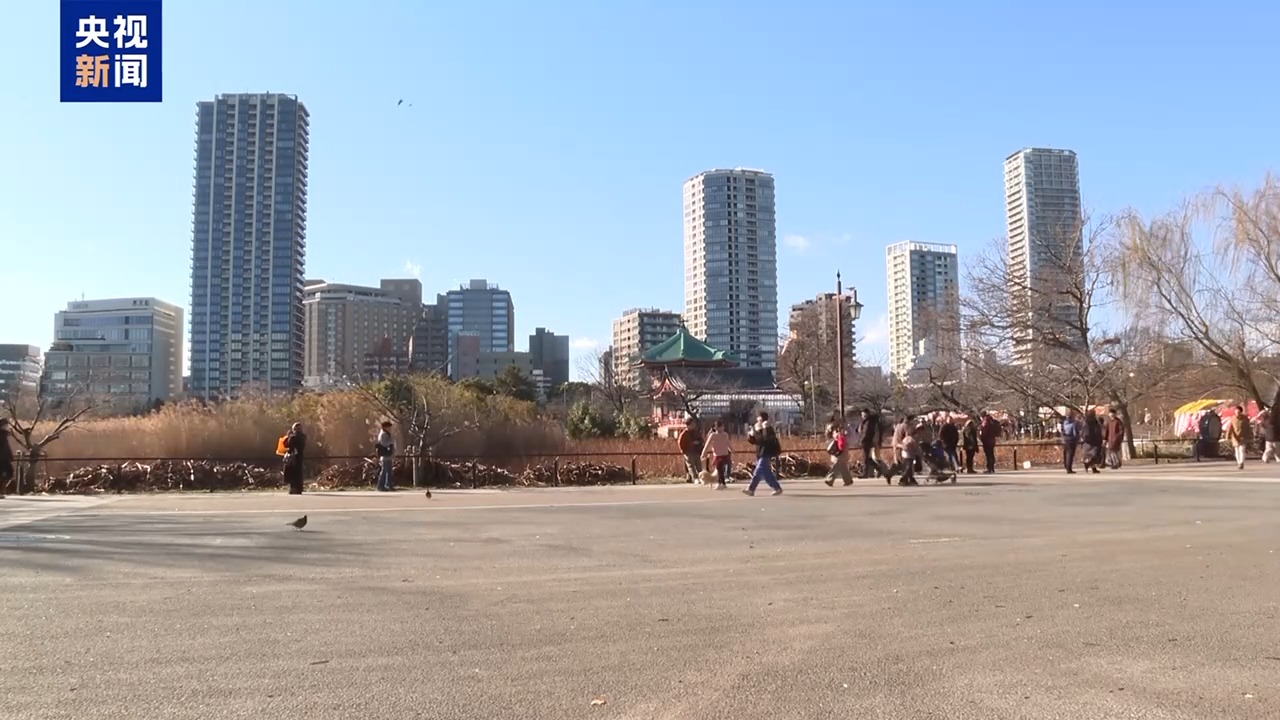
Core Viewpoint - Japan is accelerating its military capabilities by developing a new type of anti-ship cruise missile that can perform "barrel roll maneuvers" to evade defense systems, reflecting a significant shift in its military strategy from defense to offense [3][4]. Military Developments - The new missile, referred to as the "island defense high-speed gliding missile," is expected to begin production in 2027, with a budget allocation of 387 billion yen for its mass production and 732 billion yen for hypersonic missile research in the fiscal year 2026 [5]. - The missile is designed to exceed the range of the existing Type 12 anti-ship cruise missile, which has a maximum range of 1,000 kilometers, indicating that the new missile's range will likely surpass this figure [4][5]. - Japan's defense budget for the fiscal year 2026 has reached a record high of 9.04 trillion yen, with approximately 973.3 billion yen earmarked for enhancing its strike capabilities against enemy bases [9][11]. Technological Features - The missile features advanced stealth capabilities, a unique S-shaped air intake design, and a multi-faceted body to enhance its evasion tactics against interception systems [5]. - It is capable of being deployed from various platforms, including destroyers, land-based mobile launchers, and fighter jets, showcasing its versatility [4][5]. Broader Military Strategy - Japan is also investing in directed energy weapons, with 18.3 billion yen allocated for the development of shipborne laser weapon systems in the fiscal year 2025 [6]. - The country is pursuing the development of high-power microwave systems in collaboration with the U.S. Department of Defense, indicating a focus on advanced military technologies [8]. - Japan's military strategy includes the deployment of new destroyers, submarines, and the integration of Tomahawk missiles into its naval forces, marking a departure from its traditional defense posture [9][10].