新殖民套路

Search documents
不费一兵一卒!美国操盘刚卢协议,收割非洲资源
Sou Hu Cai Jing· 2025-12-07 21:37
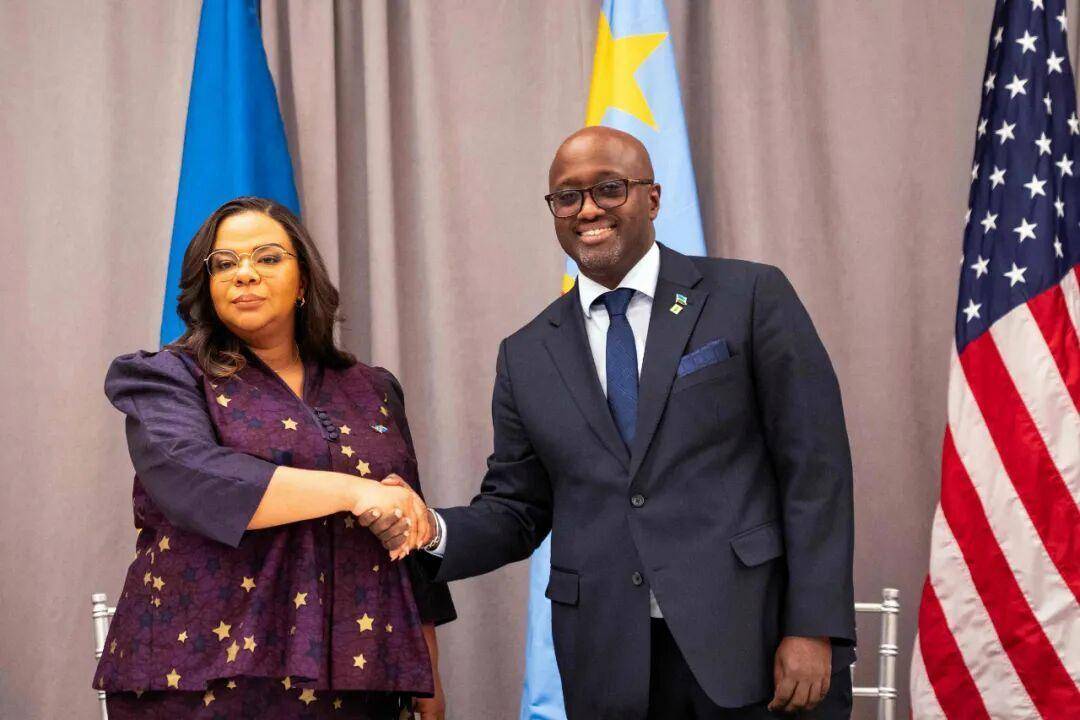
Group 1 - The core point of the article is that the peace agreement between the Democratic Republic of the Congo (DRC) and Rwanda, facilitated by the United States, serves as a strategic maneuver for the U.S. to secure key mineral resources and enhance its geopolitical influence in the African Great Lakes region [2][3][4] - The U.S. has successfully positioned itself in the African Great Lakes region, weakening the influence of China and Russia, which have been deepening their cooperation in Africa [3] - The agreement allows the U.S. to gain access to critical minerals such as cobalt, lithium, and copper from the DRC, which are essential for the renewable energy and electronics industries, thereby reducing reliance on external supply chains [2][3] Group 2 - The U.S. is transforming its policy towards Africa from aid-based to trade-based, as evidenced by the significant reduction of aid and the emphasis on commercial cooperation [3] - The peace agreement is seen as a testing ground for this new policy framework, allowing U.S. companies to enter the markets of both countries while optimizing the business environment for American capital [3] - The U.S. has crafted a diplomatic image as a "peace maker" through this agreement, which serves to bolster its reputation in Africa amidst declining influence [4] Group 3 - The article highlights a pattern of U.S. behavior that mirrors a "new colonial" approach, where the U.S. exacerbates conflicts and then positions itself as a mediator to extract resources and geopolitical advantages [4] - The DRC's offer to exchange mineral rights for security and Rwanda's access to U.S. capital for resource development exemplify this strategy, allowing the U.S. to reap benefits with minimal costs [4] - Ultimately, the peace agreement is portrayed as a game of resource distribution led by the U.S., where the peace aspirations of African nations are exploited for American gain [4]