新能源出行解决方案

Search documents
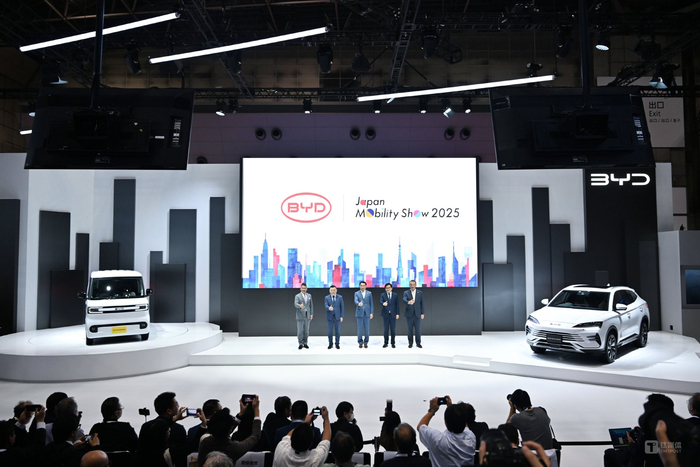
在汽车强国的主场,比亚迪打响“东京突围战”
Tai Mei Ti A P P· 2025-11-04 02:48
Core Insights - BYD's presence at the 2025 Tokyo Motor Show symbolizes its long-term commitment and strategic evolution in the Japanese market, transitioning from a battery manufacturer to a significant player in the automotive industry [2][5][27] - The company has established a dual strategy of "pure electric + hybrid" to cater to the unique demands of Japanese consumers, reflecting a deep understanding of local market dynamics [20][21][30] Group 1: Historical Context and Market Entry - BYD began exploring the Japanese market in 2005, gradually moving from batteries to electric buses and now to passenger vehicles, marking a significant transformation over two decades [6][12] - The company has established 66 sales points in Japan by 2025, offering a range of electric and hybrid models, making it the only Chinese brand with a full supply chain presence in the country [6][14] Group 2: Cultural and Market Challenges - The Japanese automotive market is known for its closed nature and high consumer loyalty, making it challenging for foreign brands to gain a foothold [7][22] - BYD's approach emphasizes building long-term trust and understanding local cultural nuances, which is crucial for acceptance in Japan [9][24] Group 3: Product Strategy and Innovation - The introduction of the K-EV BYD RACCO, designed specifically for the Japanese market, represents BYD's commitment to local culture and consumer needs [17][19] - The launch of the Sea Lion 06 DM-i hybrid SUV aligns with the prevalent consumer preference for hybrid vehicles in Japan, addressing concerns about charging infrastructure [20][21] Group 4: Recognition and Market Position - BYD's electric buses have become the leading brand in Japan, with a significant market share, reflecting the growing acceptance of Chinese brands in the public transportation sector [12][24] - The publication of a technical analysis book on BYD's SEAL model by a Japanese media outlet signifies a shift in perception, recognizing BYD as a serious player worthy of study [14][15] Group 5: Strategic Philosophy - BYD's strategy in Japan focuses on gradual brand building rather than aggressive market share acquisition, emphasizing the importance of time and trust in establishing a presence [26][30] - The company's long-term approach has led to collaborations with Japanese firms, indicating a shift from competition to partnership in the automotive sector [26][30]