新能源汽车对网约车行业的影响

Search documents
清华最新调研:七成滴滴司机高估抽成数据,服务意识与满意度和收入呈正相关
Hua Xia Shi Bao· 2025-09-28 06:00
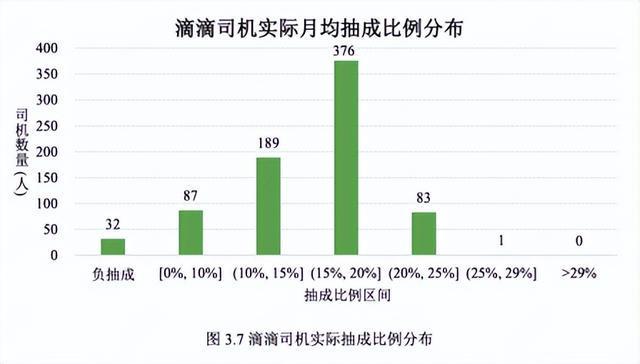
Core Viewpoint - The ecosystem formed by "new energy vehicles - ride-hailing platforms - drivers" plays a significant role in promoting consumption, stabilizing employment, and enhancing manufacturing levels. A recent empirical study by Tsinghua University's Environmental Academy indicates that electrification not only has significant environmental benefits but also reshapes the economic landscape of the industry [1][2]. Summary by Relevant Sections Driver Commission Insights - The study found that the average monthly commission for all surveyed Didi drivers is 15.3%, slightly higher than Didi's reported average commission of 14% for all orders in 2024. Approximately 49.0% of drivers reported a commission rate between 15% and 20%, while 24.6% reported between 10% and 15% [2][4]. - A significant portion of drivers (71.8%) overestimated their commission rates, with over a third believing their commission exceeded 25%. However, only one out of 768 drivers had a commission above this threshold [4][6]. Driver Demographics and Income - The majority of Didi drivers are middle-aged individuals with lower educational backgrounds, with 75.4% having a high school education or less. The average monthly income for surveyed drivers exceeds 8,000 yuan, with significant variations across cities. Drivers in Shanghai earn an average of 14,000 yuan, while those in smaller cities earn less and often work part-time [9][12]. - The highest average monthly incomes are found among drivers aged 36-45 (8,802 yuan) and those with a high school education (8,693 yuan). This indicates that the ride-hailing industry provides a fair platform for various social groups, especially those disadvantaged in traditional job markets [12]. Driver Satisfaction and Service Quality - Drivers who believe that "good service leads to good income" report higher satisfaction levels with the platform, and interestingly, these drivers also tend to earn more [13]. - The report suggests that the platform's commission structure serves as a "reservoir" that can be redistributed based on supply and demand, which helps maintain a sustainable ecosystem. However, the complexity of this structure may lead to misunderstandings among drivers [12][16]. Recommendations for Platforms - The study emphasizes the need for ride-hailing platforms to improve transparency and communication regarding commission structures to reduce misunderstandings among drivers. It also highlights the importance of addressing the diverse expectations of different driver groups to enhance overall satisfaction [6][16].