
无人机灭火

Search documents
追问香港大埔火灾:不用无人机灭火背后的几个真相
Nan Fang Du Shi Bao· 2025-12-01 15:46
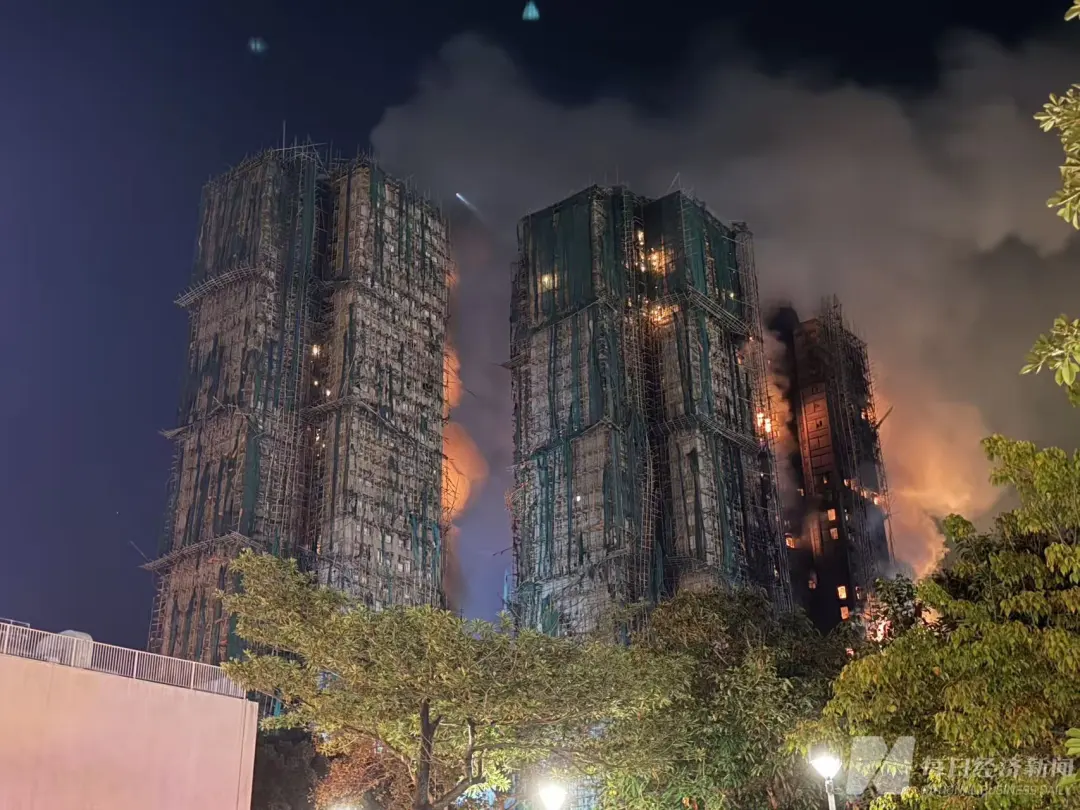
Group 1: Fire Incident Overview - The fire at Tai Po Wang Fuk Court has resulted in 151 fatalities as of December 1, with ongoing investigations into the cause [1] - The Hong Kong police have completed searches of five buildings, with two remaining [1] Group 2: Use of Drones in Firefighting - The Hong Kong Fire Services Department stated that drone firefighting is still in the exploratory phase, facing challenges in terms of technology, cost, and operational mechanisms [1][4] - Drones are primarily suitable for early-stage small fires in high-rise buildings, with companies like Guangzhou Huakeer Technology Co., Ltd. developing drones capable of reaching heights of 170 meters [2][3] - Current drone technology lacks practical experience in firefighting, often being used for reconnaissance rather than active firefighting [4][6] Group 3: Challenges and Limitations of Drone Technology - Drones have limitations in water delivery capacity compared to traditional firefighting methods, making them less effective in large-scale fire scenarios [4][5] - The lack of real-world application and commercial viability has led to insufficient investment in high-rise firefighting drone technology [6][7] - High costs associated with drone firefighting systems can deter government procurement [7] Group 4: Regulatory and Safety Considerations for High-Rise Buildings - High-rise buildings pose significant firefighting challenges, with over 5,000 buildings exceeding 100 meters in height across China [8] - Regulatory measures, such as height restrictions for new buildings, have been implemented to ensure safety and compatibility with firefighting capabilities [8][9] - The need for ongoing attention to fire safety in high-rise developments is emphasized, particularly in light of recent incidents [10]
最新!香港火灾已致65人遇难,16楼楼梯间救出1名生还者!无人机为何不参与高楼灭火?多家上市公司回应
Mei Ri Jing Ji Xin Wen· 2025-11-27 14:45
Core Points - A major fire occurred in Hong Kong's Tai Po district, resulting in 65 fatalities and 70 injuries, including firefighters [1][5] - The Hong Kong government has established a relief fund of 300 million HKD for affected residents and is providing emergency assistance [5][6] - Insurance claims related to the fire are expected to exceed 2 billion HKD, with significant payouts anticipated from China Taiping Insurance [9][11][13] Government Response - The Hong Kong government has opened nine shelters for over 500 residents affected by the fire [5] - A series of memorial activities and the cancellation of public events have been announced in response to the tragedy [5] - Emergency relief funds of 10,000 HKD per household are being distributed to affected families [5] Donations and Support - The Ho Ying Tung Foundation and Ho Kwan Sing have pledged 30 million HKD to support the residents of the affected area [6] - Nongfu Spring has donated 10 million HKD in cash and 5 million HKD worth of supplies for emergency relief efforts [7] Insurance Implications - The Tai Po estate has comprehensive insurance coverage, including property and public liability insurance, with a total insured amount of approximately 2 billion HKD [9][10] - Analysts predict that the fire may trigger one of the largest collective insurance claims in Hong Kong's history, with potential full payouts expected [11][13] Firefighting Technology - The use of drones for firefighting was highlighted, with current technology showing limitations in effectively combating high-rise fires [21][26] - Companies involved in drone technology for firefighting reported minimal contributions to their overall revenue, indicating a nascent market [23][24] Market Reaction - Following the fire incident, stocks of companies involved in firefighting technology experienced significant fluctuations, with some reaching daily limits [24]


我们离实现“无人机灭火”还有多远?
凤凰网财经· 2025-11-27 14:26
Core Viewpoint - The article discusses the current limitations and challenges of using drones for firefighting, particularly in high-rise buildings, highlighting that the technology is still in its early stages and not yet ready for widespread practical application [2][11]. Group 1: Sales and Business Impact - The sales of firefighting drones are minimal, contributing very little to the overall revenue of companies involved in this sector. For instance, Helen Zhe has sold only three units of its first-generation firefighting drone [3]. - Other companies, such as Chen An Technology and Qing Niao Fire Protection, also report that their drone business has not yet generated significant revenue, with most of their focus still on traditional firefighting equipment [3]. Group 2: Technical Limitations - Current drone technology faces physical limitations in practical applications, particularly in high-rise firefighting scenarios. The existing drones struggle with the volume of water they can carry and the effects of high-pressure water flow [5][8]. - The predominant methods for firefighting using drones include "water delivery" and "fire extinguishing projectiles," but both have limitations in effectiveness against large fires [6][7]. Group 3: Environmental Challenges - High-rise fires present unique challenges due to turbulent airflow and strong winds, which require drones to have high power and stability to operate effectively [10]. - The article suggests that a coordinated approach using multiple drones may be necessary to tackle larger fires, as single units are insufficient [10]. Group 4: Future Directions - The industry needs to focus on developing a comprehensive framework for drone firefighting, including airspace management, collaborative command systems, and technical standards for high-capacity drones [11]. - There is a call for innovation and experimentation within the industry to fully realize the potential benefits of firefighting drones [11].

我们离实现“无人机灭火”还有多远?
财联社· 2025-11-27 09:48
Core Viewpoint - The current state of drone technology for firefighting, especially in high-rise buildings, is still lacking in practical application and standardization, facing numerous technical and regulatory challenges [1][11]. Group 1: Current Market Situation - Sales of firefighting drones are low, contributing minimally to the overall revenue of companies involved in this sector [3]. - Companies like Helen Zhe (300201.SZ) have reported selling only three units of their first-generation firefighting drone, indicating a very small market presence [4]. - Other companies, such as Chen An Technology (300902.SZ) and Qingniao Firefighting (002960.SZ), also express that their drone business has not yet formed stable revenue streams and remains in the research and development phase [4][5]. Group 2: Technical Limitations - The current technical paths for firefighting drones have physical limitations, particularly in high-rise fire scenarios where traditional ground equipment has blind spots [5]. - The main methods of firefighting include "water-based extinguishing" and the use of fire extinguishing projectiles, with the latter being more common for smaller drones [6][7]. - Small drones face challenges in carrying sufficient extinguishing projectiles, while larger drones struggle with the weight of water hoses and the effects of air currents [8][9]. Group 3: Future Development and Challenges - The industry requires a comprehensive approach to address the challenges of high-rise firefighting, including the need for drone swarms to effectively combat large fires [9][10]. - There is a call for the establishment of a management system for airspace and a collaborative command structure to enhance the operational effectiveness of firefighting drones [11]. - The development of high-power firefighting drones and the integration of extinguishing agents with drone technology are critical areas that need attention for future advancements [11].
