消防无人机

Search documents
“新字号”强壮记丨无人装备智创新高地 ——猎鹰消防飞向救援最前线
He Nan Ri Bao· 2026-01-21 23:37
Core Insights - The article highlights the innovative capabilities of Henan Falcon Fire Technology Co., Ltd. in utilizing drone technology for firefighting, particularly in high-rise buildings, addressing a global challenge in fire rescue operations [1][2]. Company Overview - Henan Falcon Fire is recognized as a specialized and innovative small and medium-sized enterprise in Henan province, with a focus on original innovation and the development of emergency rescue drone equipment [2]. - The company is the only one in China with dual qualifications for producing both drone firefighting equipment and fire trucks, showcasing its comprehensive system design approach [2]. Product Development - The company has developed a range of drones, including a dual-rotor fuel drone with a maximum load of over 350 kg, a quad-rotor electric drone capable of carrying 100 kg, and a lightweight 15 kg electric firefighting drone, suitable for various rescue scenarios [2]. - Falcon Fire has also established three group standards for large-load drones and firefighting equipment, filling industry gaps and providing clear technical and quality standards [3]. Industry Context - The safety and emergency industry is identified as a sunrise industry, crucial for high-quality development and safety interactions, supported by government initiatives like the "Key Development Action Plan for Safety Emergency Equipment (2023-2025)" [3]. - The success of companies like Falcon Fire is attributed to a deep understanding of industry needs and continuous high-intensity technological research and innovation [3].
南京河西中央科创区绘就AI新蓝图
Jiang Nan Shi Bao· 2026-01-19 17:08
Core Insights - The Nanjing Hexi Central Innovation Zone is positioning itself as a leading hub for artificial intelligence (AI) development, emphasizing collaboration and innovation in the digital economy [1][2]. Group 1: Development Progress - The Hexi Central Innovation Zone has made significant strides, becoming a core area for AI innovation in Jiangsu Province, with a focus on ecological construction and industrial aggregation [2]. - Major companies like Alibaba, Xiaomi, and JD.com have established a presence in the zone, fostering a collaborative ecosystem with over a hundred upstream and downstream enterprises [2]. Group 2: Strategic Planning - A series of key plans and policies were announced to drive high-quality development in the Hexi Central Innovation Zone, including a three-year action plan for the AI International Community [3]. - The action plan aims to cultivate 2-3 landmark AI enterprises, develop over 10 industry-leading models, and attract more than 1,000 AI companies and teams by 2028, targeting a trillion-level AI+ industry cluster [3]. Group 3: AI Application Scenarios - The conference showcased the application of AI in various sectors, including life services, urban governance, and industrial upgrades, highlighting products like traditional Chinese medicine diagnostic devices and unmanned aerial vehicles [4]. - These applications aim to enhance urban safety and facilitate the digital transformation of industries, aligning with the goal of creating a comprehensive urban intelligence framework [4]. Group 4: Ecosystem Support - The district has introduced measures to support the development of OPC communities, providing various incentives such as office rent exemptions and subsidies for research and development [5]. - Six specialized OPC communities have been established, focusing on vertical industries and regional resource integration to foster a collaborative development environment [5]. Group 5: Talent Development - The Hexi Central Innovation Zone is actively engaging with 54 universities in Nanjing to promote talent cultivation and project incubation, enhancing the synergy between academia and industry [7]. - Collaborative innovation platforms have been established with local universities to drive technological and industrial innovation [7]. Group 6: Industry Insights - Industry leaders shared insights on AI trends, emphasizing the importance of collaboration between enterprises and the Hexi Central Innovation Zone to advance the AI sector [8]. - The development of the Hexi Central Innovation Zone is recognized as a model for AI+ industry demonstration, contributing to the establishment of a globally influential industrial technology innovation center in Jiangsu [8].
科技赋能守护平安 走进警营开放日活动
Xin Lang Cai Jing· 2026-01-11 07:56
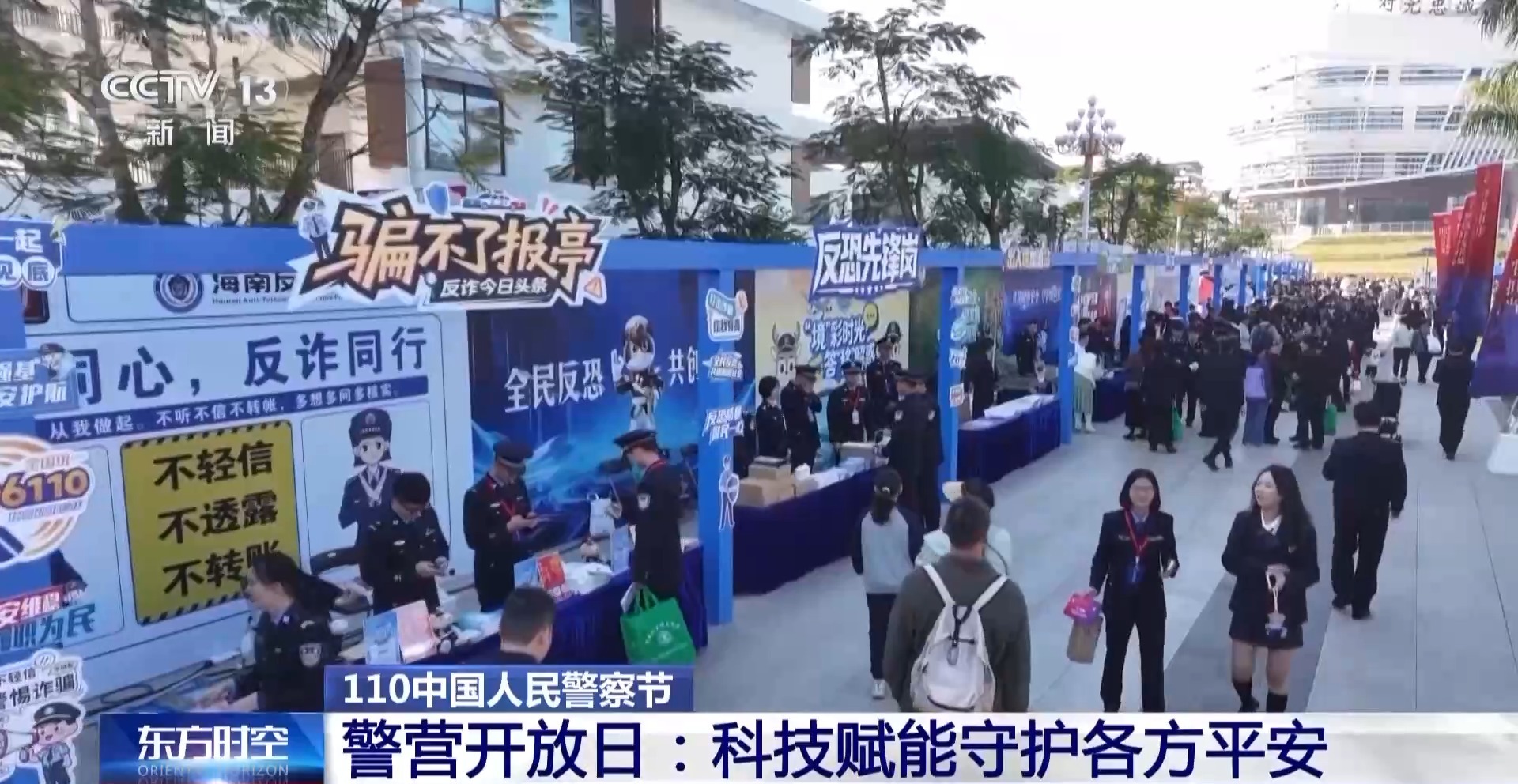
Core Viewpoint - The article highlights the various activities organized across the country to celebrate the sixth 110 Police Day, showcasing advancements in police technology and fostering community engagement to enhance public safety awareness [1]. Group 1: Police Activities and Community Engagement - Various themed activities such as open police days and equipment displays were organized to honor the police force and promote public safety [1]. - In Beijing, the West City Public Security Bureau focused on themes of "Mission," "Hero," and "Family" to demonstrate their commitment to safety and community service [1]. - In Hainan, the Coast Guard and Anti-Smuggling Police set up popular booths to educate citizens about the newly implemented Anti-Smuggling Regulations [1]. Group 2: Public Awareness and Education - Citizens were encouraged to avoid illegal activities such as smuggling and to protect their personal information, as emphasized by local residents and police [3][5]. - The Longcheng police highlighted the management of drone activities, educating the public on the dangers of unauthorized drone flights and the importance of registration [7]. - In Qingdao, safety knowledge was integrated into daily life through interactive quizzes on topics like winter driving and credit card fraud prevention [9]. Group 3: Demonstrations of Police Equipment - In Xining, various police equipment was showcased, including drones for patrol and firefighting, allowing the public to witness the capabilities of law enforcement [11]. - The use of mechanical dogs and specialized anti-explosion gear was demonstrated to emphasize the strength of the police force [11].

山东研究划设济青高速沿线及烟台至长岛低空公共航路
Qi Lu Wan Bao· 2025-12-19 01:51
Core Viewpoint - The article discusses the implementation of the "Public Safety Management Measures for Civil Unmanned Aerial Vehicles in Shandong Province," emphasizing the promotion and assurance of high-quality development in the low-altitude economy [1] Group 1: Infrastructure Development - Shandong is developing a low-altitude infrastructure construction plan based on the principle of "provincial coordination and municipal implementation" [1] - The province is accelerating the establishment of a provincial low-altitude intelligent network system, which will serve as the "only entry point" for all low-altitude flight activity applications and the "central brain" for operational supervision [1] Group 2: Airspace Management - Research is being conducted to designate public low-altitude air routes along the Jiqing Expressway and from Yantai to Changdao, exploring new models for local airspace management [1] - Plans are underway to enhance anti-drone interference capabilities at key transportation hubs, including Qingdao Jiaodong and Jinan Yaoqiang International Airports, gradually expanding to other important target units [1] Group 3: Industry Development - The province aims to coordinate the capacity layout of low-altitude aircraft and project construction while strictly controlling the establishment of new low-altitude economic industrial parks [1] - Key projects include the construction of large drones by Yantai Yitong, intelligent manufacturing in Weihai High-tech Zone, and large eVTOL assembly in Jining, with a focus on developing priority areas centered around Jinan and Qingdao [1] - More than 40 equipment manufacturing projects with investments exceeding 100 million yuan are planned to commence next year, aiming to create a development pattern driven by leading enterprises, chain development, and cluster promotion [1]
消防无人机“缺位”背后:市场需求巨大 技术尚存瓶颈
证券时报· 2025-12-03 00:07
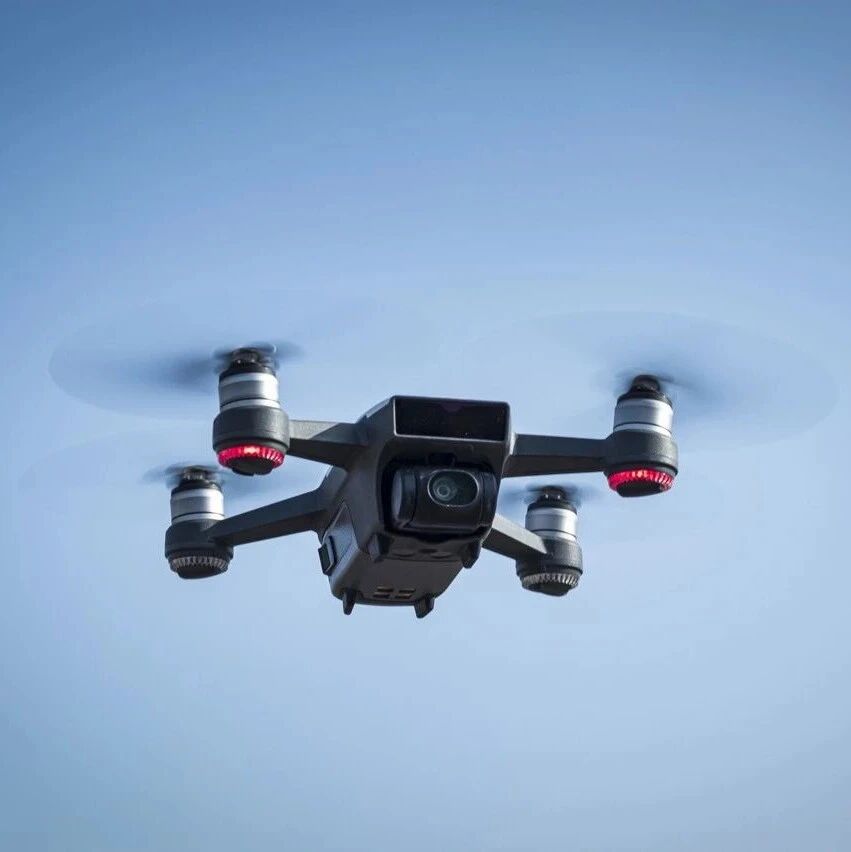
Core Viewpoint - The article discusses the current state and future potential of firefighting drones, highlighting that while the technology is still in development, there is a pressing demand for such solutions in complex fire scenarios, particularly in high-rise buildings [1][3][6]. Group 1: Current State of Firefighting Drones - Firefighting drones suitable for practical use are still in the research and development phase, with existing products primarily focused on market promotion and commercial validation [1][3]. - The current prevalent drones in firefighting are reconnaissance types, which assist in assessing disaster situations rather than directly extinguishing fires [3][4]. - There is a lack of specialized firefighting drones designed for high-rise buildings, with existing solutions being general-purpose drones temporarily equipped with firefighting devices [3][4]. Group 2: Technical Challenges - The main technical bottleneck for firefighting drones is their payload capacity, which directly affects their water discharge capabilities [4]. - Firefighting requires sustained high-volume water discharge, necessitating a tethered power and liquid supply system, which imposes significant weight and operational challenges on the drones [4][5]. - Current drones have not yet achieved large-scale application due to the absence of established standards, rules, and operational experience in firefighting scenarios [5]. Group 3: Market Potential and Future Outlook - The market for high-rise firefighting drones in China is rapidly growing, with the market size increasing from 8 billion yuan in 2020 to 20.2 billion yuan in 2023, and projected to reach 50 billion yuan by 2025 [7]. - There is a strong demand for efficient and safe intelligent firefighting methods, driven by the complexities of high-rise rescue scenarios [7]. - The industry is expected to undergo significant changes due to recent events, potentially leading to the establishment of industry standards and increased integration of drones into firefighting systems [7][8]. Group 4: Innovations and Developments - Companies are moving towards market validation, with several firms developing products that have passed technical verification and are ready for commercialization [10]. - Innovations such as the high-altitude tethered firefighting drone system are being developed, which can significantly reduce costs compared to traditional firefighting vehicles [11]. - The integration of hydrogen power systems in drones is being explored to overcome current limitations in operational endurance, with some models achieving up to 2 hours of flight time under load [12][13].
无人机企业:可用于灭火实战的消防无人机相对成熟的产品正处于市场推广和商业验证中
Zheng Quan Shi Bao Wang· 2025-12-02 23:40
Group 1 - The core topic of discussion is the absence of drones in firefighting during a recent incident in Tai Po, Hong Kong [1] - Firefighting drones that can be effectively used in real operations are still in the research and development phase, with commercially viable products currently undergoing market promotion and validation [1] - There is a pressing demand for firefighting drones in complex scenarios such as high-rise buildings, and the industry anticipates that the formulation of relevant policies and standards, as well as market promotion, will accelerate in the next 3 to 5 years [1]
消防无人机“缺位”背后: 市场需求巨大技术尚存瓶颈
Zheng Quan Shi Bao· 2025-12-02 18:18
Core Insights - The absence of drones in recent firefighting efforts highlights the current immaturity of firefighting drones, which are still in the development phase and not yet ready for practical application [1][2][3] Industry Development - The firefighting drone market is projected to grow significantly, with the market size for high-rise firefighting drones increasing from 8 billion yuan in 2020 to 20.2 billion yuan in 2023, and expected to reach 50 billion yuan by 2025 [5] - The industry is currently in the early stages of commercialization, with a pressing demand for efficient and safe firefighting solutions in complex high-rise scenarios [5][6] Technological Challenges - Technical bottlenecks hinder the development of specialized firefighting drones, particularly in terms of payload capacity and sustained operation under high-pressure conditions [3][4] - Existing drones primarily serve reconnaissance purposes, with few capable of direct firefighting, and those that are available often lack a mature business model and supporting standards [2][3] Future Prospects - The next 3-5 years are critical for the commercialization and market validation of firefighting drones, with industry players focusing on product promotion and technological iteration [7] - The integration of drones with firefighting vehicles for tethered power and liquid supply is seen as a potential solution for sustained firefighting operations [8][9] Innovations and Applications - Companies are developing advanced drone systems, such as the RS150E, which can adapt to various scenarios including firefighting and personnel evacuation [9] - Hydrogen-powered drones are being explored to overcome endurance limitations, with models like the H100 capable of carrying 50 kg for up to 2 hours, significantly enhancing operational capabilities [9]

消防无人机“缺位”背后:市场需求巨大技术尚存瓶颈
Zheng Quan Shi Bao· 2025-12-02 18:07
Core Insights - The absence of drones in recent firefighting efforts highlights the current immaturity of firefighting drones, which are still in the research and development phase, with market-ready products undergoing commercial validation [1][2] - The demand for firefighting drones, especially for high-rise buildings, is urgent, and industry experts predict that policy and standard development will accelerate in the coming years [1][3] Industry Development - The firefighting drone market is projected to grow significantly, with the market size for high-rise firefighting drones increasing from 8 billion yuan in 2020 to 20.2 billion yuan in 2023, and expected to reach 50 billion yuan by 2025 [3][4] - The industry is currently in the early stages of commercialization, with a mismatch between supply and demand, as the need for efficient and safe firefighting solutions is pressing [3][4] Technological Challenges - The main challenges for firefighting drones include technical bottlenecks related to payload capacity and the need for tethered power and liquid supply systems to sustain long-duration firefighting operations [2][5] - Current firefighting drones are primarily reconnaissance drones, with few capable of direct firefighting, particularly in complex urban environments [1][2] Future Prospects - The industry is expected to undergo significant changes due to recent events, potentially leading to the establishment of standards and the integration of drones into firefighting systems [4][5] - By 2030, the drone industry in China is anticipated to exceed 1 trillion yuan, with the firefighting segment expected to surpass 100 billion yuan [4][5] Market Validation - Companies are transitioning from technology exploration to market promotion, with several firms already launching products that have undergone technical validation [5][6] - Innovations such as the high-altitude tethered firefighting drone system are being developed, which could significantly reduce costs compared to traditional firefighting vehicles [6][7] Product Development - Companies like 海伦哲 and 天津卓跃翼航 are developing advanced firefighting drones, with capabilities for various emergency scenarios, including personnel evacuation and firefighting [5][7] - The integration of hydrogen power systems is being explored to enhance the operational endurance of drones in firefighting applications, with products like the H100 and H400 models showing promising capabilities [7][8]
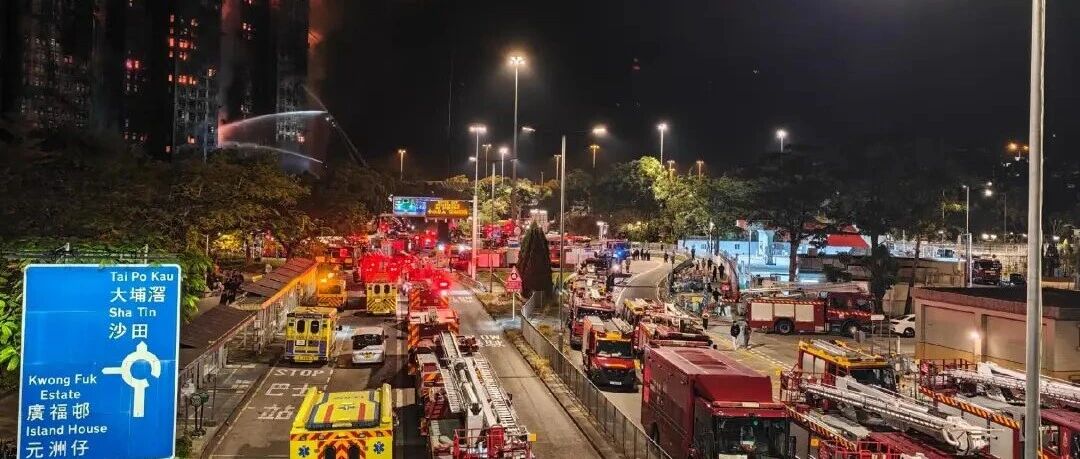
追问香港大埔火灾:不用无人机灭火背后的几个真相
Nan Fang Du Shi Bao· 2025-12-01 15:46
Group 1: Fire Incident Overview - The fire at Tai Po Wang Fuk Court has resulted in 151 fatalities as of December 1, with ongoing investigations into the cause [1] - The Hong Kong police have completed searches of five buildings, with two remaining [1] Group 2: Use of Drones in Firefighting - The Hong Kong Fire Services Department stated that drone firefighting is still in the exploratory phase, facing challenges in terms of technology, cost, and operational mechanisms [1][4] - Drones are primarily suitable for early-stage small fires in high-rise buildings, with companies like Guangzhou Huakeer Technology Co., Ltd. developing drones capable of reaching heights of 170 meters [2][3] - Current drone technology lacks practical experience in firefighting, often being used for reconnaissance rather than active firefighting [4][6] Group 3: Challenges and Limitations of Drone Technology - Drones have limitations in water delivery capacity compared to traditional firefighting methods, making them less effective in large-scale fire scenarios [4][5] - The lack of real-world application and commercial viability has led to insufficient investment in high-rise firefighting drone technology [6][7] - High costs associated with drone firefighting systems can deter government procurement [7] Group 4: Regulatory and Safety Considerations for High-Rise Buildings - High-rise buildings pose significant firefighting challenges, with over 5,000 buildings exceeding 100 meters in height across China [8] - Regulatory measures, such as height restrictions for new buildings, have been implemented to ensure safety and compatibility with firefighting capabilities [8][9] - The need for ongoing attention to fire safety in high-rise developments is emphasized, particularly in light of recent incidents [10]
香港大埔火灾救援:无人机如何才能真正解决高空灭火难题?
经济观察报· 2025-11-28 02:09
Core Points - The fire at Hong Kong's Hongfu Garden resulted in significant casualties, with 75 confirmed dead and 76 injured, including firefighters [2][4] - The existing firefighting equipment in Hong Kong, particularly the main "turntable ladder" with a maximum operational height of 56 meters, is inadequate for high-rise buildings like the 32-story Hongfu Garden [6][8] - The physical limitations of the firefighting equipment and the building's design hindered effective rescue operations, leading to a reliance on ground personnel for firefighting efforts [5][10] Group 1: Fire Incident Overview - The fire at Hongfu Garden, which has a height exceeding 90 meters, posed challenges for firefighting due to the limitations of existing equipment [6][8] - The rescue operation involved over 1,200 firefighters and paramedics, with more than 200 fire trucks and 100 ambulances deployed [4][5] - The fire's intensity and the building's height created a "vacuum zone" where traditional firefighting equipment could not reach [8][9] Group 2: Equipment Limitations - The main firefighting equipment, the "turntable ladder," can only reach up to 56 meters, which is insufficient for the 32-story building [6][8] - The narrow internal roads of the building complex restricted the deployment of heavy firefighting vehicles, preventing them from fully extending their support legs [9] - Water pressure loss over long distances further complicated firefighting efforts, limiting the effectiveness of water streams on high floors [10] Group 3: Emerging Solutions - New emergency rescue vehicles utilizing high-pressure jet technology are being developed to address the limitations of traditional firefighting equipment [11][12] - These new vehicles can reach heights of up to 160 meters, theoretically covering most residential buildings [12] - The introduction of such technology is still in its early stages, with limited deployment in existing firefighting systems [12] Group 4: Drone Utilization Challenges - The use of drones for firefighting has been questioned, with current models unable to effectively combat high-rise fires due to environmental conditions and payload limitations [14][16] - Existing drones are primarily used for reconnaissance rather than direct firefighting, highlighting a gap in technology for high-rise fire scenarios [15][19] - The need for a coordinated drone operation involving multiple units is emphasized, but such systems are not yet established in the industry [19][20]