无感消费

Search documents
免密支付莫玩捉迷藏
Jing Ji Ri Bao· 2025-11-19 01:30
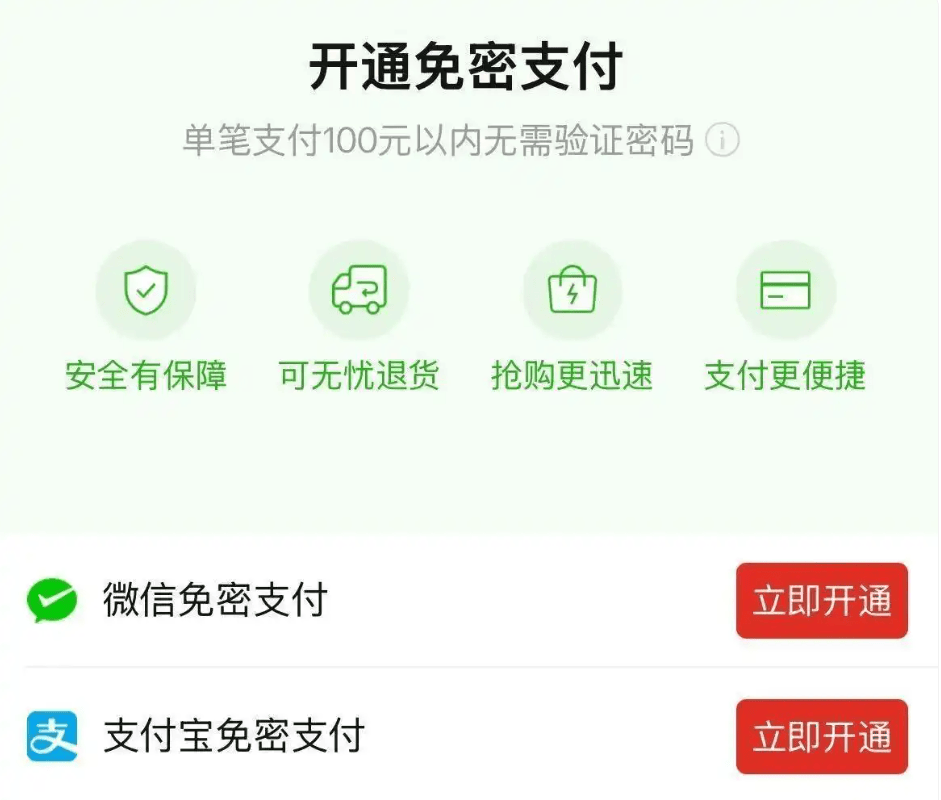
Core Viewpoint - The China Payment and Clearing Association has issued an initiative to enhance the security management of "no-password payment" services, aiming to protect user rights and promote healthy industry development [1][2]. Group 1: Initiative Details - The initiative emphasizes the importance of not enabling "no-password payment" by default, which has received strong consumer support [2]. - Payment service providers are urged to ensure consumers' rights to be informed and to choose, including clear communication about activation, limits, and cancellation of the service [2]. Group 2: Focus on Vulnerable Groups - Special attention is given to elderly consumers, with recommendations for assessing their risk preferences and providing clear information about the service [2]. - Measures suggested include proactive information sharing about "no-password payment" transactions and easy cancellation options to enhance security for elderly users [2]. Group 3: Consumer Recommendations - Consumers are encouraged to regularly check their account statements and to immediately close payment channels if any unusual transactions are detected [2]. - It is advised to retain evidence of unauthorized transactions and report significant losses to law enforcement [2].
你被免密支付“坑”过吗?
Sou Hu Cai Jing· 2025-09-02 03:18
Core Insights - The rise of "no-password payment" systems has led to increased convenience for consumers but also significant issues, including unauthorized transactions and impulsive spending [2][3][5] Group 1: Consumer Behavior - Consumers using "no-password payment" have seen an average increase of 18% in single transaction amounts, with a 40% rise in return rates, indicating a tendency towards impulsive purchasing decisions [2] - Complaints regarding "no-password payment" have reached 65,000 on a complaint platform, highlighting widespread consumer dissatisfaction [2] Group 2: Regulatory and Legal Concerns - Some platforms exploit loopholes in third-party payment systems, allowing for high-frequency small transactions that evade monitoring, leading to significant financial losses for consumers [3] - Legal experts argue that default settings for "no-password payment" options violate consumer protection laws, suggesting that platforms should provide clear options to disable such features and improve transparency [5] Group 3: Recommendations for Improvement - Payment platforms are advised to create easily accessible options for disabling "no-password payment" and to regularly remind users of their payment settings [5] - Regulatory bodies are encouraged to enhance oversight of "no-password payment" systems, as current laws do not specifically address this payment method [5]