
无痕山林

Search documents
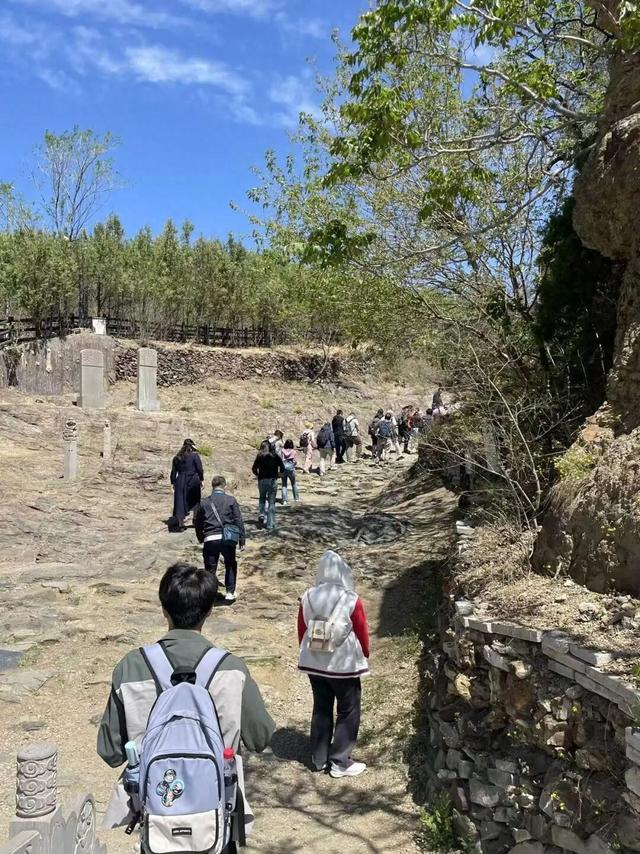
守护京西福地,从每一次负责任的行走开始
Bei Jing Ri Bao Ke Hu Duan· 2026-02-03 03:25
Core Insights - The transformation of the Mentougou area from a resource extraction zone to an ecological haven is highlighted, emphasizing the importance of responsible tourism and environmental protection [1][4][6] Group 1: Ecological Restoration and Outdoor Activities - The ecological restoration efforts in Mentougou have led to increased outdoor activities, with more citizens engaging in hiking and nature exploration [3] - Popular hiking trails are experiencing increased foot traffic, which has resulted in environmental concerns such as littering and inadequate maintenance of facilities [3] Group 2: Forest Fire Prevention and Community Responsibility - The current period is critical for forest fire prevention, and any negligence could lead to irreversible damage to the ecosystem [4] - The local government is enhancing patrols and infrastructure to address these issues, but long-term ecological stability requires broad community involvement [4] Group 3: Grassroots Environmental Initiatives - Grassroots movements, such as the "Jingxi Mountain Water Ancient Road Volunteer Team," are actively cleaning up trails and promoting the "Leave No Trace" philosophy [6] - The concept of ecological civilization is framed as a collective effort, where every individual's participation is essential for achieving harmony between humans and nature [6]

多地立足自然资源营造新体验——暑期旅游,解锁更多玩法
Ren Min Ri Bao· 2025-08-07 00:26
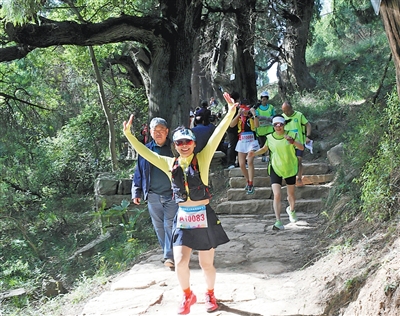
Core Insights - The article highlights the booming tourism industry during the summer season, emphasizing the development of new tourism experiences that cater to diverse consumer needs while protecting natural resources. Group 1: Tourism Development - Various regions are creating new tourism experiences such as ancient path hiking, desert stargazing, and grassland camping to attract visitors and invigorate summer consumption [1] - The ancient Shu Road in Sichuan has developed four themed hiking routes, integrating natural and cultural elements, which has attracted over 600,000 visitors since its launch in September 2023 [5] - Ningxia's desert stargazing experience is enhanced by its geographical advantages, with nearly 300 clear nights per year, making it an ideal location for stargazing [6][7] Group 2: Economic Impact - The tourism sector in Ningxia saw a significant increase, with 18.5 million visitors and a total tourism consumption of 11 billion yuan last year, both showing over 20% growth [7] - Ulanqab City in Inner Mongolia received over 22.3 million visitors last year, marking an 84% increase, driven by the development of camping experiences [9] - The integration of local cultural elements and natural attractions is expected to further boost the tourism economy in these regions [5][9]
暑期旅游,解锁更多玩法(大数据观察·暑期消费)
Ren Min Ri Bao· 2025-08-06 22:49
Core Viewpoint - The article highlights the development of tourism in various regions of China, focusing on unique experiences that combine natural beauty and cultural heritage, thereby stimulating consumer spending during the summer season [7][11][13]. Group 1: Tourism Development in Sichuan - The ancient Shu Road in Jianmen Mountain, Sichuan, has become a popular hiking destination, attracting over 600,000 visitors since its launch in September 2023 [11]. - Jianmen County has created four themed hiking routes, integrating natural and cultural elements, allowing visitors to engage with local history and legends [10]. - The initiative promotes ecological protection alongside tourism development, with visible efforts in waste management and environmental education [10][11]. Group 2: Stargazing Tourism in Ningxia - The starry sky experience in the Tengger Desert, Ningxia, has drawn tourists, with the region's high altitude and clear skies making it ideal for stargazing [12][13]. - The local government has developed facilities like the Star Hotel and camping sites to enhance the stargazing experience, while also implementing measures to protect the viewing conditions [12]. - In 2022, the city received 18.5 million visitors, with tourism revenue reaching 11 billion yuan, reflecting a growth of over 20% [13]. Group 3: Camping Tourism in Inner Mongolia - The Ulanqab region in Inner Mongolia has seen a rise in camping tourism, leveraging its unique volcanic landscapes and grasslands to attract visitors [14][15]. - Local authorities are encouraging farmers to establish eco-friendly camping sites, promoting sustainable tourism practices [15]. - In 2022, Ulanqab welcomed over 22.3 million tourists, marking an 84% increase from the previous year, indicating a strong growth in the camping sector [15].
“无痕山林”应成为共识与自觉
Jing Ji Guan Cha Bao· 2025-05-29 08:24
Core Viewpoint - The articles highlight the growing concern over the environmental impact of outdoor activities, particularly in the mountainous regions near Beijing and Hebei, emphasizing the need for responsible interaction with nature and the adoption of "Leave No Trace" principles to preserve the ecosystem [1][2][3]. Group 1: Environmental Impact of Outdoor Activities - The influx of outdoor enthusiasts during peak seasons has led to overharvesting of wild leeks in the mountainous areas, causing significant ecological strain on the fragile alpine meadows [1]. - The concept of "打野" (wild foraging) is criticized for misrepresenting true outdoor culture, as it promotes unsustainable practices that harm the natural environment [1]. Group 2: Leave No Trace Principles - The "Leave No Trace" principles are outlined, emphasizing the importance of planning, respecting wildlife, and minimizing human impact on natural settings [2]. - Common violations of these principles include littering, damaging flora, and disturbing wildlife, indicating a widespread lack of environmental awareness among outdoor enthusiasts [2]. Group 3: Awareness and Education - There is a need for increased public awareness and education regarding the ecological consequences of outdoor activities, as many individuals are unaware of their impact on the environment [2][3]. - The tragic incident of a young girl who perished in the wilderness serves as a reminder of the risks associated with outdoor activities and the importance of understanding one's limitations and the environment [3].