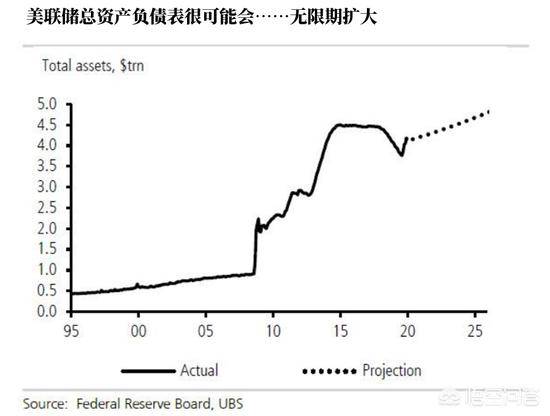
无限量QE

Search documents
晓数点丨第17任美联储主席出炉!凯文·沃什是谁?
Di Yi Cai Jing· 2026-01-30 17:42
Group 1 - Kevin Warsh, born on April 13, 1970, in Albany, New York, is a member of the Republican Party and served as the 17th member of the Federal Reserve Board [1] - His professional experience includes roles from 1995 to 2002 and from 2011 to the present [3] - Warsh is married to Jane Lauder, the heir of the Estée Lauder Companies [4] Group 2 - Jerome Powell, the 16th Chair of the Federal Reserve, has been in office from February 2018 to May 2026 [4] - Key policy actions during Powell's tenure include four interest rate hikes in 2018, the first rate cuts in a decade in 2019, and emergency measures in 2020 that included lowering rates to 0-0.25% and launching unlimited quantitative easing [4] - From 2021 to 2023, Powell's aggressive tightening measures included starting tapering in late 2021, initiating a rate hike cycle in March 2022 with a cumulative increase of 525 basis points, and beginning quantitative tightening in June 2022 [4]


美联储无限量QE和购买大量债券会导致美联储破产吗?
Sou Hu Cai Jing· 2025-11-27 14:43
Group 1 - The Federal Reserve's unlimited quantitative easing (QE) and bond purchases aim to increase global liquidity and share the crisis burden, with a focus on stabilizing the credit market rather than the stock market [1][3] - Prior to March 23, the U.S. bond market faced significant issues, with both junk and investment-grade bonds experiencing sharp declines, leading to massive redemptions and forced liquidations by fund managers [1] - The U.S. bond market serves as a global asset anchor, and instability in this market could lead to severe liquidity issues, impacting the potential for stock market recovery [1] Group 2 - The Federal Reserve will never go bankrupt, as its implementation of unlimited QE and extensive bond purchases represents a balance sheet expansion rather than a need for actual cash [3] - The Federal Reserve's market operations do not require cash payments; instead, they involve balance sheet entries, allowing for theoretically unlimited expansion of the balance sheet [3] - As of March 2020, the Federal Reserve's balance sheet expanded from $3.8 trillion to $4.36 trillion, reflecting the scale of its asset purchases [3]