
景区创新服务

Search documents
暖心兜底服务,再相约!一张“未来门票”吸引“回头客”赢得口碑
Yang Shi Wang· 2025-10-11 03:04
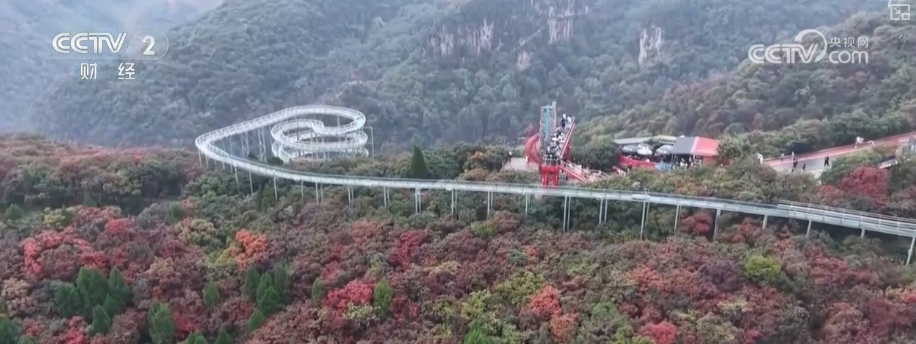
Core Insights - Recent heavy rainfall in Shandong has negatively impacted tourist experiences, prompting scenic spots to introduce "sunny day insurance" to attract visitors back [1][3] Group 1: Sunny Day Insurance Initiative - The Hongye Shiyan Scenic Area in Zibo, Shandong, launched "sunny day insurance," allowing visitors who experienced rain during the National Day holiday to revisit the site for free in October to enjoy the autumn foliage [3][7] - During the National Day holiday, the Hongye Shiyan Scenic Area distributed 130,000 "sunny day insurance" tickets, with an expected return visit rate of 40% [7] Group 2: Extended Offers - The Yimeng Mountain Guimeng Scenic Area in Linyi, Shandong, also introduced "sunny day insurance," allowing visitors to use their tickets for a free revisit on any day before September 30, 2026, providing a longer validity period of one year [10] - Over 50,000 "sunny day insurance" tickets were distributed by the Yimeng Mountain Guimeng Scenic Area during the holiday [10] Group 3: Visitor Sentiment - Tourists expressed appreciation for the "sunny day insurance," feeling that the opportunity to revisit the scenic area for free within a year added value to their trip [5][13]

创新服务提升游客体验
Jing Ji Ri Bao· 2025-06-10 00:15
Core Insights - The article discusses innovative service strategies implemented at tourist attractions to alleviate congestion during peak seasons, highlighting the successful case of Tianjin's Five Avenues area [1][2] - It emphasizes the importance of integrating technology and human-centered approaches in enhancing visitor experiences and managing crowd flow effectively [2] Group 1: Innovative Service Strategies - Tianjin's Five Avenues has established a "police-civilian linkage" mechanism with over 200 volunteers providing personalized services, resulting in a 30% reduction in average visitor stay time and a 62% decrease in traffic complaints [1] - The article notes that historical and cultural districts can enhance their reception capacity through service optimization while preserving their historical character [1] Group 2: Technology and Management - The article highlights the role of digital transformation in service innovation, with technologies like 5G and big data enabling real-time monitoring, smart route recommendations, and precise information delivery [1] - It mentions the example of Sichuan's Jiuzhaigou Scenic Area, which has implemented a comprehensive management system to handle peak visitor times effectively [1] Group 3: Challenges and Recommendations - Some attractions still struggle with service supply during peak times, indicating a need for emergency mechanisms to shift from passive responses to proactive management [2] - Recommendations include establishing a visitor flow warning system, training versatile service teams, and creating a comprehensive emergency response framework to manage visitor fluctuations effectively [2] Group 4: Human-Centered Approach - The article stresses the importance of human care in service innovation, suggesting that measures like temporary rest areas and increased convenience services can significantly enhance visitor experiences [2] - It argues that the competition in the cultural tourism sector is fundamentally about service experience, with a focus on integrating technological innovation and human care to gain a lasting advantage [2]