智慧长江

Search documents
长江左岸科创成果长出产业链
Chang Jiang Ri Bao· 2026-01-16 01:05
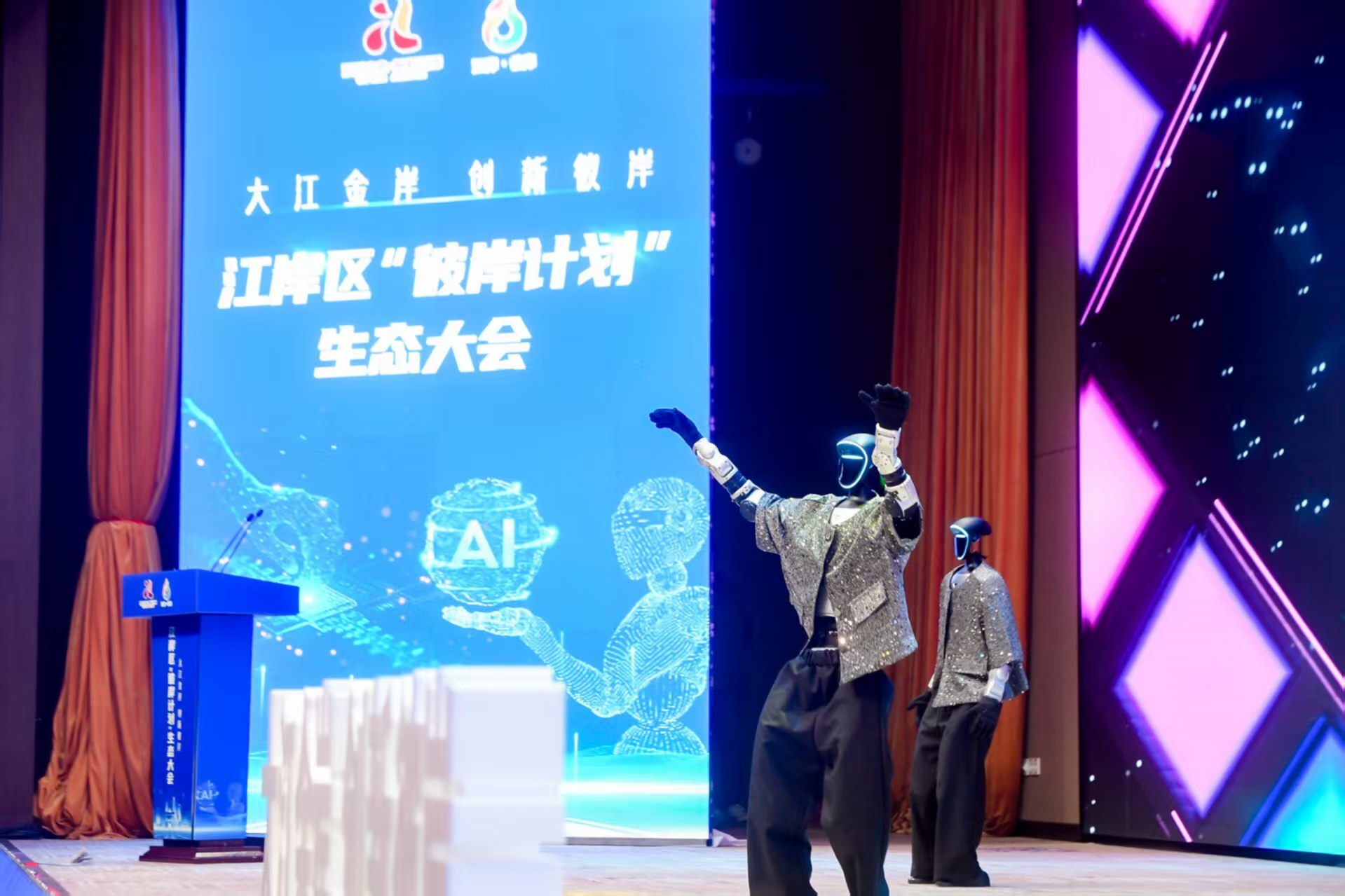
Core Insights - The "Bihai Plan" ecological conference held in Jiang'an District emphasizes the integration of technological and industrial innovation, showcasing new policies and funding initiatives aimed at enhancing ecological and digital industries [1][4] Group 1: Conference Highlights - The conference featured the release of four major water management application scenarios by four national-level organizations, alongside the introduction of new digital industry policies and two industrial funds [1][5] - A focus on creating a "smart Yangtze" vision was presented, with advancements in intelligent monitoring systems for water management and the integration of AI in shipping and ecological monitoring [5][10] Group 2: Economic Development - Jiang'an District aims to establish a green ecological economy centered on water management, with numerous high-quality application scenarios ready for development [5][11] - By 2025, the district plans to have established 32 water management platforms and attracted 88 ecological economy enterprises, generating over 40 billion in annual revenue [8][11] Group 3: Innovation and Collaboration - The "Bihai Plan" has successfully attracted various innovative enterprises, including the AI analysis platform developed by Sanxia High-Tech, which is expected to generate 300 million in revenue by 2025 [6][8] - Collaboration with local universities has led to the establishment of a graphene industry chain, with significant potential for growth in the future [9][10] Group 4: Support for Startups - Jiang'an District has initiated a "seed enterprise" program, providing financial support and resources to emerging tech companies, with 30 seed enterprises already selected [11][12] - The district's innovation investment fund, exceeding 1 billion, aims to stimulate the entire lifecycle of enterprises from inception to growth [12][14]

今年前7个月长江干线港口货物吞吐量超23亿吨 长江黄金水道发展活力强劲
Yang Shi Wang· 2025-08-08 08:50
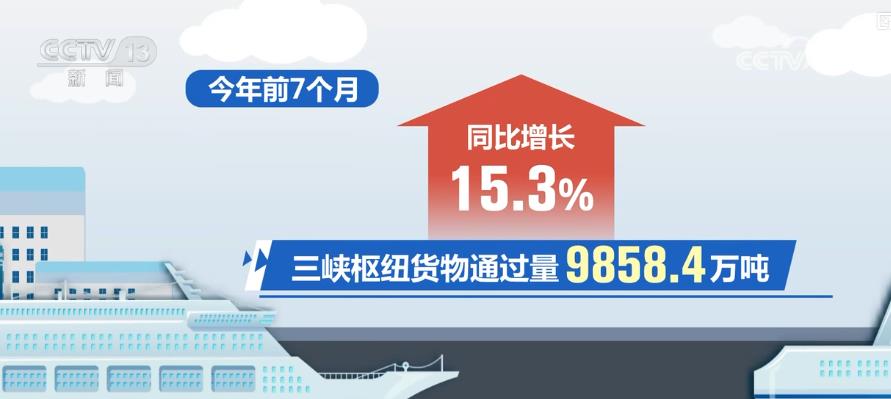
Group 1 - The core viewpoint is that the Yangtze River's cargo throughput has shown strong growth, with a total of 2.34 billion tons expected from January to July, representing a year-on-year increase of 4.8% [1] - The Three Gorges Hub has seen a cargo throughput of 9.8584 million tons in the first seven months, marking a year-on-year growth of 15.3% [3] - The Yangtze River Navigation Center has guided 35,000 vessels, an increase of 2.4% compared to the previous year [3] Group 2 - The construction of a smart Yangtze River is accelerating, with collaborative mechanisms established among regions such as Jiangsu, Anhui, and Chongqing, enhancing cross-regional credit governance [5] - The electronic navigation chart covering 5,606 kilometers has been implemented, further supporting the economic development along the Yangtze River [5] Group 3 - A unified open market has been established with the launch of the "Yangtze River Ship Capacity Renewal Service System," providing comprehensive services for ship scrapping and renewal [7] - The green shipping system is improving, with the "Yangtze New Energy Clean Energy Ship Monitoring and Service" system operating efficiently, and shore power usage by ships at ports reaching 12.8628 million kilowatt-hours, a year-on-year increase of 22% [7]