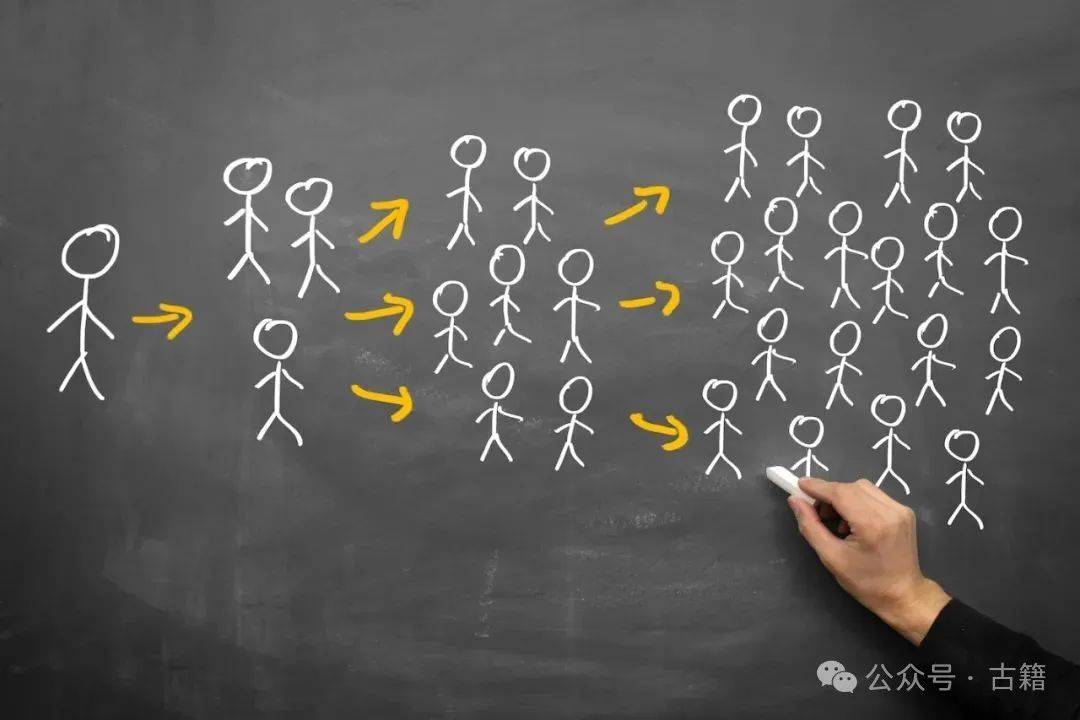
替罪羊机制

Search documents
贾国龙凭什么 | Findme
投中网· 2026-01-16 09:13
Core Viewpoint - The article discusses the concept of the scapegoat mechanism as explained by René Girard, highlighting how individuals like Jia Guolong become scapegoats in modern society, reflecting broader social conflicts and desires for validation [5][8][10]. Group 1: Scapegoat Mechanism - The scapegoat mechanism allows a community to channel internal violence towards a symbolic victim, temporarily resolving conflicts and restoring order [8]. - Jia Guolong is identified as a contemporary scapegoat, representing the phenomenon where social media users collectively target individuals, reflecting a "war of all against all" in modern society [10]. Group 2: Mimetic Desire - Mimetic desire is described as a social construct where individuals develop desires based on what others want, leading to competition and conflict over scarce resources [9]. - The article suggests that this competition often results in violence, necessitating the identification of a scapegoat to alleviate societal tensions [9]. Group 3: Historical Context and Solutions - The concept of the scapegoat originates from religious texts, specifically the Bible, where a goat is sacrificed to carry away the sins of the people [11]. - The article questions whether political or ideological reforms can effectively address the issues arising from the scapegoat mechanism, suggesting that historical attempts at reform have often failed [12].


硅谷“新教父”的野心:彼得·蒂尔重写人类欲望算法
阿尔法工场研究院· 2025-10-10 00:07
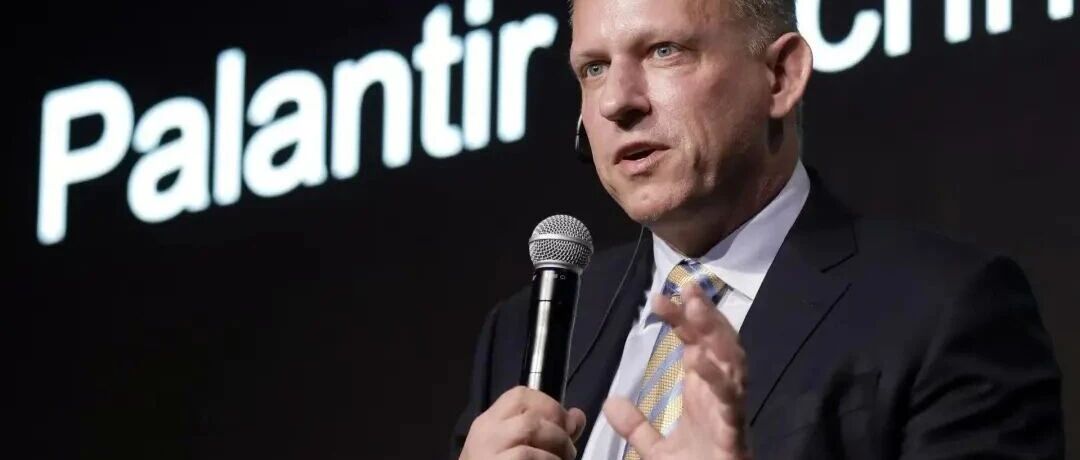
Core Insights - Peter Thiel's philosophy is rooted in René Girard's theories, particularly the concepts of mimetic desire and scapegoating, which he applies to both business and political strategies [11][14][19] - Thiel advocates for "creative monopolies" as a means to escape destructive competition, emphasizing the importance of innovation over imitation in business [31][32][30] Group 1: Background and Influences - Peter Thiel co-founded The Stanford Review in 1987 as a response to the cultural shifts at Stanford University, aiming to challenge prevailing progressive ideologies [7][5] - Thiel's worldview was shaped by his engagement with Girard's theories, which he encountered through a reading group led by Robert Hamerton-Kelly [10][14] Group 2: Girard's Theories - Girard's first revelation is that human desire is fundamentally mimetic, meaning that individuals desire what others desire, leading to competition and conflict [16][14] - The second revelation involves the scapegoat mechanism, where societies project their internal conflicts onto a chosen victim to restore order [19][20] - Girard's interpretation of biblical texts reveals the truth about scapegoating, suggesting that the innocent victim is often blamed while the true perpetrators remain hidden [23][20] Group 3: Thiel's Political Philosophy - Thiel's political philosophy evolved post-9/11, where he began to see the need for decisive leadership in times of crisis, influenced by the works of Leo Strauss and Carl Schmitt [26][27] - He argues that the Enlightenment's view of human nature as rational is flawed, and that crises reveal the violent and irrational aspects of humanity [27][26] Group 4: Business Applications - Thiel's business strategy, articulated in "Zero to One," emphasizes avoiding competition by creating unique products that do not have direct rivals [30][31] - His management practices at PayPal involved radical differentiation among employees to minimize internal competition and foster collaboration [34][33] Group 5: Paradoxes and Critiques - Thiel's investment in Facebook represents a paradox, as he leveraged the platform's mimetic nature while advocating against imitation in business [36][37] - Critics argue that Thiel's application of Girard's theories is more engineering-focused, lacking the ethical and compassionate dimensions inherent in Girard's work [40][41]


严肃话题悄然消亡,垃圾内容走红传播,为什么?
Sou Hu Cai Jing· 2025-06-01 17:18
Group 1 - The internet, initially seen as a platform for free information exchange, has become a vehicle for the spread of misinformation and harmful content due to the demand side of bad information being overlooked [1][3] - The overwhelming amount of information available online has led individuals to rely on cognitive shortcuts, prioritizing cultural identity and group belonging over rational judgment [3][8] - The "scapegoat mechanism," as theorized by René Girard, explains how societies channel collective violence and tension towards outsiders or minorities to restore order and unity [6][8] Group 2 - The dynamics of information dissemination have shifted, with emotional and identity-driven content gaining precedence over complex and valuable ideas, leading to a rise in "antimemes"—important ideas that are difficult to spread [11][12] - Users are increasingly retreating to private, low-risk communication environments, seeking safety from the aggressive and volatile nature of public discourse on the internet [13][15] - The transformation of the internet from a marketplace of ideas to a battleground of opinions has profound implications for public discourse and the ability to address significant societal issues [13][15]