
最近发展区理论

Search documents
有一种善良,是“不说”|链筑无障碍
Xin Lang Cai Jing· 2026-02-22 06:38
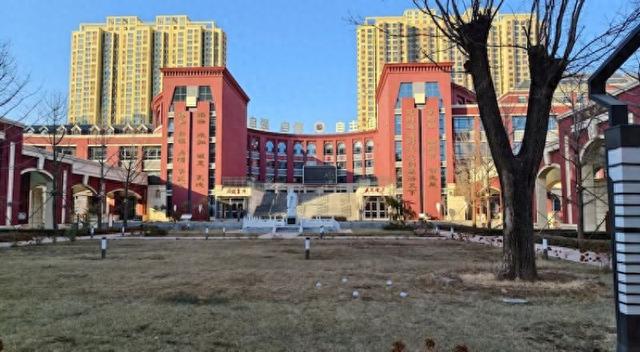
Core Viewpoint - Educational equity is the foundation of social equity, and special education is a crucial guarantee for educational fairness. The recent emphasis on "strengthening the inclusive development of special education" marks a new phase in the education of disabled individuals in China [2]. Group 1: Special Education Initiatives - The Tongda School in Hebei has implemented a policy to waive tuition and accommodation fees for outstanding students from families with one or both parents being disabled and facing financial difficulties. This policy is communicated informally during the enrollment process [3][4]. - The school collaborates with the local Disabled Persons' Federation to establish a special scholarship fund, donating a certain amount annually to support disabled families in the city [3]. Group 2: Educational Philosophy and Practices - The school emphasizes the importance of nurturing compassion and understanding in students, encouraging them to help those in need without seeking recognition. This approach is reflected in the experiences shared by students and their families [5][8]. - Activities such as visiting disabled veterans and conducting experiential learning exercises help students develop empathy and a deeper understanding of the challenges faced by disabled individuals [6][7]. Group 3: Broader Context of Special Education in China - By 2025, the enrollment rate of disabled children in compulsory education is projected to reach 97%, with over 100,000 disabled university students and 2,396 special education schools established across the country [11]. - The focus on emotional education and the development of a caring relationship between teachers and students is essential for fostering an inclusive educational environment [9].

家长一路呵护 孩子未来能独自面对风雨吗?
Bei Jing Qing Nian Bao· 2025-11-12 01:13
Core Viewpoint - The article discusses the psychological implications of overprotective parenting, emphasizing that excessive protection can hinder children's ability to develop independence and resilience [1][2][3] Group 1: Expert Opinions - A psychologist highlights the paradox of overprotective parenting, stating that the more parents try to eliminate risks for their children, the less capable the children become in handling challenges [1] - The concept of "scaffolding" in child development suggests that children need to bridge their current abilities with potential ones through independent experiences, rather than relying on parents to solve problems for them [1] - Overprotective behavior can trap children in their comfort zones, preventing them from reaching their growth potential [1] Group 2: Recommendations for Parents - Parents should learn to "let go" and allow children to take responsibility for small tasks, fostering independence [2] - It is important to allow children to "trial and error," viewing mistakes as opportunities for growth rather than problems to be immediately solved [2] - Parents should reduce the tendency to do things for their children and instead encourage them to think independently by asking guiding questions [3] - Providing encouragement and recognizing effort, rather than just outcomes, helps build children's confidence and fosters a mindset that views failure as a growth opportunity [3]
三维协同实现思政教育一体化发展
Xin Hua Ri Bao· 2025-07-07 21:59
Group 1 - The core viewpoint emphasizes the need for new approaches and actions in the construction of ideological and political education in the context of the new era and new journey, guided by the goal of building a strong educational nation [1] - The integration of ideological and political education across different educational levels (primary, secondary, and higher education) is a systematic project that requires coordination of various stakeholders, core elements, key links, and important tasks [1][2] - The overall deployment and coordination of the integration system should strengthen ideological guidance and organizational leadership, ensuring that all participants share a unified vision and action plan [2] Group 2 - The vertical spiral connection should be designed based on educational and cognitive development principles, ensuring continuity and progressive development across different educational stages [3] - The educational goals and content should be systematically aligned, focusing on moral education in primary school, foundational ideology in middle school, political literacy in high school, and mission responsibility in university [3] - Different educational methods should be tailored to the age characteristics and cognitive levels of students at each stage, utilizing experiential learning in primary school and deep learning in higher education [3] Group 3 - The horizontal collaborative optimization involves integrating educational elements and resources at the stage level into specific implementation plans for educational processes [4] - The educational process should include the integration of goals, subjects, content, and methods, based on national and societal requirements for ideological education [4] - A collaborative educational ecosystem should be established by integrating various educational platforms and resources, promoting a comprehensive approach to ideological and political education [4]