
有机更新

Search documents
故宫周边院落申请式退租及恢复性修建二期项目正式启动
Xin Jing Bao· 2025-10-16 05:29
Core Viewpoint - The project for the application-based rental withdrawal and restoration in the vicinity of the Forbidden City has officially commenced, focusing on the preservation and renovation of historical courtyard areas [1][2] Group 1: Project Overview - The project area includes six main streets and 24 alleys in three communities: Yinzha, Zhide, and Nanchizi, bounded by significant streets and landmarks [1] - The implementation of the project will be determined based on the residents' willingness to withdraw from their courtyards [1] Group 2: Compensation Methods - Two compensation options are available for residents: "monetary compensation" and "housing subsidy + designated resettlement housing" [1] - Monetary compensation will be calculated based on assessments from professional evaluation agencies to ensure fairness and transparency [1] - Residents opting for the housing subsidy will receive special purchasing support and will be allocated designated resettlement housing, primarily in quality housing projects in Chaoyang and Tongzhou districts [1] Group 3: Restoration Approach - The project adheres to the concept of organic renewal, aiming for systematic courtyard withdrawal to lay the groundwork for subsequent restoration [2] - Restoration will follow strict guidelines, utilizing original materials and techniques or new technologies that harmonize with the historical aesthetic [2] - The renovated spaces will incorporate cultural displays, community services, and vibrant industries, enhancing the quality of life and preserving cultural heritage [2]
部委点赞的深圳城中村:“没有大拆大建,也能变城市亮点”
Di Yi Cai Jing· 2025-09-11 01:27
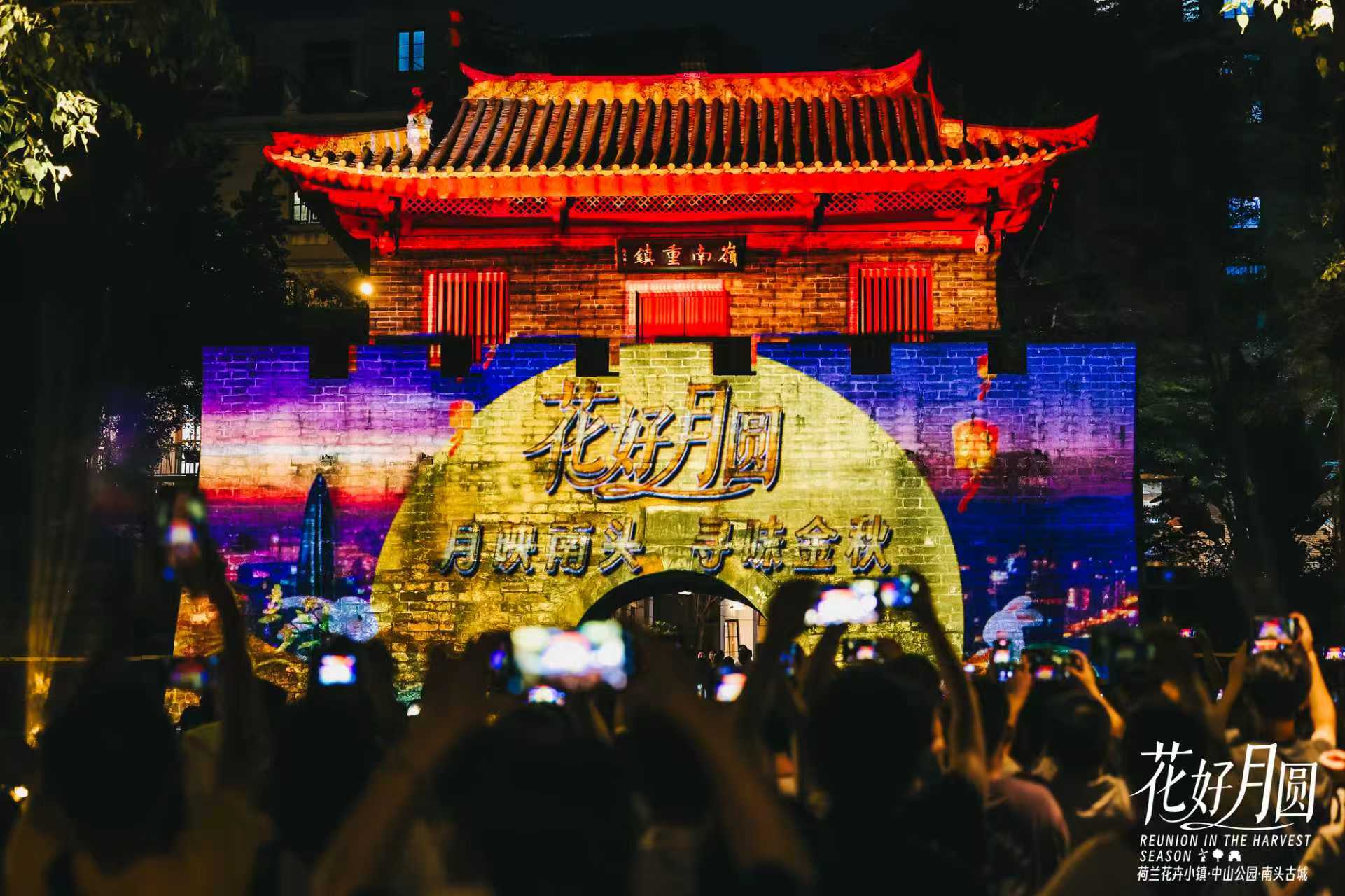
Core Viewpoint - The transformation of Shenzhen's Nanto Ancient City exemplifies a successful model of urban renewal that integrates historical preservation with modern development, achieved through a market-oriented approach and collaborative efforts among government, enterprises, and local communities [1][13]. Group 1: Urban Renewal Strategy - The Nanto Ancient City, originally a village within the city, has been revitalized without large-scale demolition, focusing on optimizing spatial structure and usage to enhance its value as a cultural and tourism hotspot [1][4]. - The project emphasizes organic renewal, respecting historical culture while improving living conditions and creating a multi-cultural community [1][5]. - The transformation process involved a "micro-renovation" approach, preserving the original street layout and social structure, with only 30% of the area undergoing significant changes [5][11]. Group 2: Challenges and Solutions - The renovation faced challenges such as high population density, complex property rights, low-end industry types, and the need for cultural heritage protection [3][4]. - A multi-party cooperation mechanism was established, involving government leadership, enterprise implementation, and community participation to address these challenges effectively [6][11]. - The project utilized a "four-pronged" strategy of negotiation, design, construction, and communication to facilitate the renovation process [11][12]. Group 3: Economic and Cultural Impact - The revitalized Nanto Ancient City has become a vibrant cultural and leisure destination, attracting over 10 million visitors annually and generating significant economic activity [19]. - The project has successfully integrated diverse business types, including cultural exhibitions, creative offices, and specialty dining, fostering a dynamic community environment [16][17]. - Since its opening, the area has received 53 various honors, highlighting its achievements in cultural heritage activation and urban renewal practices [19].

百年高炉遇见未来世界
Bei Jing Ri Bao Ke Hu Duan· 2025-08-04 11:25
Core Viewpoint - The article highlights the transformation of the Shougang Industrial Park in Beijing from a steel production site to a modern cultural and recreational area, reflecting the city's modernization efforts and respect for industrial heritage [1] Group 1: Historical Context - The Shougang Industrial Park, once known as the "Ten-Mile Steel City," was a significant site for steel production, characterized by large smokestacks and the sounds of industrial activity [1] - The park's historical significance is emphasized through personal anecdotes, showcasing the memories of local residents who experienced its industrial glory [1] Group 2: Modernization Efforts - In 2010, steel production at the old factory site was completely halted to align with the capital's modernization needs [1] - The redevelopment strategy focuses on organic renewal, aiming to preserve the original industrial heritage while updating the functionality and space of the old factory buildings [1]
