本真美学

Search documents
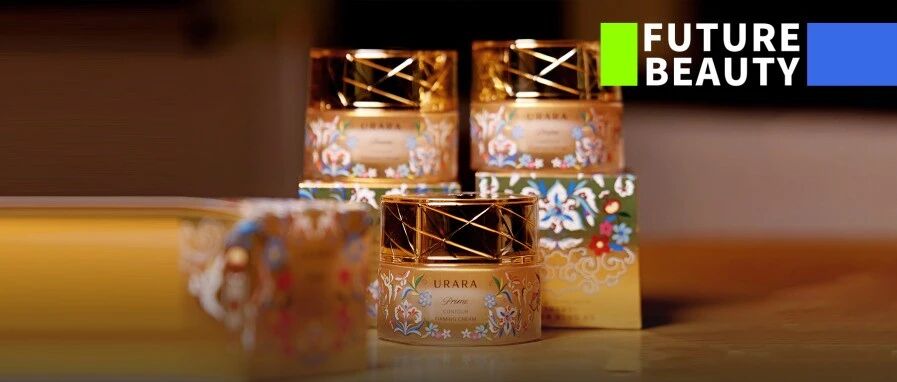
深度| 从马年非遗限定,透视悠莱的焕新“心法”
FBeauty未来迹· 2026-02-02 10:11
Core Viewpoint - The Chinese beauty market is experiencing an unprecedented "Renaissance," with international brands and leading domestic products competing in Spring Festival marketing to establish cultural resonance with Chinese consumers beyond mere product sales [3]. Group 1: Brand Strategy and Cultural Integration - Shiseido's brand URARA is leveraging the historical significance of the Tea Horse Road to reinterpret the role of the horse in Chinese culture, launching a limited edition product that integrates traditional craftsmanship with modern beauty concepts [5][8]. - URARA's marketing strategy is not just a seasonal campaign but a comprehensive brand practice aimed at answering how a brand can leverage top cultural IPs to refine its core values and establish an emotional moat in the competitive market [7][9]. - The collaboration with the national-level intangible cultural heritage inheritor Yang Huazhen aims to elevate the brand's cultural narrative and deepen its connection with consumers, moving beyond superficial cultural borrowing [9][10]. Group 2: Consumer Engagement and Experience - The "悠着莱茶铺" (Tea Shop) experience space in Chengdu is designed to create a deep cultural and product experience, aligning with the brand's philosophy of a slow and meaningful lifestyle [17][18]. - The immersive experience includes four thematic areas that guide visitors through cultural perception to product experience, effectively closing the loop between cultural engagement and product trust [19][21]. - The event features interactive elements that enhance consumer participation and emotional connection, such as fortune drawing and showcasing Yang Huazhen's embroidery works, which add cultural weight to the brand narrative [20][21]. Group 3: Market Positioning and Long-term Vision - URARA's approach reflects a shift from product-centric marketing to emotional resonance, addressing the evolving consumer mindset in lower-tier cities that values quality, emotional connection, and cultural identity [12][34]. - The brand's commitment to cultural heritage and sustainable practices positions it as a leader in the CS channel, emphasizing long-term relationships with consumers and partners [16][35]. - The collaboration with local cultural figures like Pu Baijia enhances the authenticity and emotional credibility of the brand's narrative, making it more relatable to the audience [14][36]. Group 4: Strategic Transformation and Future Outlook - The ongoing transformation of Shiseido's CS channel strategy is focused on consumer-centric business models, moving away from traditional sales approaches to deeper consumer engagement [32][34]. - URARA's initiatives are part of a broader strategy to redefine brand value, transitioning from being merely a skincare provider to an advocate for authentic beauty and a philosophy of a relaxed lifestyle [35][38]. - The brand's 20-year journey in the Chinese market demonstrates the importance of respecting channel dynamics, cultivating local culture, and building lasting connections with consumers for sustainable growth [38].

魔镜洞察:2025年,美妆人必须关注三大趋势
FBeauty未来迹· 2025-08-31 11:14
Core Viewpoint - The beauty and skincare industry experienced a subtle performance in the first half of 2025, with sales increasing by 10.1% year-on-year, indicating a shift in market dynamics towards lower-priced skincare and a rapid rise of mid-tier brands, while high-end brands maintained steady growth [3][5]. Group 1: Market Performance - The beauty and skincare market achieved a sales figure of 235.23 billion yuan in the first half of 2025, with a year-on-year increase of 10.1%, and a volume of 2.564 billion units sold, up by 5.5% [5]. - The low-price segment of the beauty market saw a market share increase of 0.5%, while the skincare market's segment of products priced at 100 yuan and below grew by 3.9% [7]. - The top 10 brands' sales increased by 3.3%, but their market share decreased by 1.0%, while mid-tier brands expanded their market share by 2.1% and saw a sales increase of 7.5% [7]. Group 2: Trends in Anti-Aging Products - The total sales of anti-aging products reached 65.49 billion yuan, reflecting a year-on-year increase of 30.3%, with significant attention on these products across social media platforms [12]. - The demand for anti-aging products has transcended age barriers, with younger consumers (25+) increasingly aware of anti-aging needs, and male consumers showing an 83.7% year-on-year increase in interest [15]. - The anti-aging market is expanding into new consumer demographics, including lower-tier cities, indicating a broadening appeal [15]. Group 3: Shifts in Makeup Trends - The concept of "naked makeup" has evolved into "authentic aesthetics," shifting consumer logic from concealing flaws to expressing individuality [4][27]. - The sales of products that combine makeup and skincare saw a year-on-year growth of 94.3%, indicating a rising consumer demand for products that serve dual purposes [37]. - The beauty market is characterized by a strong consumer preference for natural looks and personalized expressions, with keywords like "high-end" and "natural" dominating discussions [25]. Group 4: Brand Performance - L'Oréal remains the market leader with a sales figure of 5.34 billion yuan, showing a slight increase of 0.3%, while the brand La Mer experienced the highest growth among the top 10, achieving a 27.3% year-on-year increase [8]. - The brand Kiehl's saw a remarkable growth of 204.5% in the first half of 2025, driven by innovative marketing strategies and product offerings [10]. - Lancôme and La Mer maintained steady growth, while Helena Rubinstein's flagship products saw a decline in sales by 17.2% [21].