
品牌价值重构

Search documents
深度| 从马年非遗限定,透视悠莱的焕新“心法”
FBeauty未来迹· 2026-02-02 10:11
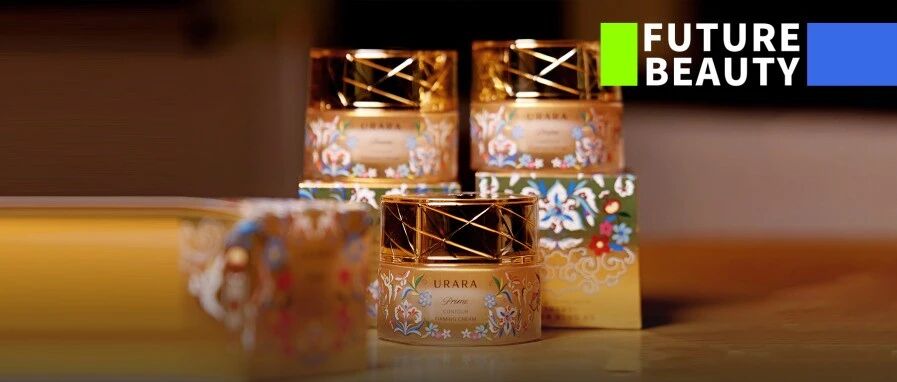
Core Viewpoint - The Chinese beauty market is experiencing an unprecedented "Renaissance," with international brands and leading domestic products competing in Spring Festival marketing to establish cultural resonance with Chinese consumers beyond mere product sales [3]. Group 1: Brand Strategy and Cultural Integration - Shiseido's brand URARA is leveraging the historical significance of the Tea Horse Road to reinterpret the role of the horse in Chinese culture, launching a limited edition product that integrates traditional craftsmanship with modern beauty concepts [5][8]. - URARA's marketing strategy is not just a seasonal campaign but a comprehensive brand practice aimed at answering how a brand can leverage top cultural IPs to refine its core values and establish an emotional moat in the competitive market [7][9]. - The collaboration with the national-level intangible cultural heritage inheritor Yang Huazhen aims to elevate the brand's cultural narrative and deepen its connection with consumers, moving beyond superficial cultural borrowing [9][10]. Group 2: Consumer Engagement and Experience - The "悠着莱茶铺" (Tea Shop) experience space in Chengdu is designed to create a deep cultural and product experience, aligning with the brand's philosophy of a slow and meaningful lifestyle [17][18]. - The immersive experience includes four thematic areas that guide visitors through cultural perception to product experience, effectively closing the loop between cultural engagement and product trust [19][21]. - The event features interactive elements that enhance consumer participation and emotional connection, such as fortune drawing and showcasing Yang Huazhen's embroidery works, which add cultural weight to the brand narrative [20][21]. Group 3: Market Positioning and Long-term Vision - URARA's approach reflects a shift from product-centric marketing to emotional resonance, addressing the evolving consumer mindset in lower-tier cities that values quality, emotional connection, and cultural identity [12][34]. - The brand's commitment to cultural heritage and sustainable practices positions it as a leader in the CS channel, emphasizing long-term relationships with consumers and partners [16][35]. - The collaboration with local cultural figures like Pu Baijia enhances the authenticity and emotional credibility of the brand's narrative, making it more relatable to the audience [14][36]. Group 4: Strategic Transformation and Future Outlook - The ongoing transformation of Shiseido's CS channel strategy is focused on consumer-centric business models, moving away from traditional sales approaches to deeper consumer engagement [32][34]. - URARA's initiatives are part of a broader strategy to redefine brand value, transitioning from being merely a skincare provider to an advocate for authentic beauty and a philosophy of a relaxed lifestyle [35][38]. - The brand's 20-year journey in the Chinese market demonstrates the importance of respecting channel dynamics, cultivating local culture, and building lasting connections with consumers for sustainable growth [38].

从“流量驱动”到“价值创造” 从“营销内卷”向“品牌升维” 中国化妆品行业走好品牌价值重构之路
Zhong Guo Chan Ye Jing Ji Xin Xi Wang· 2025-07-08 00:10
Core Insights - The Chinese cosmetics market has surpassed 1 trillion yuan for two consecutive years, with domestic brands capturing 55.2% market share, yet the industry faces challenges of being "large but not strong" and declining brand value despite rising sales [1][2] - The "2025 China Cosmetics Brand Development Conference" highlighted the need for the industry to shift from "traffic-driven" to "value creation," marking a critical transition point [1][3] Industry Overview - China is the world's largest cosmetics consumer, showcasing vitality and potential, but is undergoing significant transformation challenges [2] - The "2025 Cosmetics Enterprise Top 50" report indicates that while Chinese brands hold 22 spots, their total retail sales account for less than 40%, with an average scale of 4.116 billion yuan, significantly lower than American brands [2][4] Brand Value and Innovation - The conference introduced a new evaluation system for Chinese cosmetics brands based on market performance, quality control, and brand accumulation, signaling a departure from the era of traffic competition [3][5] - L'Oréal China leads the "2025 Cosmetics Enterprise Top 50," emphasizing the importance of a "technology + culture + experience" framework for brand value enhancement, with over 3% of annual revenue allocated to R&D, exceeding 8 billion yuan [4][5] Strategic Directions - Discussions at the conference focused on reconstructing brand value, enhancing core competitiveness, and achieving sustainable growth through innovation, cultural empowerment, and user relationship management [5][6] - The Chinese cosmetics industry is urged to invest in R&D, explore cutting-edge technologies, and integrate cultural heritage into products to enhance quality and consumer trust [7] Data Standardization and Global Positioning - The establishment of the "China Cosmetics Industry Data Statistical Standards" aims to provide a solid data foundation for transitioning from a "cosmetics consumption powerhouse" to an "innovation-driven industry leader" [6][7] - The new standards will support scientific decision-making for both government and industry players, facilitating local brands' entry into the global value chain [6][7]

“第11届品牌强国论坛”聚焦数字时代品牌价值
Zhong Guo Xin Wen Wang· 2025-05-25 15:51
Group 1 - The 11th Brand Power Forum was held in Shenzhen, focusing on the reconstruction of brand value in the digital economy era, with over a hundred professionals from various sectors attending [1] - Key discussions included the enhancement of Chinese enterprise brand value in the digital age, emphasizing the importance of brands as a core component of national competitiveness and a measure of comprehensive national strength [1] - The Asia Brand Research Institute released the "2025 China Brand Top 500" list, highlighting Huawei, State Grid, and Industrial and Commercial Bank of China among the top ten for brand value and strategic innovation capability [1] Group 2 - A parallel roundtable forum titled "Brand RWA: Reconstructing Brand Value" was held, focusing on the application scenarios of Real World Assets (RWA) [2] - Experts discussed how brand asset tokenization can transform "brand credit + market value," enhancing asset liquidity and shifting users from "receivers" to "co-builders," thereby reconstructing the relationship between brands and consumers [2]