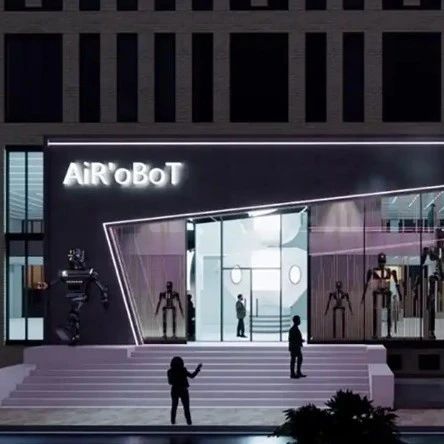
机器人体验店模式

Search documents
像卖车一样卖机器人?机器人体验店迎来爆发潮
机器人大讲堂· 2025-07-02 06:08
Core Insights - The article discusses the emergence of new retail models in the humanoid robot industry, focusing on the establishment of 4S stores and experiential stores to enhance sales and consumer engagement [1][15]. Group 1: 4S Store Models - Juwei Technology opened China's first humanoid robot 4S store in Hangzhou on June 30, covering 700 square meters and integrating product display, interactive experiences, after-sales maintenance, and roadshow collaboration [2]. - The store will initially focus on self-developed robotic dog products and plans to collaborate with traditional sectors like outdoor and luggage to create versatile applications such as "mobile luggage" and "mobile power supply" [2]. - The world's first humanoid robot 4S store is set to launch during the 2025 World Robot Conference in Beijing, aiming to create a comprehensive platform for humanoid robots that includes sales, spare parts supply, after-sales service, and feedback [7][8]. Group 2: Experiential Stores - Yushu Technology opened its first experiential store in Henan on July 1, emphasizing consumer interaction and hands-on experience with their robotic products [3][4]. - The store features the Go2 robotic dog, priced at 9,997 yuan, showcasing advanced capabilities like backflips and adaptive movements [3]. - Yushu plans to expand its market presence in Henan by collaborating with local enterprises and universities, focusing on applications in emergency services and public safety [4]. Group 3: Comprehensive Experience Platforms - Shoucheng Holdings announced a global recruitment plan for the first "robot comprehensive experience store," aiming to integrate display, sales, and professional services across various robot sectors [10]. - The initiative includes partnerships with over 50 robot companies, covering applications in healthcare, education, and urban operations, to accelerate product deployment and technology integration [10]. - The company also introduced a "robot capability list" and "demand list" to enhance collaboration across the industry [10]. Group 4: Online Sales Channels - JD.com has established a dedicated "smart robot business" department, signing contracts with over 30 humanoid brands to promote online sales [13]. - The platform features various models, including the PM01 robot priced at 188,000 yuan, which integrates advanced conversational capabilities [13]. - Despite the online sales push, many products still rely on pre-orders and consultations, indicating a need for improved sales support and user guidance [13]. Group 5: Future Trends - The article highlights a significant shift in the robot industry towards innovative retail models, drawing parallels with the automotive industry to create integrated sales and service experiences [15]. - These new retail formats aim to address key challenges in the robot market, such as high prices and the need for tangible product experiences, ultimately facilitating broader market adoption [15].