
机器人零工经济

Search documents
舞台表演、迎宾接待、直播带货……人形机器人开始“打零工”
Xin Lang Cai Jing· 2026-01-15 05:26
Core Insights - The humanoid robot rental market is transitioning from an exploratory phase to a large-scale application phase, driven by the emergence of multiple rental platforms and a growing demand for short-term rentals [4][9] - The rental model is lowering usage barriers and expanding application scenarios, which in turn is pushing for product optimization and service standardization within the industry [4][9] Rental Demand and Pricing - The "Qingtian Rental" platform offers various rental packages, with prices ranging from 2,500 yuan per day for birthday events to 13,300 yuan per day for corporate events [5][6] - The rental prices for humanoid robots have significantly decreased, with current daily rates for mainstream models ranging from 5,000 to 10,000 yuan, down from previous highs of 15,000 to 20,000 yuan [7][9] - The rental model typically includes a robot and an operational engineer, ensuring effective service delivery [7][9] Market Trends and User Preferences - Over 95% of current demand for humanoid robots comes from short-term rentals, primarily for corporate events and tourism activities [8][9] - The "Lingxi X2" model, known for its interactive and performance capabilities, is particularly popular among commercial clients [8] Industry Impact and Future Outlook - The humanoid robot rental market is projected to reach a scale of at least 10 billion yuan by 2026, indicating significant growth potential [9] - The rental model is fostering the emergence of specialized companies that manage robot procurement, operation, and delivery, creating a stable service intermediary between manufacturers and end-users [11] - The market is also influencing manufacturers to focus on specific application scenarios, leading to the development of specialized robots tailored for particular tasks [12][13] Long-term Rental Trends - There is a growing interest in long-term rental models, especially in sectors like dining and commercial services, where robots are used for interactive experiences [13] - As technology matures and costs decrease, humanoid robots are expected to transition from being "gig workers" to more permanent roles within various industries [13]


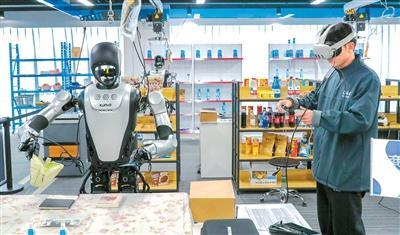
舞台表演、迎宾接待、直播带货——人形机器人开始“打零工”
Ren Min Ri Bao Hai Wai Ban· 2026-01-14 23:49
Core Viewpoint - The humanoid robot rental market is transitioning from an exploratory phase to a new stage of large-scale application, driven by the emergence of multiple short-term rental platforms, which lowers usage barriers and expands application scenarios [1][5]. Group 1: Rental Demand and Pricing - The "Qingtian Rental" platform offers humanoid robots for various events, with prices ranging from 2,500 yuan to 13,300 yuan per day depending on the service provided [2]. - The rental prices for humanoid robots have significantly decreased, with current daily rental rates for mainstream models ranging from 5,000 yuan to 15,000 yuan, down from previous highs of 15,000 to 20,000 yuan [3]. - The rental model typically includes a robot paired with a professional engineer for support, ensuring efficient logistics and technical assistance [3]. Group 2: Market Trends and User Preferences - Over 95% of the current demand for robots comes from short-term rentals, primarily for corporate events and cultural tourism, as clients prefer to enhance event impact rather than own robots long-term [4]. - The "Lingxi X2" humanoid robot, known for its interactive performance capabilities, is particularly popular in the rental market, with high demand for mid-to-high-end models [4]. Group 3: Industry Development and Future Trends - The humanoid robot rental market is projected to reach a scale of at least 10 billion yuan by 2026, indicating significant growth potential [5]. - The rental model is fostering a new wave of specialized companies that manage robot procurement, operation, and delivery, creating a stable service layer between manufacturers and end-users [8]. - The market demand is reshaping product development, with manufacturers focusing on specific application scenarios rather than generic humanoid robots, leading to the emergence of specialized robots tailored for particular tasks [8]. Group 4: Evolving Rental Models - The rental model is evolving from simple equipment leasing to comprehensive solutions that include robot operation, content creation, and safety management, exploring diverse revenue structures [9]. - Long-term professional rental markets are emerging, where service providers purchase robots in bulk and offer them at lower rental costs, indicating a trend towards both short-term and long-term rental options [9]. - As technology matures and costs decrease, humanoid robots are expected to enter more fields, transitioning from "gig workers" to "employees" in various applications [10].