权益矿

Search documents
铁矿石暗战升级!
Sou Hu Cai Jing· 2025-11-24 02:12
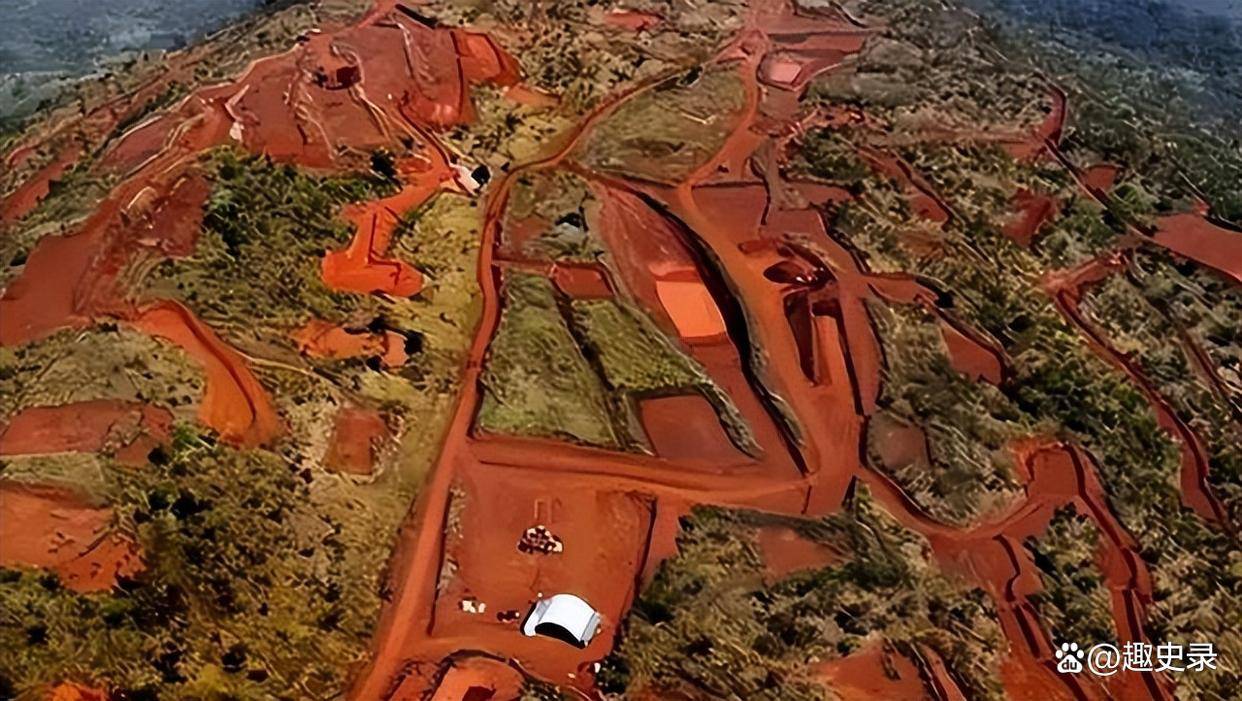
Core Insights - The rise of China's steel industry in the global iron ore market represents a significant shift in power dynamics, moving from a passive role to an active one in price negotiations [1][15] Group 1: Historical Context - In 2003, China became the world's largest iron ore importer, surpassing Japan with imports of 148 million tons [3] - From 2003 to 2008, iron ore prices experienced extreme volatility, with annual increases of up to 71.5%, leading to additional costs for China amounting to 700 billion RMB [3] - The number of companies with import licenses peaked at 523, leading to market chaos and price manipulation by agents [3][4] Group 2: Market Regulation and Price Negotiation - In 2005, the China Iron and Steel Association (CISA) reduced the number of licensed importers to 118, yet high prices persisted due to ongoing speculation [4] - The 2008 financial crisis caused a dramatic drop in demand, resulting in losses for many companies due to long-term contracts priced above spot market rates [4][6] - A significant bribery scandal involving a representative from Rio Tinto revealed the complexities of price negotiations and led to a shift in contracts towards more favorable terms for China [6][8] Group 3: Shift in Pricing Mechanism - Post-2010, China began using the Platts index for iron ore pricing, although this method faced criticism for not accurately reflecting the Chinese market [8] - By 2024, the Platts index was still high at $130/ton, while China's import costs were significantly inflated compared to mining costs in Australia [8][10] Group 4: Development of Equity Mines - China aims to increase its share of equity mines from 8% to over 20% by 2025, with significant projects like the Simandou iron ore project in Guinea [10][11] - The Simandou project is expected to produce 30 million tons annually by the end of 2026, contributing to a total of 300 million tons of equity mines, which will reduce reliance on traditional suppliers [11][12] Group 5: Currency and Trade Dynamics - In 2024, negotiations with BHP broke down over currency settlement, leading to a shift towards RMB settlements for iron ore trade, impacting 70% of global transactions [12][14] - Australia's iron ore export share to China decreased from 60% to 45%, with predictions of a $110 billion drop in export revenue by 2025 [14][15] Group 6: Future Outlook - The completion of the Simandou project and stable steel demand in China will pose challenges for Australian iron ore sales, potentially leading to lower prices [15] - The ongoing transformation in the iron ore market indicates a shift in power, with China gaining significant leverage in negotiations and pricing [15]