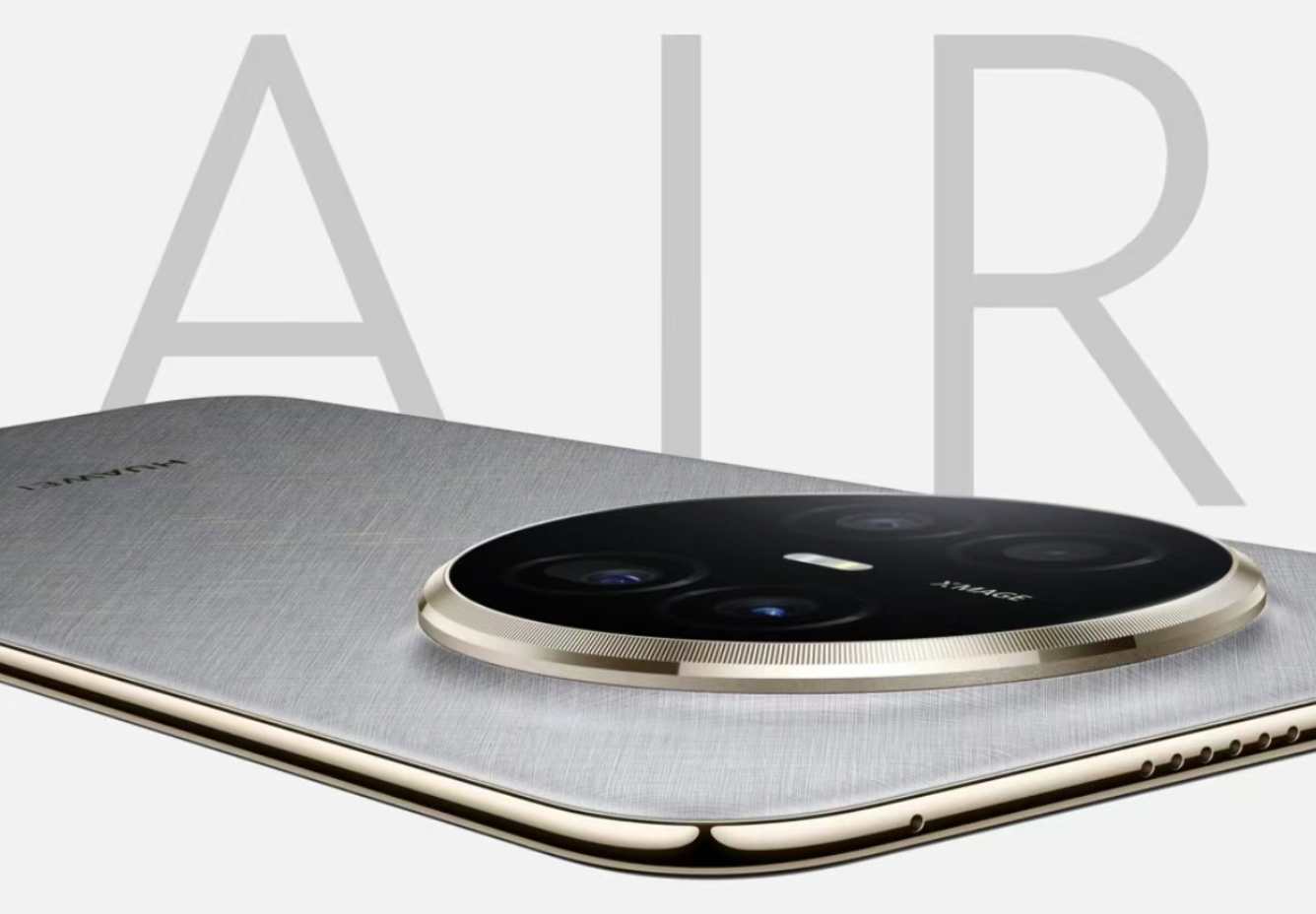
极致轻薄手机

Search documents
机圈“Air”大战,苹果已经折戟
Hua Er Jie Jian Wen· 2025-11-11 12:00
Core Viewpoint - The introduction of the "Air" smartphone trend, initiated by Apple's iPhone Air, has not met market expectations, leading to a delay in the next generation's release due to poor sales performance [2][3][4]. Group 1: Market Performance - Apple's iPhone Air, despite its innovative design, has seen disappointing sales, with initial sales in China reported at over 50,000 units during its first week [3]. - Analysts indicate that the demand for iPhone Air is lower than anticipated, resulting in supply chain reductions of over 80% by Q1 2026 [2][3]. - The iPhone Air's pricing starts at 7,999 yuan, which may contribute to its lackluster sales performance [5]. Group 2: Product Features and Competition - The iPhone Air is noted for its extreme thinness at 5.6 mm and weight of 165g, but compromises on battery life and camera capabilities [4][5]. - Competing brands like Samsung and Huawei have also launched their own "Air" models, with Huawei's Mate 70 Air focusing on balancing thinness with performance by offering a larger screen and better battery life [9][10]. - The trend of ultra-thin smartphones has attracted various manufacturers, but the overall market response has been tepid, with Xiaomi's president acknowledging the challenges of maintaining user experience with such designs [12][13]. Group 3: Future Outlook - The success of the "Air" smartphone segment will depend on finding a balance between lightweight design and practical usability [14]. - Current technological limitations make it difficult for ultra-thin smartphones to provide a satisfactory user experience, leading to skepticism about further market entries [13].


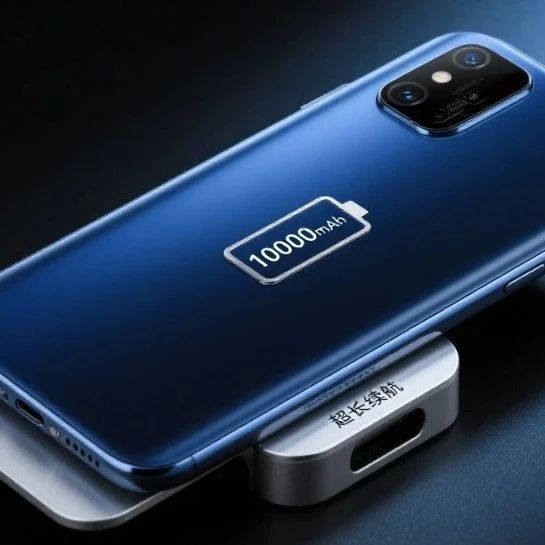
手机明年或进入10000mAh大电池时代,可以丢掉充电宝了
猿大侠· 2025-08-26 04:11
Core Viewpoint - The article highlights the rapid advancements in battery capacity among Chinese smartphone manufacturers, indicating a shift towards larger batteries and improved technology, with expectations of entering the 10,000mAh era soon [1][10]. Group 1: Current Battery Trends - As of May, the average battery capacity of smartphones in China is 5418mAh, which is 518mAh higher than other markets [1]. - Several Chinese brands are competing in the large battery segment, with models reaching 7000mAh and even 8000mAh in the first half of the year [5]. - A concept phone by Realme, featuring a 10,000mAh battery, has been showcased, indicating a trend towards higher capacity batteries while maintaining a slim profile [5][11]. Group 2: Future Developments - A 10,000mAh battery smartphone is expected to be mass-produced next year, marking a significant milestone in smartphone battery technology [3]. - Realme has teased a new model with a 15,000mAh battery, which could be unveiled in 2025, pushing the boundaries of battery capacity further [5][10]. Group 3: Technological Innovations - The use of silicon-carbon anode materials has significantly improved energy density, allowing for higher capacity batteries without increasing device thickness [11]. - This advancement in battery technology is expected to enhance overall performance and safety, reducing risks associated with overheating and short circuits [11]. Group 4: Market Dynamics - While Chinese manufacturers focus on increasing battery capacity, Apple is pursuing a different strategy by emphasizing ultra-thin designs, which may involve reducing battery size [12]. - Consumer preferences are split, with some valuing larger batteries for extended usage, while others prefer lighter devices, indicating a diverse market demand [14][15].