柔性屏幕

Search documents
苹果的“折叠屏矩阵”计划:一场「柔性」形态革命
3 6 Ke· 2026-02-04 03:49
Core Insights - Apple is reportedly preparing to launch its first foldable iPhone, the iPhone Fold, in the second half of 2026, followed by the iPhone Flip in 2027, as part of a broader "foldable matrix" strategy that will encompass its entire product line, including iPads and MacBooks [3][4][5][9]. Group 1: Product Launch Timeline - The first phase involves the iPhone Fold, a book-style device with an internal screen size of approximately 7.9 to 8 inches, aimed at blurring the lines between iPhone and iPad [6][8]. - The second phase will introduce the iPhone Flip in 2027, targeting fashion and portability, aligning with Apple's existing product segmentation [9][11]. Group 2: Technological Innovations - Apple is developing advanced flexible screen technologies, including a self-healing screen that can repair minor scratches and dents through a unique polymer material [15][16][17]. - Another innovation includes a flexible display with integrated heating elements to prevent screen brittleness in cold temperatures, ensuring durability in extreme conditions [21][25]. Group 3: Market Strategy - Apple's foldable strategy is designed to stimulate demand in a market where traditional smartphones are experiencing diminishing returns, particularly among users reluctant to upgrade from older models [37][38]. - The company aims to leverage its control over iOS, iPadOS, and macOS to ensure a seamless software ecosystem that adapts to the new foldable devices, enhancing user experience [38][39]. Group 4: Future Product Integration - The foldable MacBook, expected to be a 20.3-inch device, will merge the functionalities of iPads and MacBooks, potentially transforming the user interaction paradigm [13][30][34]. - This integration reflects Apple's strategy to create a cohesive ecosystem where devices share the same chip architecture and cloud data, ultimately enhancing user engagement within the Apple ecosystem [40][41].


新专利曝光,“手表”可变“手机”,卷轴拉伸设计
3 6 Ke· 2025-10-28 10:16
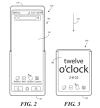
Core Insights - Motorola has recently applied for multiple patents related to flexible screen designs, allowing devices to transform into various forms such as a smartwatch, handheld device, or a folded display on a table, which opens new possibilities for smart hardware evolution [2][3][4] - The patents signify a breakthrough in children's smart hardware, particularly in the smartwatch segment, which is currently a core category in the market [2][16] Group 1: Patent Innovations - The patent titled "Electronic Devices Having Morphing Device Housings Allowing Wearable and Handheld Modes of Operation" was filed on August 21, showcasing a device that can adapt its display into multiple forms [3] - The "scrollable stretchable screen" can function as a smartwatch, and when detached, it extends to provide a smartphone-like reading experience [4][5] - The device includes features for adjusting screen size in real-time, enhancing user experience by providing both smartwatch convenience and large-screen visual capabilities [7] Group 2: Challenges and Solutions - The flexibility of the device introduces challenges, particularly regarding the flashlight function when worn on the wrist, necessitating specific orientation to avoid discomfort [8][10] - A new patent addresses these challenges by allowing the device to adjust flashlight output based on its orientation, ensuring effective use without causing glare [12] - Gesture-based controls for activating the flashlight enhance user experience, making the device more intuitive [12] Group 3: Market Potential for Children's Smart Hardware - The children's smartwatch market is projected to see sales of 8.637 million units in 2024, with a total revenue of 3.84 billion yuan, indicating strong demand [17] - Major players in the children's smartwatch market include Xiaotiancai, Xiaomi, and Huawei, which together hold a market share of 45.4% [18] - The evolution of flexible screens could transform smartwatches into comprehensive personal growth platforms for children, expanding their functionality beyond basic communication [19][16]