
核门槛国家

Search documents
最大核电站刚获批重启,日本一报废核反应堆出事故
Yang Shi Xin Wen· 2025-12-25 08:39
Core Viewpoint - The recent incident at a decommissioned nuclear reactor in Fukui Prefecture, Japan, which resulted in radioactive water leakage, coincided with the approval for the restart of the Kashiwazaki-Kariwa Nuclear Power Plant, leading to public discontent and concerns about Japan's strategic nuclear capabilities [1][6][10] Group 1: Incident Details - A radioactive water leak occurred at the "Fugen" reactor, which is currently undergoing decommissioning, with several individuals potentially exposed to radiation [1] - The Japanese Nuclear Regulation Authority confirmed that no internal radiation exposure was detected among workers, but investigations are ongoing regarding possible external exposure [1] - The Fugen reactor, which uses plutonium as fuel, has been out of operation since March 2003 and is in the process of being decommissioned [1] Group 2: Public Response and Opposition - The approval for the restart of the Kashiwazaki-Kariwa Nuclear Power Plant has sparked significant protests from local residents, with many expressing concerns over safety and the decision-making process [3][5] - Approximately 60% of residents in Niigata Prefecture believe that the conditions for restarting the plant are not yet met, and about 70% feel uneasy about the operator, Tokyo Electric Power Company [5] Group 3: Strategic Implications - Analysts suggest that Japan's recent nuclear activities, including the restart of the Kashiwazaki-Kariwa plant, indicate a covert expansion of its national strategic capabilities [6][10] - Japan is characterized as a "nuclear threshold state," possessing the ability to develop nuclear weapons rapidly due to its advanced nuclear materials and technology [9] - The government's actions are seen as a gradual erosion of the constraints imposed by Japan's "Three Non-Nuclear Principles," aiming to maintain a strategic position that allows for rapid nuclear armament if necessary [10]

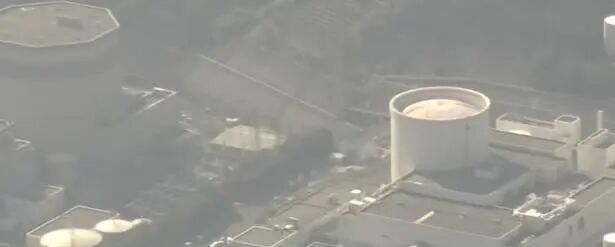
视频丨最大核电站刚获批重启 日本一报废核反应堆便出事故
Yang Shi Xin Wen Ke Hu Duan· 2025-12-24 00:05
Group 1 - A nuclear reactor undergoing decommissioning in Fukui Prefecture, Japan, experienced a leak of radioactive water, potentially exposing several individuals to radiation [1][3][6] - The reactor, known as "Fugen," has been out of operation since March 2003 and is currently in the decommissioning phase [3] - The incident coincided with the approval for the restart of the Kashiwazaki-Kariwa Nuclear Power Plant, Japan's largest nuclear facility, which has sparked significant public opposition [1][4][10] Group 2 - The Kashiwazaki-Kariwa Nuclear Power Plant, located in Niigata Prefecture, has a total installed capacity of approximately 8.212 million kilowatts, making it the largest in Japan [9] - A recent survey indicated that about 60% of local residents believe the conditions for restarting the plant are not yet adequate, and around 70% express concerns about the operator, Tokyo Electric Power Company [9] - The Japanese government, under Prime Minister Fumio Kishida, is perceived to be expanding its national strategic capabilities through nuclear initiatives, including the restart of nuclear power plants [10][14][16] Group 3 - Japan is characterized as a "nuclear threshold state," meaning it does not possess nuclear weapons but has the capability to develop them rapidly due to its extensive nuclear material stockpiles and advanced technology [11] - The recent actions regarding nuclear energy, including the restart of the Kashiwazaki-Kariwa plant, are viewed as a strategic expansion rather than merely an energy policy adjustment [14][16]
