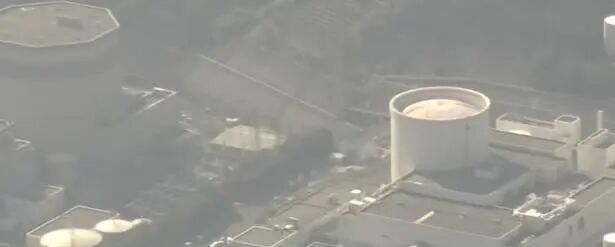
核电站

Search documents
伊朗核电站遭袭
财联社· 2026-03-18 06:06
Core Viewpoint - The article discusses a recent incident involving a projectile hitting the Bushehr nuclear power plant in southern Iran, emphasizing the lack of damage or casualties reported and the potential risks associated with military actions against nuclear facilities [1][2]. Group 1 - The International Atomic Energy Agency (IAEA) received a report from Iran regarding a projectile hitting the Bushehr nuclear power plant on the evening of the 17th, with no reports of damage or casualties [1]. - IAEA Director General Grossi urged all parties to exercise maximum restraint during the conflict to prevent the risk of a nuclear accident [2]. - The Iranian Atomic Energy Organization stated that such attacks violate international regulations prohibiting military actions against peaceful nuclear facilities and could lead to irreversible consequences [3].

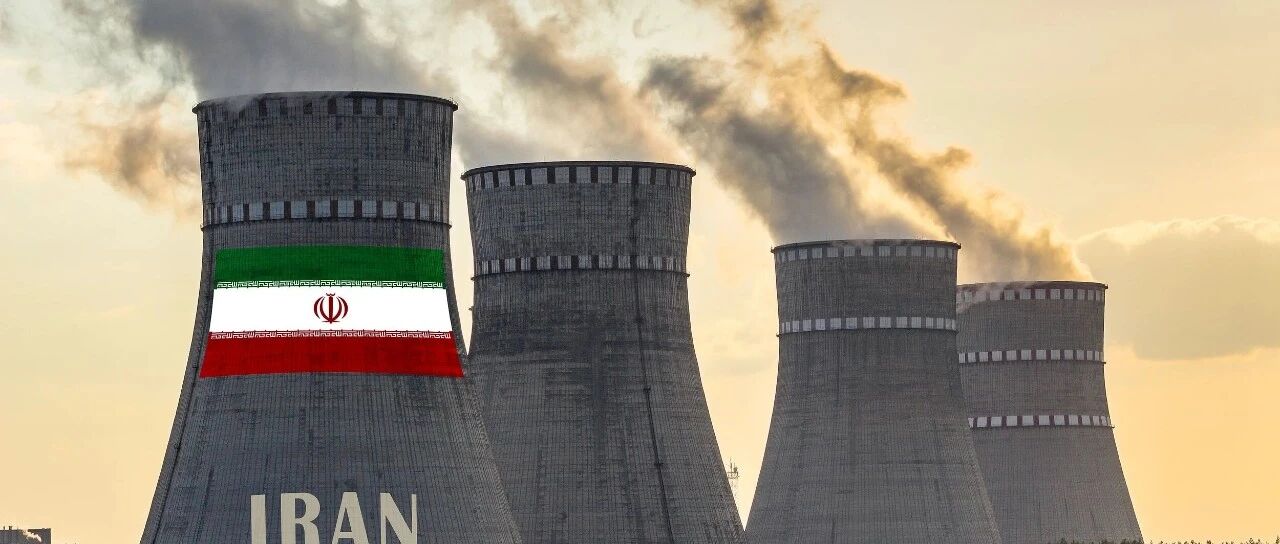
AI算力的终极瓶颈,竟然是电?能源缺口的破局之路在这里(附报告)
材料汇· 2026-03-06 11:58
Core Insights - The core argument of the article is that the rapid growth of AI computing power is hitting an invisible energy ceiling, with electricity demand outpacing supply, particularly for data centers, which are projected to require significant additional power by 2030 [1][20]. Group 1: AI Energy Demand and Supply Gap - AI computing power is experiencing exponential growth, with single server power consumption rising from 5-15 kW to 50-100 kW, leading to a projected electricity demand of 100 GW in the U.S. by 2030, of which 50 GW will be for data centers [20][21]. - The U.S. is expected to face a stable power supply gap of 78 GW by 2030, with only 22 GW of new stable power supply projected to be available [19][20]. - The mismatch in construction timelines, where data centers can be built in 18 months but power facilities take over 5 years, exacerbates the energy supply issue [20]. Group 2: Nuclear Power as a Solution - Major tech companies like Meta, Microsoft, Google, and Amazon are investing heavily in nuclear power, signing contracts worth a total of $74.5 billion to secure stable, zero-carbon energy for their operations [2][27]. - The shift towards nuclear power is driven by the need for a reliable energy source that can meet the continuous demands of AI data centers, as renewable sources like wind and solar cannot provide the necessary stability [20][27]. - The nuclear power sector is experiencing a renaissance, with a projected increase in global nuclear capacity from 377 GW in 2024 to between 561 GW and 992 GW by 2050, representing growth rates of 48.8% to 163.1% [7][13]. Group 3: Market Dynamics and Future Projections - The average age of existing nuclear reactors is over 30 years, leading to hidden demand for new installations to replace aging units, suggesting that actual demand may exceed current forecasts by over 30% [8]. - The global nuclear power market is expected to see a compound annual growth rate (CAGR) of over 20% for small modular reactors (SMRs), with a projected capacity of 300 GW by 2050 [69]. - The transition from traditional nuclear power to SMRs and advanced reactors is seen as a revolutionary change, addressing previous challenges such as high investment costs and long construction times [66][67]. Group 4: Technological and Material Innovations - The demand for advanced materials in the nuclear sector is expected to grow significantly, driven by the need for higher performance materials in next-generation reactors [9][30]. - The development of nuclear fusion technology is also highlighted as a long-term goal, with significant implications for energy supply and material requirements [75][76]. - The nuclear industry is moving towards a more decentralized model with SMRs, which can be deployed closer to energy demand centers, reducing the need for extensive grid infrastructure [66][69].





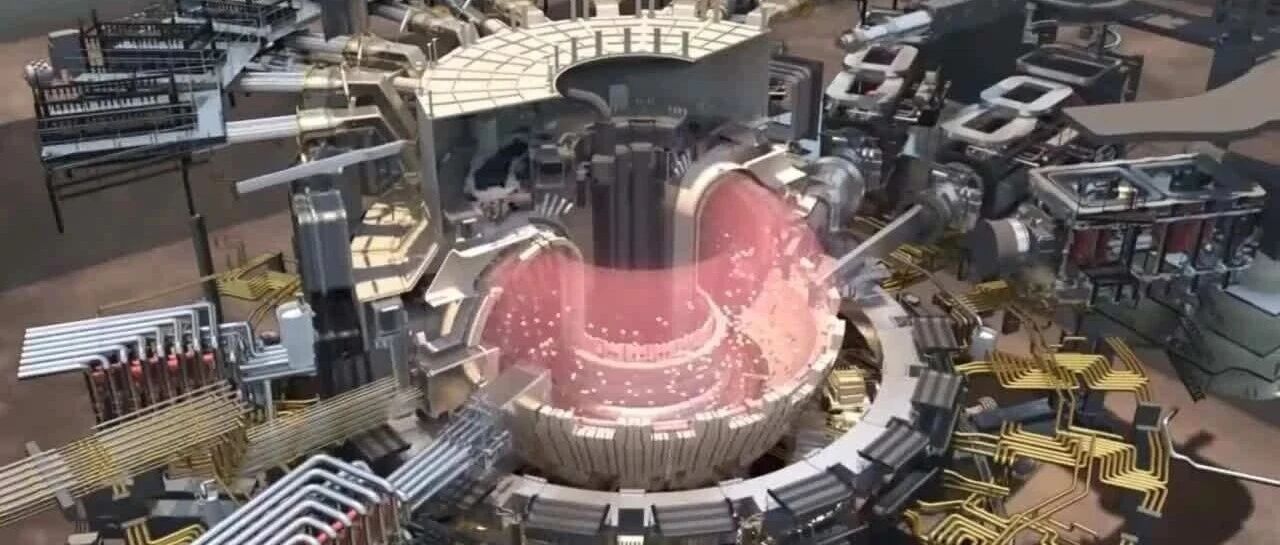
特朗普政府股权投资风暴:10家企业被“收编”
Jin Shi Shu Ju· 2026-02-09 03:14
Core Viewpoint - The Trump administration has made unprecedented equity investments in at least 10 companies, primarily in critical minerals, with a strategy to support domestic supply chains and potentially expand investments in sectors like chip manufacturing and nuclear reactors [1]. Group 1: U.S. Steel - The Trump administration acquired a "golden share" in U.S. Steel, granting veto power over key business decisions without direct economic equity [1][2]. - This golden share allows the government to block decisions such as closing or relocating plants and changing the company's name [2]. Group 2: MP Materials - MP Materials operates the only commercial rare earth mine in the U.S. and has a market capitalization exceeding $10 billion [3]. - The U.S. Department of Defense agreed to a landmark deal involving a $400 million preferred stock purchase, potentially making it the largest single shareholder with a 15% stake [3]. Group 3: Intel - The U.S. Department of Commerce purchased 433.3 million shares of Intel at $20.47 per share, acquiring a 10% stake funded by government grants [4]. - The shares acquired do not carry voting rights or governance rights [4]. Group 4: Lithium Americas - Lithium Americas is a startup planning to develop a lithium mine in Nevada and has received a debt repayment deferral from the Department of Energy in exchange for equity [5]. - The government aims to mitigate taxpayer risk by acquiring a small equity stake [5]. Group 5: Trilogy Metals - Trilogy Metals is another startup focused on mining in Alaska, with the government investing $35.6 million for a 10% equity stake and additional warrants for more shares [6]. Group 6: USA Rare Earth - USA Rare Earth is developing a magnet manufacturing facility and has received a $1.3 billion loan offer from the Department of Commerce in exchange for equity [7]. - The government could hold between 8% to 16% of the company depending on warrant exercise [7]. Group 7: Westinghouse - Westinghouse, a private nuclear reactor developer, received funding for an $80 billion nuclear power plant project, with the government acquiring participation rights [8]. - The government may become an 8% shareholder if the company's value exceeds $30 billion [8]. Group 8: Vulcan Elements - Vulcan Elements is establishing a domestic rare earth magnet supply chain and has secured $6.2 billion in loans and incentives from the government [9]. - The Department of Commerce will receive a $50 million equity investment and the Department of Defense will obtain warrants [9]. Group 9: XLight - XLight is developing free-electron lasers for semiconductor manufacturing and has been offered up to $150 million in federal incentives in exchange for equity [10]. Group 10: L3 Harris Technologies - L3 Harris Technologies, valued over $65 billion, announced a partnership with the government for a $1 billion investment in its missile systems [12]. - The investment will convert into common stock during an anticipated IPO in late 2026 [12].
日本企业数据造假事件频发
Ren Min Ri Bao· 2026-01-26 02:37
Group 1 - The Japanese Nuclear Regulation Authority has decided to conduct on-site inspections of Chubu Electric Power Company and its Hamaoka Nuclear Power Plant due to allegations of data falsification in the restart review process [1] - The Hamaoka Nuclear Power Plant has been a subject of safety concerns, especially since it is located in a region prone to significant seismic activity, which has heightened public anxiety following the recent data falsification incident [1] - Chubu Electric Power Company admitted to intentionally selecting favorable data in its seismic assessments submitted to the Nuclear Regulation Authority, which undermines public trust in nuclear safety [1] Group 2 - Data falsification has become a widespread issue among Japanese companies, with notable incidents including Kobe Steel's manipulation of inspection data and Mitsubishi Electric's long-term data fraud spanning over 30 years [2] - The frequency of data falsification incidents is attributed to a closed internal culture within Japanese companies, where top-down communication stifles employee feedback and encourages a culture of compliance over transparency [2] - The pressure from management and resource constraints have led employees to resort to unethical practices, as they feel compelled to meet unrealistic targets without adequate support [3] Group 3 - The inability of Japanese companies to learn from past failures and address internal issues is a significant factor contributing to the persistence of data falsification [3] - There is a critical need for Japanese companies to reform their internal mechanisms and open communication channels to effectively combat the culture of data manipulation [3]
比打败仗更可怕,乌克兰誓死与俄共存亡,欧洲核危机步入倒计时
Sou Hu Cai Jing· 2026-01-23 07:46
Core Viewpoint - The article discusses a potential extreme strategy by Ukraine, led by intelligence chief Budanov, to destroy its own nuclear power plants if faced with total military defeat, indicating a shift from conventional warfare to a catastrophic endgame strategy [1][3][14]. Group 1: Ukraine's Nuclear Strategy - Ukraine's plan involves the destruction of four nuclear power plants if the military situation deteriorates, aiming to create a scenario where no one benefits from Ukraine's defeat [1][3]. - The idea of using nuclear facilities as a weapon of last resort has gained traction, with Budanov's intelligence assessments suggesting that mere threats are losing effectiveness [9][14]. - The historical context includes Ukraine's abandonment of nuclear weapons in 1994 under the Budapest Memorandum, which has since been perceived as ineffective, leading to a sense of betrayal and desperation [13][14]. Group 2: Implications of Nuclear Destruction - The potential consequences of detonating a nuclear facility would far exceed the Chernobyl disaster, resulting in long-term ecological and economic devastation across Europe [14]. - The article highlights the psychological shift within Ukraine's military, viewing nuclear power plants not just as energy sources but as strategic assets that could be used against adversaries [11][14]. - The ongoing military conflict has transformed nuclear power plants into active battlegrounds, with both sides recognizing the risks involved in their proximity to military operations [7][11]. Group 3: International Response and Consequences - The article suggests that the international community's reliance on military aid and sanctions may be insufficient to address the nuclear safety concerns arising from Ukraine's situation [15]. - Budanov's strategy serves as a warning not only to Russia but also to Western allies, emphasizing the dire consequences of inaction [13][14]. - The narrative reflects a broader crisis in global order, where Ukraine feels compelled to resort to extreme measures to ensure its survival [11][14].

特朗普将在海湖庄园会见斯洛伐克总理菲佐
Xin Lang Cai Jing· 2026-01-17 12:34
Group 1 - The core point of the article is the meeting between Slovak Prime Minister Robert Fico and U.S. President Donald Trump, aimed at strengthening relations between Slovakia and the U.S., particularly in the context of Slovakia's critical stance towards the EU [1] - Fico plans to discuss the construction of a new nuclear power plant in Slovakia, which is expected to involve a contract valued at approximately €15 billion (about $17.4 billion) [1]

缺电、缺电、缺电!电网建设需7年,巨头们等不起,马斯克建电厂,谷歌买发电公司,扎克伯格押注核能
Jin Rong Jie· 2026-01-15 03:13
Group 1 - The core issue is the increasing electricity consumption of large AI data centers, which is projected to rise from 200 terawatt-hours (TWh) annually to 640 TWh by 2035, equivalent to Germany's total annual electricity usage [1] - There are over 4,000 large data centers in the U.S., with the potential to triple in number over the next four years, leading to significant strain on the aging electrical grid [1] - In Texas, data center electricity requests exceed 10 gigawatts (GW) monthly, but only about 1 GW is approved, resulting in potential increases in residential electricity costs by 25% in clustered data center areas [1] Group 2 - Tech giants are employing various strategies to address power shortages, such as xAI's establishment of a self-sufficient data center with gas turbines and Tesla batteries, and Google's acquisition of a power generation company for $4.8 billion [2] - Meta is investing in nuclear energy to power its AI supercomputing cluster, aiming for 6.6 GW of power by 2035, while Microsoft claims it will not raise electricity costs due to data centers [2] - Despite commitments to renewable energy, major companies still rely on natural gas and nuclear power, with significant portions of their electricity sourced from these non-renewable resources [2] Group 3 - The industry consensus is shifting towards a hybrid energy model combining solar and wind power with large battery storage, natural gas plants as backup, and nuclear power for long-term stability [3] - There is a surge in energy-related hiring among tech companies, with a 34% increase in recruitment for energy procurement and infrastructure roles, indicating a strategic shift in focus [3] - The competition for electricity has led to a reshaping of the energy sector, with companies like General Electric and Siemens seeing stock price increases, while local economies experience mixed impacts from data center developments [3]


硅谷最难的三个问题:缺电、缺电、还是缺电,硅谷大佬押注新能源
3 6 Ke· 2026-01-15 01:21
Group 1 - The core issue is the increasing electricity demand from AI data centers, which is straining the existing power grid and leading to rising electricity prices [2][4][7] - There are over 4,000 AI data centers in the U.S., and their number is expected to triple in the next four years, significantly increasing electricity consumption [2][3] - By 2035, U.S. data centers' electricity demand is projected to surge from 200 terawatt-hours to 640 terawatt-hours, equivalent to Germany's annual electricity consumption [3] Group 2 - The current power grid is unable to meet the demand from new data centers, with Texas only able to approve about 1 gigawatt of the tens of gigawatts requested monthly [4][7] - The construction of new power lines and plants takes several years, which is not feasible for tech giants needing immediate power solutions [8] - Major tech companies are exploring various energy sources, including natural gas, nuclear, and renewable energy, to ensure stable power supply for their operations [15][22] Group 3 - Elon Musk's xAI has built a data center with 200,000 GPUs and on-site power generation using gas turbines and Tesla batteries, while Google has acquired a power company to secure its energy needs [9][11] - Meta has signed agreements with nuclear energy companies to supply power for its AI supercomputing cluster, aiming for 6.6 gigawatts by 2035 [12][11] - Microsoft has committed to not passing on electricity costs to consumers, although the complexity of the power grid makes this challenging [14] Group 4 - The competition for energy talent is intensifying, with tech companies increasing hiring in energy-related positions by 34% since 2022 [16][18] - Companies like Amazon and Microsoft are aggressively recruiting energy experts to navigate the complexities of energy procurement and grid access [18][21] - The demand for energy professionals is reshaping the job market, with traditional energy sectors facing talent shortages as tech firms offer higher salaries [21] Group 5 - The AI-driven electricity crisis is reshaping the energy industry, benefiting manufacturers of gas turbines and storage devices, while also creating economic disparities in local communities [22][24] - The ongoing "electricity war" highlights the limitations of current energy systems in supporting rapid technological advancements [23][25] - The future of technology may increasingly depend on energy availability, emphasizing the need for sustainable and efficient power solutions [25][26]
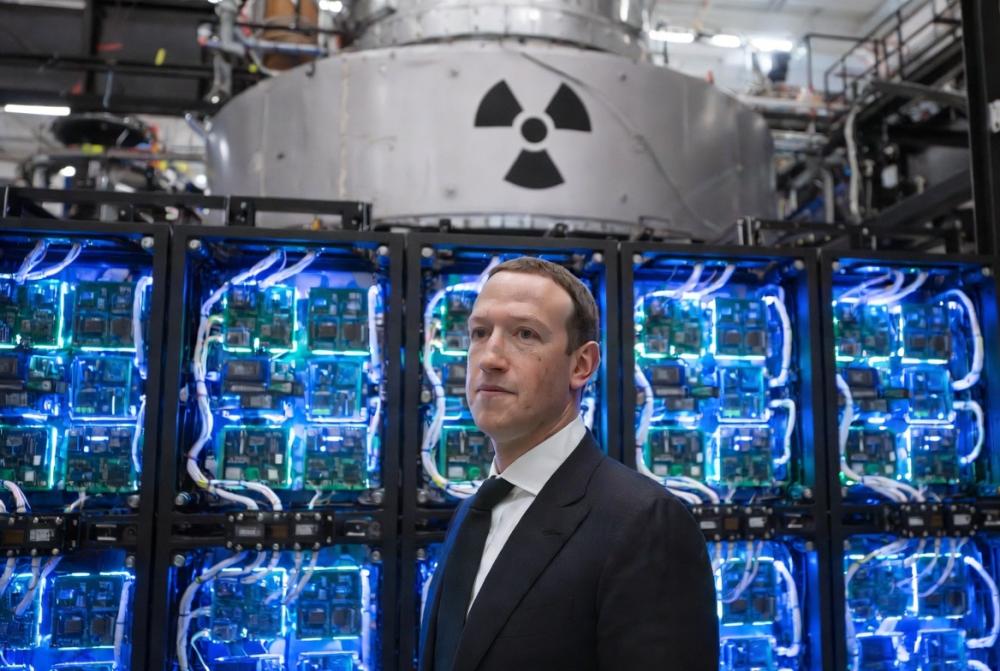
数据造假、设备停运,日本核电站问题频发
Huan Qiu Shi Bao· 2026-01-08 22:47
Group 1 - The Chubu Electric Power Company admitted to data falsification during the review process for restarting the Hamaoka Nuclear Power Plant, leading to the suspension of related review work by the Nuclear Regulation Authority [1] - The falsification involved underestimating the "design basis earthquake" assessment, which is a critical safety indicator for nuclear power plants [1] - The issue dates back to 2018, when the company was focused on advancing safety reviews and seismic assessments for the restart of Units 3 and 4 of the Hamaoka Nuclear Power Plant [1] Group 2 - On the same day, Tokyo Electric Power Company reported a temporary shutdown of the cooling equipment for the "frozen soil wall" at the Fukushima Daiichi Nuclear Power Plant, which is intended to control the increase of contaminated water [2] - The cooling equipment was non-operational for approximately two hours before being restarted, raising public concerns about potential undisclosed issues [2]
最大核电站刚获批重启,日本一报废核反应堆出事故
Yang Shi Xin Wen· 2025-12-25 08:39
Core Viewpoint - The recent incident at a decommissioned nuclear reactor in Fukui Prefecture, Japan, which resulted in radioactive water leakage, coincided with the approval for the restart of the Kashiwazaki-Kariwa Nuclear Power Plant, leading to public discontent and concerns about Japan's strategic nuclear capabilities [1][6][10] Group 1: Incident Details - A radioactive water leak occurred at the "Fugen" reactor, which is currently undergoing decommissioning, with several individuals potentially exposed to radiation [1] - The Japanese Nuclear Regulation Authority confirmed that no internal radiation exposure was detected among workers, but investigations are ongoing regarding possible external exposure [1] - The Fugen reactor, which uses plutonium as fuel, has been out of operation since March 2003 and is in the process of being decommissioned [1] Group 2: Public Response and Opposition - The approval for the restart of the Kashiwazaki-Kariwa Nuclear Power Plant has sparked significant protests from local residents, with many expressing concerns over safety and the decision-making process [3][5] - Approximately 60% of residents in Niigata Prefecture believe that the conditions for restarting the plant are not yet met, and about 70% feel uneasy about the operator, Tokyo Electric Power Company [5] Group 3: Strategic Implications - Analysts suggest that Japan's recent nuclear activities, including the restart of the Kashiwazaki-Kariwa plant, indicate a covert expansion of its national strategic capabilities [6][10] - Japan is characterized as a "nuclear threshold state," possessing the ability to develop nuclear weapons rapidly due to its advanced nuclear materials and technology [9] - The government's actions are seen as a gradual erosion of the constraints imposed by Japan's "Three Non-Nuclear Principles," aiming to maintain a strategic position that allows for rapid nuclear armament if necessary [10]