楚文化研究

Search documents
湖北首次!在宜昌发现,早了近300年!
Xin Lang Cai Jing· 2026-02-01 04:54
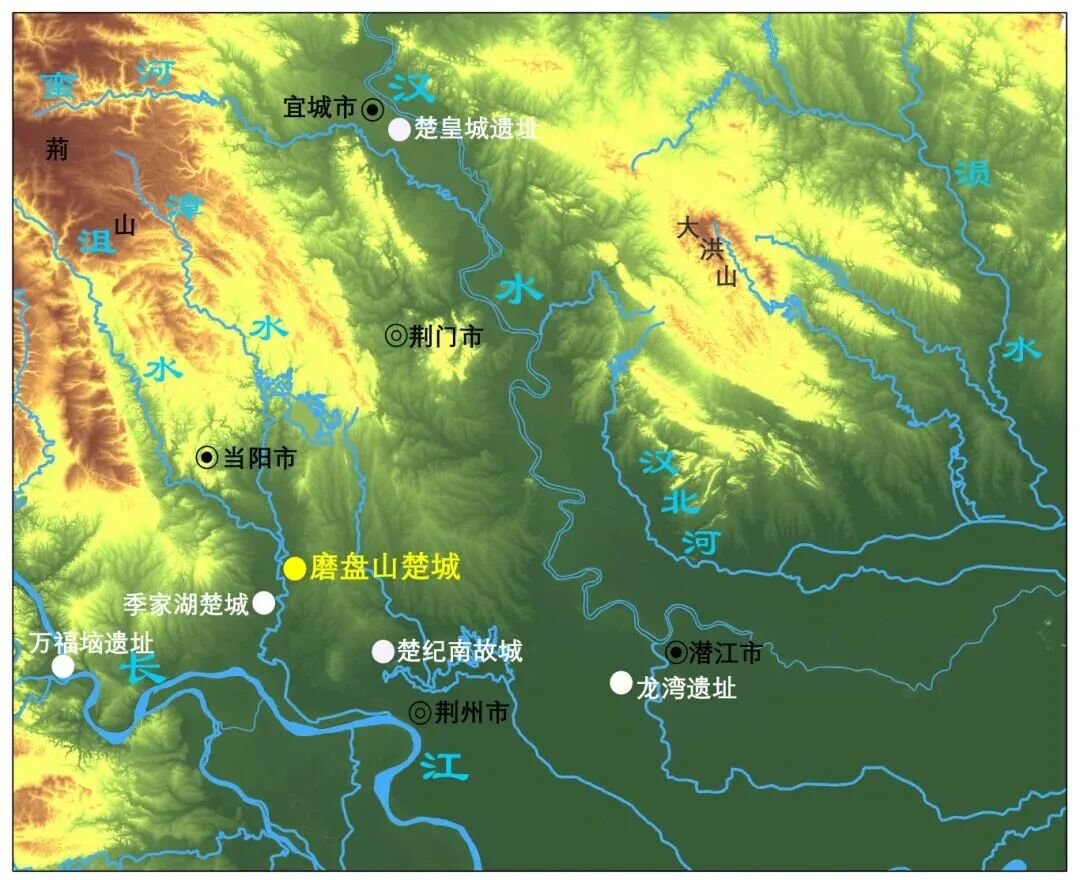
20世纪七八十年代,在夏鼐、俞伟超、苏秉琦等学者推动下,该区域开展了一系列关键考古工作,为楚文化渊源与楚都丹阳地望研究奠定基础,清华简 《楚居》的问世进一步为相关研究提供了新线索。 磨盘山楚城遗址位置示意图 磨盘山楚城遗址坐落于当阳市沮水与漳水汇合处,分布面积约40平方公里,是由城址、城壕及城内外40余处遗址点构成的楚国中心聚落群,主体年代为春 秋中晚期,2001年被公布为第五批全国重点文物保护单位。 转自:宜昌发布 湖北省文物考古研究院发布 重磅考古成果: 2025年度在当阳市开展的 考古发掘工作 首次确认磨盘山遗址为 春秋时期楚国城址 这是湖北省内 首次发现该时期楚城 其始建年代比楚国鼎盛时期的 都城纪南城早近300年 为探索早期楚国都城布局 与演变提供了关键坐标 磨盘山楚城西北角俯瞰图(由西北往东南) 记者丨尤蔓 编辑丨郑郑 编审丨翟婷婷 郑家湾地点南区发掘全景 为深化沮漳河流域楚文化研究,湖北省文物考古研究院联合多家单位重启考古工作。通过对遗址郑家湾地点的发掘,考古队揭露出城垣、铸铜作坊等重要 遗迹,最终确认该遗址为春秋时期楚国城址。 郑家湾地点北区发掘全景 考古队还对打破城墙的灰坑及早于城墙的墓葬进 ...

武王墩考古重大发现再现楚国礼乐文明
Xin Lang Cai Jing· 2025-12-22 17:14
Core Insights - The archaeological discovery at Wuwangdun Tomb in Huainan, Anhui, is significant for the study of Chu culture and the historical context from the Zhou to Qin-Han periods, with the excavation set to conclude in December 2024 [1] Group 1: Archaeological Findings - The Wuwangdun Tomb is the only scientifically excavated Chu royal tomb in China, yielding over 10,000 artifacts, including a large number of musical instruments, which reflect a major transformation in music during the Warring States period [1] - Among the artifacts, over 50 zithers and more than 20 sheng and yu instruments were found, with some zithers exceeding two meters in length, marking the largest zither discovered to date in China [1] - A bamboo ruler measuring approximately 69.4 cm was discovered, indicating that the length of one foot in late Warring States Chu was about 23.1 cm, showing a trend towards standardization in measurements among various states before the Qin unification [1] Group 2: Cultural and Dietary Insights - The analysis of relics from bronze tripods revealed plant remains such as plums, gourd seeds, melon seeds, ginger, and jujubes, as well as animal remains including cattle, pigs, sheep, fish, and birds, indicating culinary practices in the Chu state [2] - The systematic archaeological findings at Wuwangdun Tomb vividly illustrate the richness of Chu culture and the continuity of Chinese civilization, with results set to be exhibited at the National Museum soon [2]
武王墩考古新发现 出土实物印证占卜甲骨“长灵”
Yang Shi Wang· 2025-12-20 16:44
Core Insights - The Wuwangdun Tomb in Huainan, Anhui, is the only scientifically excavated tomb of a Chu king in China, holding significant importance for the study of Chu culture and the historical research from the Zhou to Qin and Han dynasties [1] Archaeological Findings - The archaeological fieldwork at Wuwangdun Tomb concluded in December 2024, marking one year since the completion of the excavation [1] - During the period following the excavation, substantial new discoveries have been made as the organization and research of artifacts continue to progress steadily [1]
考古新发现!出土实物带你解密这位楚王的日常
Yang Shi Xin Wen· 2025-12-20 10:35
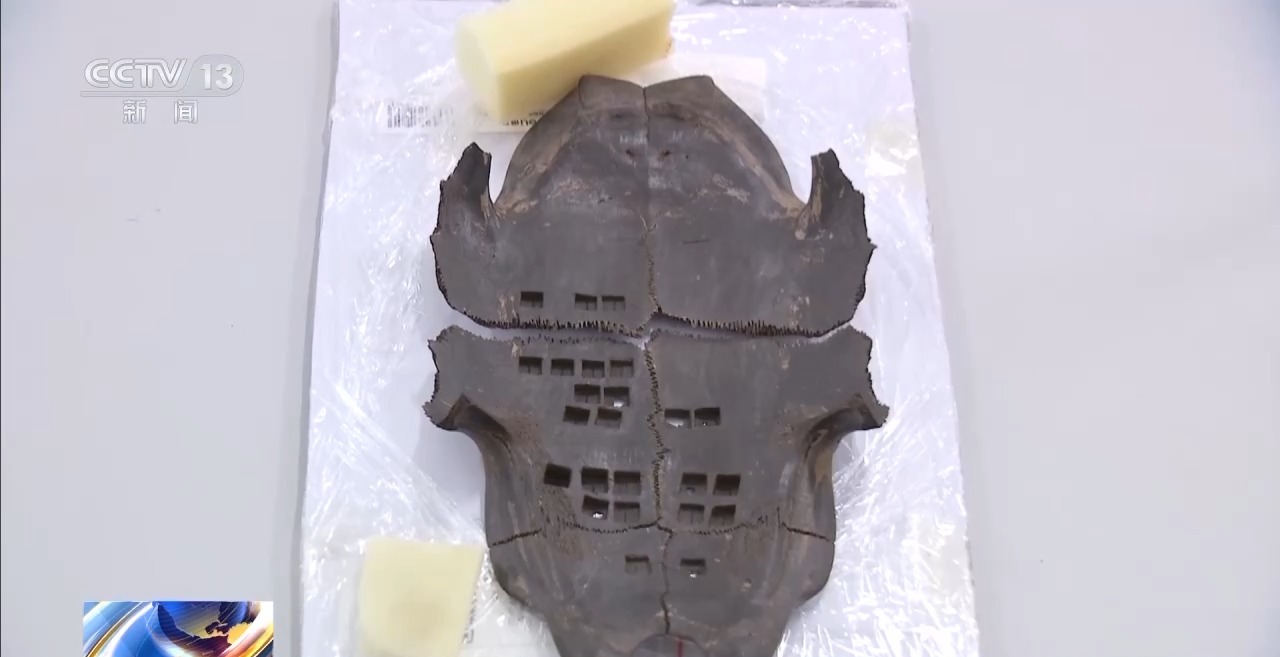
Core Insights - The excavation of the Wuwangdun Tomb in Huainan, Anhui, is significant for the study of Chu culture and the historical context from the Zhou to Qin-Han periods, marking it as the only scientifically excavated Chu royal tomb in China [1] Archaeological Findings - Over 10,000 artifacts were unearthed, including a substantial number of divination turtle shells, which exceeded the expectations of the archaeological team and provided new academic insights [2][3] - The turtle shells were found in a side chamber identified as the "Chu royal treasury," and despite being submerged for over 2,000 years and disturbed by ancient tomb raiders, 55 complete divination shells were reconstructed from thousands of fragments [3][5] - The divination shells featured square or rectangular holes, indicating a method of divination that involved burning the shells to create cracks, which were then interpreted for omens [5][7] Cultural Significance - The discovery of the turtle shells challenges previous understandings of divination practices in the late Warring States period, suggesting a continuity of Zhou traditions [7][11] - The absence of inscriptions on the turtle shells raises questions about the specific procedures and purposes of divination during this period, with some shells showing traces of the word "长霝" (Ling), indicating a type of divination turtle [9][11] Dietary Insights - The tomb of King Kao Lie of Chu revealed insights into the dietary habits of the time, with various animal and plant remains found in bronze vessels, suggesting a rich culinary culture [12][19] - Analysis of the remains indicated the presence of geese, ducks, and various fruits, which may have been used in cooking or as accompaniments, reflecting the dietary preferences of the Chu royal family [19][21] Rare Artifacts - The excavation also uncovered over 20 rare flower-patterned stone tools, which are believed to be the earliest of their kind, with further research needed to understand their significance [24][26] - The presence of these stone tools, similar to those found in the Forbidden City centuries later, suggests a continuity of material culture and craftsmanship [34][35] Historical Context - The findings at Wuwangdun provide a deeper understanding of the rituals and customs of the Chu state, particularly in relation to burial practices and the significance of the artifacts found [23][34] - The relationship between the artifacts and the broader cultural practices of the time highlights the artistic and imaginative qualities of Chu culture, as reflected in the choice of materials and designs for burial items [37]
长沙子弹库战国帛书第二、三卷入藏湖南省博物馆
Ren Min Ri Bao· 2025-10-13 22:20
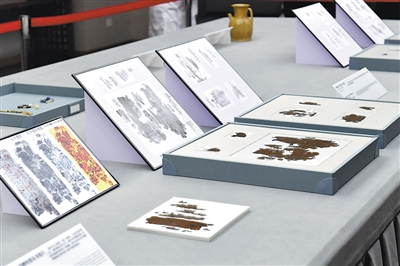
Core Viewpoint - The second and third volumes of the Changsha Bullet Depot Warring States Silk Manuscripts, titled "Five Elements Command" and "Offensive and Defensive Divination," have been officially transferred to the Hunan Provincial Museum, marking a significant addition to the museum's collection of ancient Chinese artifacts [2][3]. Group 1 - The National Cultural Heritage Administration has allocated a total of 132 pieces (sets) of artifacts from the Changsha Bullet Depot Warring States Silk Manuscripts to the Hunan Provincial Museum [2]. - The silk manuscripts are the earliest known silk texts in China, consisting of three volumes that document astronomical calendars, cosmology, and military divination from the pre-Qin period, providing invaluable resources for various fields of study [2]. - The manuscripts were originally excavated in 1942 from a tomb in Changsha but were scattered overseas until their return through Sino-American cultural relics repatriation cooperation in May of this year [2]. Group 2 - After arriving at the Hunan Provincial Museum on September 10, the manuscripts underwent a 14-day environmental adaptation observation and were assessed for preservation in a controlled temperature and humidity environment [3]. - An expert team is currently working on a microbial sterilization plan to ensure the manuscripts are thoroughly sterilized without damaging their material and ink [3]. - The museum plans to conduct non-destructive testing and scientific restoration of the manuscripts, as well as create a comprehensive digital archive, while also developing a collaborative platform to share research findings with global scholars and the public [3].
国宝回“湘”!长沙子弹库战国帛书第二、三卷入藏湖南省博物馆
Yang Shi Xin Wen· 2025-10-13 02:33
Core Viewpoint - The successful return and incorporation of the second and third volumes of the Wuxing Ling and Gongshou Zhan from the Changsha Bullet Depot into the Hunan Provincial Museum represents a significant achievement in the international cooperation for the repatriation of cultural relics, enhancing the understanding of ancient Chinese civilization and its cultural heritage [1][7]. Group 1: Cultural Significance - The Changsha Bullet Depot Warring States silk manuscripts, discovered in 1942, are the earliest known silk texts in China, documenting astronomical calendars, cosmology, and military divination from the pre-Qin period, making them invaluable for research in various academic fields [1][3]. - The return of these manuscripts is seen as a vital addition to the lineage of Chinese civilization, demonstrating the country's commitment to preserving its cultural roots and providing a successful model for the return of cultural heritage [1][6]. Group 2: Preservation and Research Initiatives - Following the manuscripts' incorporation, a comprehensive preservation plan has been initiated, including a detailed non-destructive testing process and the establishment of a refined protection system under the guidance of the National Cultural Heritage Administration [3][4]. - A "holographic information collection" initiative has been launched, achieving standardized imaging of all manuscripts, with high-precision scanning revealing previously invisible ink characters [3][4]. Group 3: Future Plans and Collaborations - The Hunan Provincial Museum has outlined a systematic follow-up work plan focusing on scientific restoration and digital archiving of the manuscripts, utilizing advanced technologies such as hyperspectral imaging and X-ray fluorescence scanning [4][5]. - The museum aims to collaborate with top academic institutions both domestically and internationally to deepen research on Chu culture, hosting international conferences and promoting the publication of research findings [4][5].