瑟

Search documents
当年轻人“遇见”楚考烈王
Xin Lang Cai Jing· 2026-02-15 14:49
Core Viewpoint - The archaeological exhibition "Meeting the King of Kao Lie" showcases the significant findings from the excavation of the Wangdun No. 1 tomb in Huainan, Anhui, which is the largest and most complex royal tomb of the Chu state discovered to date, providing valuable insights into the burial customs and royal tomb systems from the Chu state to the Western Han dynasty [2][12]. Group 1: Archaeological Findings - The Wangdun No. 1 tomb is the burial site of King Kao Lie of Chu, containing over 10,000 precious artifacts, which are crucial for studying the royal burial customs and tomb planning of the Chu state [2][12]. - The tomb features a well-preserved collection of ceremonial objects, including a set of bronze bells that have been confirmed to possess excellent musical qualities [5][12]. - The excavation team, primarily composed of young archaeologists, has faced numerous challenges, including the need for urgent protective measures due to the risk of looting and environmental degradation [4][8]. Group 2: Team Dynamics and Challenges - The excavation team has shown resilience, with many members being recent graduates who have taken on significant responsibilities in the project [3][4]. - The team has developed innovative techniques for artifact extraction and preservation, including the use of water gel and epoxy resin for large artifacts [9][12]. - The work environment has been demanding, with team members often working long hours to ensure the careful extraction and documentation of artifacts [4][8]. Group 3: Public Engagement and Cultural Impact - The exhibition has sparked public interest, with local residents and students actively engaging with the archaeological process and expressing their support for the project [12][13]. - Educational initiatives, such as student competitions related to the Wangdun site, have fostered a deeper understanding of archaeology among younger generations [12]. - The successful preservation of artifacts, such as lacquerware, has exceeded public expectations and highlights the effectiveness of the conservation efforts undertaken by the team [12].

武王墩墓:见证中国古代音乐的一次转型
Xin Lang Cai Jing· 2026-01-17 20:47
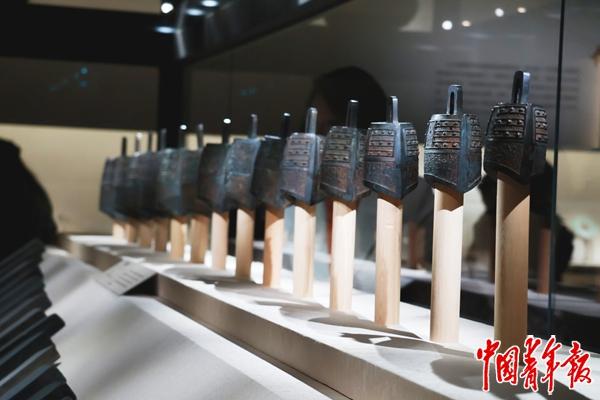
Core Viewpoint - The archaeological discovery of the Wuwangdun Tomb in Huainan, Anhui, has confirmed the tomb owner as King Kaolie of the late Warring States period, providing valuable insights into the music and ritual systems of the time, particularly during the transition from the Warring States to the Qin and Han dynasties [1][3]. Group 1: Tomb Structure and Significance - The Wuwangdun Tomb features a main burial chamber surrounded by eight auxiliary rooms, reflecting a highly institutionalized layout for funerary rituals [3]. - The combination of bronze ritual vessels and musical instruments found in the tomb indicates the tomb owner was the highest ruler of the Chu state, showcasing the unique cultural and political identity of the Chu people [3][4]. Group 2: Evolution of Music and Rituals - The tomb reveals a shift in the function of music from ancestral worship to court banquets, as evidenced by the increase in silk and bamboo instruments compared to bronze ones [4][9]. - The presence of inscriptions such as "Yuefu" and "Zhongyuefu" suggests the establishment of a music management system similar to later court music institutions, indicating a blend of tradition and new elements in the late Chu music system [5][10]. Group 3: Technological Advancements in Music Instruments - The Wuwangdun Tomb fills a critical gap in the evolution of musical bells from the late Warring States to the early Western Han period, showcasing advancements in bell-making techniques [6][8]. - The discovery of the earliest examples of the "chisel method" for tuning bells in the tomb indicates a significant technological transition in ancient Chinese music [7][8]. Group 4: Broader Implications for Early Chinese Music History - The findings from the Wuwangdun Tomb are part of a larger narrative of transformation in early Chinese music history, with a notable shift in musical focus from ritualistic to entertainment purposes during the transition to the Han dynasty [9][10]. - The tomb's musical artifacts reflect a continuity of ritual practices while also embracing new cultural elements, illustrating the resilience and adaptability of Chinese musical traditions over time [10].
武王墩大墓惊现“乐器天团”
Xin Lang Cai Jing· 2025-12-22 18:17
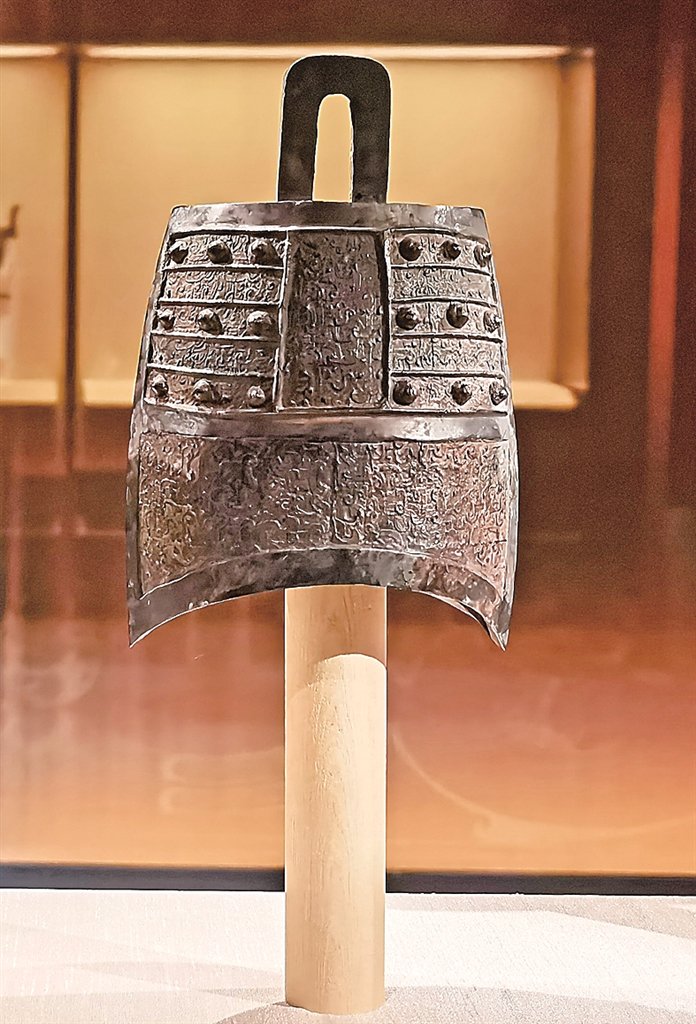
Core Viewpoint - The archaeological excavation of the Wuwangdun tomb has revealed a significant number of musical instruments, indicating a major transformation in music culture during the Warring States period in China, with a particular focus on the discovery of the largest known "se" and various "sheng" and "yu" instruments [6][12]. Group 1: Instrument Discoveries - The excavation uncovered over 10,000 artifacts, with more than 50 "se" and over 20 "sheng" and "yu" instruments, including the largest "se" measuring approximately 2.1 meters [6][11]. - The findings include a variety of musical instruments that reflect the grandeur of musical performances described in ancient texts, such as the "Chuci" [6][12]. - The "yu" instruments, which had been largely lost after the Tang dynasty, have been identified among the artifacts, providing new insights into their historical significance [7][9]. Group 2: Cultural Significance - The large number of musical instruments found at the Wuwangdun site suggests a shift from a focus on metal and stone instruments to string and wind instruments, marking a significant cultural transition in ancient Chinese music [11][12]. - The discovery of two sets of chime bells, which show signs of use, indicates their practical application in musical performances, further supporting the idea of a vibrant musical culture during the Warring States period [10][11]. - The artifacts, including a bamboo ruler and oracle bones, provide a broader context for understanding the cultural and social practices of the Chu state, highlighting the continuity of Chinese civilization [13]. Group 3: Future Research and Exhibitions - The archaeological team plans to develop a specialized protection and research plan for the musical instruments, aiming to replicate playable versions to recreate the musical scenes of the Warring States period [12]. - The findings will be exhibited at the National Museum, allowing the public to engage with the rich cultural heritage revealed through these discoveries [13].
武王墩考古重大发现再现楚国礼乐文明
Xin Lang Cai Jing· 2025-12-22 17:14
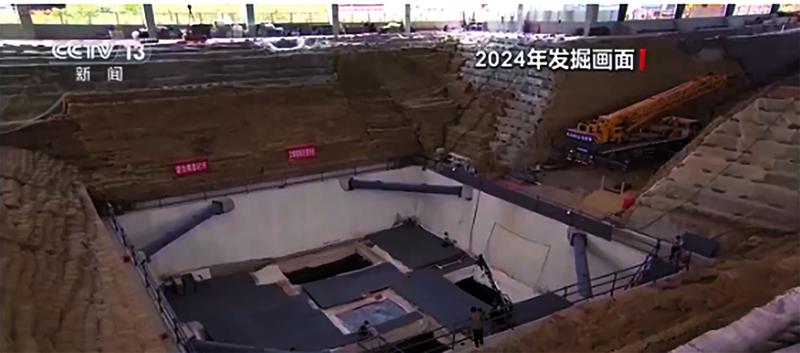
Core Insights - The archaeological discovery at Wuwangdun Tomb in Huainan, Anhui, is significant for the study of Chu culture and the historical context from the Zhou to Qin-Han periods, with the excavation set to conclude in December 2024 [1] Group 1: Archaeological Findings - The Wuwangdun Tomb is the only scientifically excavated Chu royal tomb in China, yielding over 10,000 artifacts, including a large number of musical instruments, which reflect a major transformation in music during the Warring States period [1] - Among the artifacts, over 50 zithers and more than 20 sheng and yu instruments were found, with some zithers exceeding two meters in length, marking the largest zither discovered to date in China [1] - A bamboo ruler measuring approximately 69.4 cm was discovered, indicating that the length of one foot in late Warring States Chu was about 23.1 cm, showing a trend towards standardization in measurements among various states before the Qin unification [1] Group 2: Cultural and Dietary Insights - The analysis of relics from bronze tripods revealed plant remains such as plums, gourd seeds, melon seeds, ginger, and jujubes, as well as animal remains including cattle, pigs, sheep, fish, and birds, indicating culinary practices in the Chu state [2] - The systematic archaeological findings at Wuwangdun Tomb vividly illustrate the richness of Chu culture and the continuity of Chinese civilization, with results set to be exhibited at the National Museum soon [2]
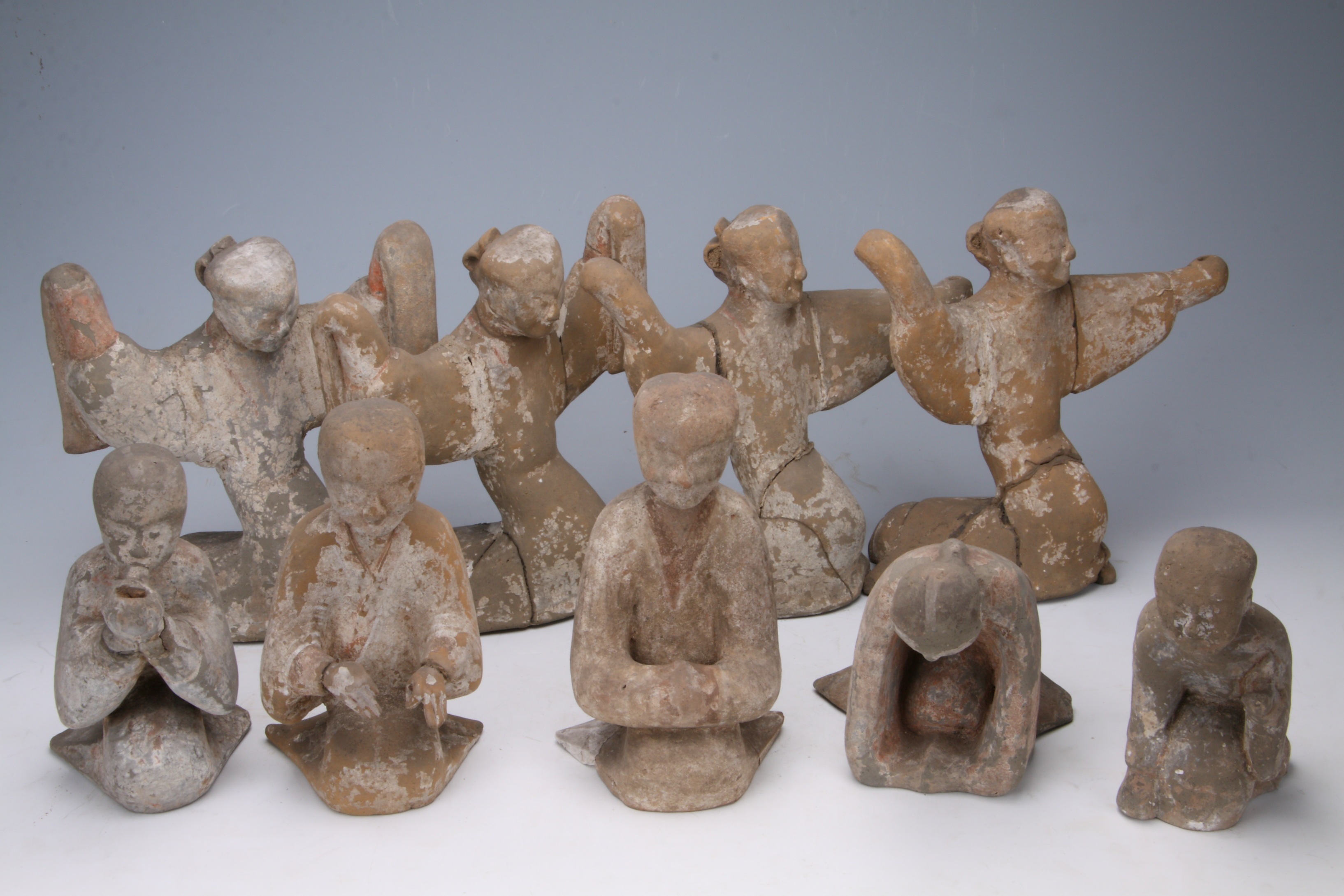
“我有嘉宾,鼓瑟吹笙” 汉代乐舞演出“实录”
Yang Shi Xin Wen· 2025-08-01 06:49
Core Viewpoint - The article presents a vivid depiction of the Han Dynasty's colorful music and dance figurines, showcasing a reconstructed performance that reflects the cultural richness of that era [1]. Group 1: Overview of the Figurines - The set consists of nine figurines, each with distinct roles such as spectators, attendants, musicians, and dancers, highlighting their specific functions and varied expressions [4]. - The figurines are designed to represent a lively performance scene, capturing the essence of a "variety show" from the Han Dynasty [1]. Group 2: Spectators and Attendants - Among the spectators, one figurine stands out for her graceful posture, sitting on her knees with a focused expression, embodying the role of an attentive audience member [6]. - Two attendants are depicted, one in a semi-upright position holding an item, while the other is kneeling, suggesting readiness to serve [9][10]. - The attendants' expressions are characterized as gentle and respectful, showcasing the craftsmanship of Han artisans in portraying humility and deference [12]. Group 3: Dancers - The dance group features four elegantly posed figurines, with their hairstyles and long skirts reflecting the fashion of the time [15][16]. - Two dancers are dressed in wide-sleeved garments, performing movements indicative of the "drum dance," a sophisticated dance form of the Han era [19]. - The other two dancers are engaged in "sleeve dance," a significant dance style that emphasizes the use of hand movements, which flourished during the Han Dynasty [21][22]. Group 4: Musicians - The music group includes two kneeling musicians, one playing the "yu" (a type of wind instrument) with a focused expression, while the other appears to be playing the "se" (a string instrument) [23][26]. - Their postures and expressions are designed to evoke the imagery found in ancient texts, reflecting the musical culture of the Han Dynasty [30]. - Han music is noted as a peak in the history of Chinese music, characterized by a variety of instruments including percussion, wind, and string instruments [32].