欧洲安全体系

Search documents
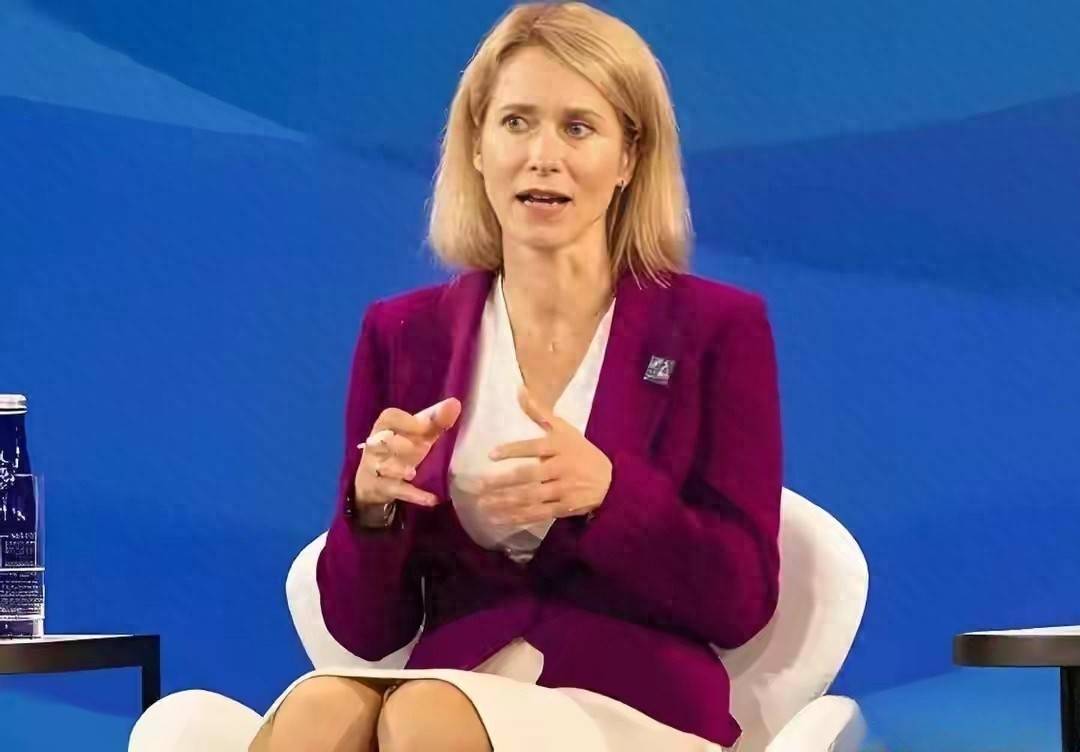
俄乌没有欧洲的位置?中方在慕安会一语点明:欧洲不应在菜单上!
Sou Hu Cai Jing· 2026-02-17 04:03
Group 1 - The core message from Chinese Foreign Minister Wang Yi at the Munich Security Conference emphasizes that Europe should not be sidelined in global security discussions, highlighting the need for Europe to be an active participant rather than a passive one [1][5] - The absence of the European Union in critical negotiations regarding the Russia-Ukraine conflict, particularly in talks held in Abu Dhabi, indicates a potential marginalization of Europe in security matters, which is a significant concern for the EU [1][6] - The EU's approach, particularly under the leadership of Ursula von der Leyen, has been characterized by a hardline stance against Russia, which may have contributed to its exclusion from key discussions, reflecting a diplomatic strategy driven by ideology [1][6] Group 2 - The atmosphere at the Munich Security Conference has shifted to one of increased tension, with European leaders feeling uneasy about the unpredictability of U.S. actions, which has raised concerns about transatlantic relations [3][6] - Wang Yi's remarks suggest that China is positioning itself as a mediator, advocating for dialogue between Europe and Russia, and emphasizing the importance of Europe in shaping international rules and discussions [5][6] - The fluctuating stance of Europe on the Ukraine crisis, oscillating between sanctions and calls for dialogue, has led to uncertainty regarding its strategic alignment with the U.S., prompting a reevaluation of its role in global security [6]

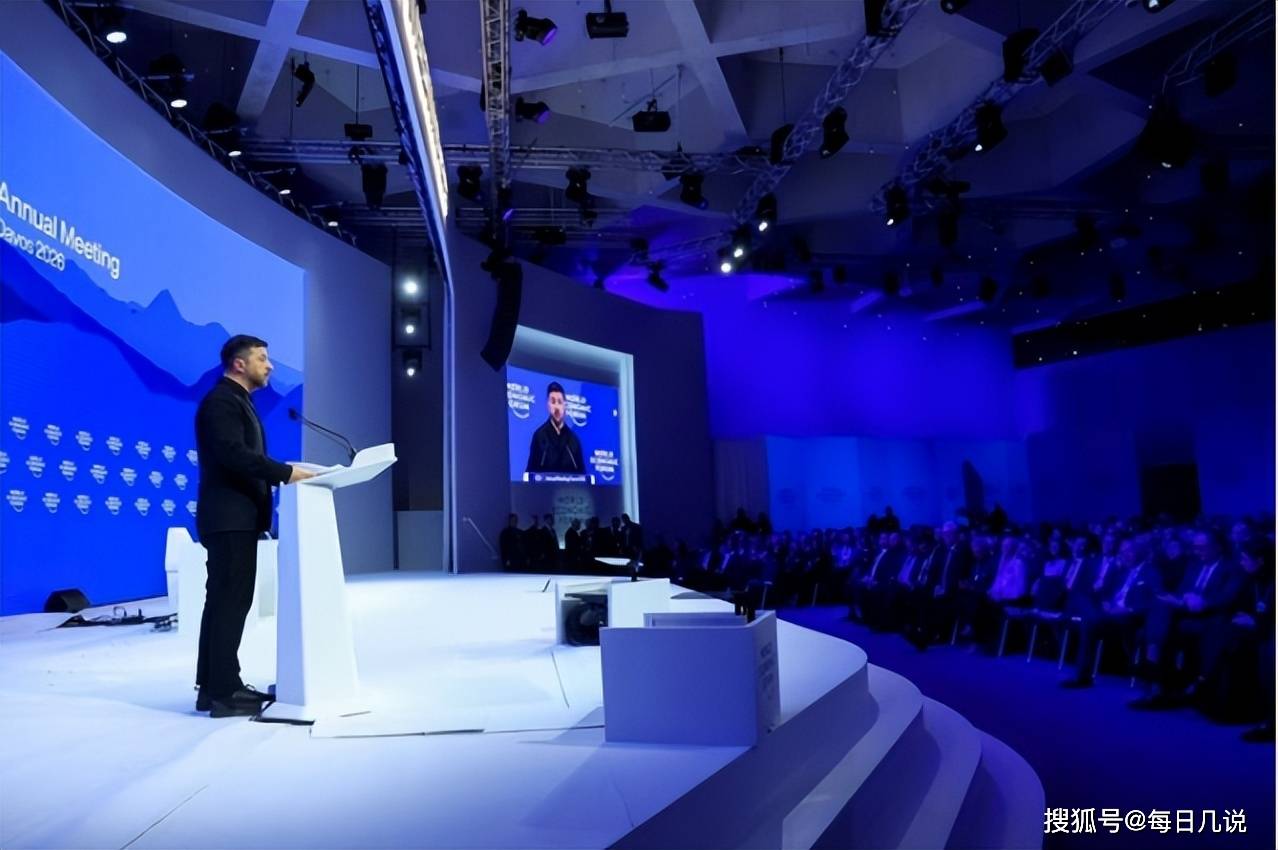
泽连斯基怒吼欧洲:内斗不休,还想靠美国到几时?
Sou Hu Cai Jing· 2026-01-24 00:10
Core Viewpoint - Ukrainian President Zelensky sharply criticized European allies for their disunity and inaction during his speech at the Davos World Economic Forum, questioning why Europe has not taken decisive actions against Russia like the U.S. has [1][3][5] Group 1: Criticism of European Response - Zelensky described Europe as a "beautiful but fragmented kaleidoscope," highlighting its lack of cohesion and effectiveness as a global power [3] - He expressed disappointment over Europe's slow response to the ongoing conflict, emphasizing that while the U.S. has taken decisive actions against Russian oil tankers, Europe has struggled to act on the same issue [5] - The recent approval of a substantial loan package to Ukraine by the European Parliament contrasts with the internal divisions among member states regarding support for Ukraine [3][5] Group 2: Security Concerns - Zelensky raised concerns about the future of NATO and the reliance on U.S. action in crises, questioning who would respond if Russia were to attack other Eastern European countries [5] - The speech coincided with a meeting between Zelensky and U.S. President Trump, where they reportedly reached an agreement on U.S. security guarantees for Ukraine, although details remain undisclosed [5] - The internal European response to Zelensky's criticism varied, with some leaders, like French President Macron, taking immediate action against Russian vessels, while others showed reluctance to support Ukraine [5][6] Group 3: Broader Implications - Zelensky's remarks not only criticized Europe's current stance but also questioned the future of the transatlantic alliance, particularly in light of Europe's internal divisions and its dependency on U.S. support [8] - The ongoing discussions about the use of frozen Russian assets for Ukrainian aid reflect the complexities and disagreements within the EU regarding effective measures against Russia [6] - The upcoming trilateral talks involving representatives from the U.S., Ukraine, and Russia mark a significant diplomatic development since the onset of the war, indicating a potential shift in engagement strategies [8]
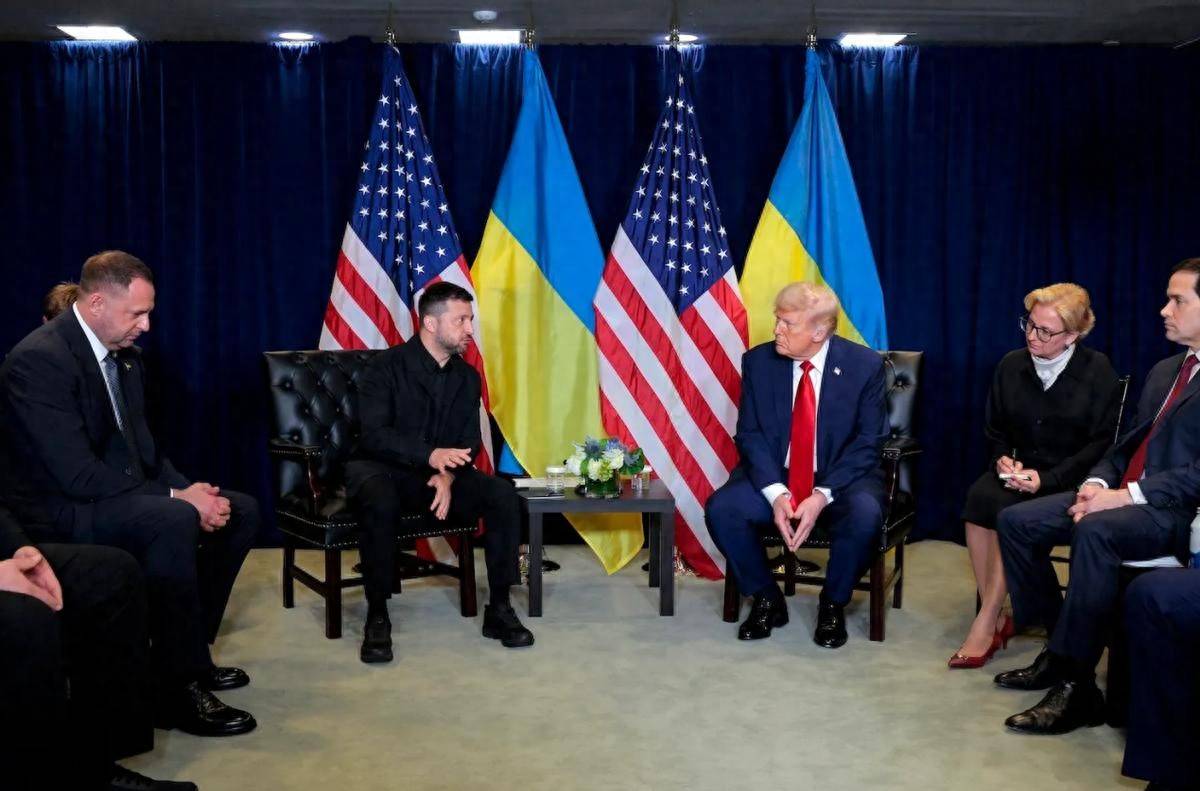
美国让乌克兰割地,欧洲当场拒绝,欧洲真正恐惧的是什么?
Sou Hu Cai Jing· 2025-11-25 04:11
Core Viewpoint - The proposal from the U.S. for Ukraine to concede territory is alarming for Europe, indicating a potential withdrawal of American support and a shift in the geopolitical landscape [1][3]. Group 1: U.S. Proposal and European Reaction - The U.S. conditions require Ukraine to acknowledge Russian occupation of territories, significantly reduce its military size, and forgo long-range strike capabilities, which is perceived as a responsibility-shifting agreement [3][5]. - European nations view the proposal as a means for the U.S. to exit the conflict while leaving Europe to manage the long-term risks associated with Russian aggression [3][5]. - The proposal raises concerns about legitimizing aggression through negotiation, which could set a dangerous precedent for future conflicts in Europe [5][9]. Group 2: Strategic Implications for Europe - If Ukraine is forced to concede territory, it would significantly reduce Europe's strategic buffer against Russia, exposing Eastern European countries to greater risks [7][10]. - European leaders emphasize that peace should not come at the cost of surrender, as the fall of Ukraine would directly threaten European security [7][10]. - The current state of European military readiness is inadequate, with many countries lagging in defense spending and production capabilities, making them vulnerable to Russian threats [7][9]. Group 3: Historical Context and Future Risks - Historical lessons from past conflicts highlight the dangers of ignoring aggression, as seen in the lead-up to World War II and the Yugoslav Wars, reinforcing the need for a strong response to current threats [5][10]. - The ongoing war in Ukraine is not just a regional issue but a critical factor in determining Europe's stability over the next decade, with fears that all risks may ultimately fall on Europe [10].