欧洲衰落

Search documents
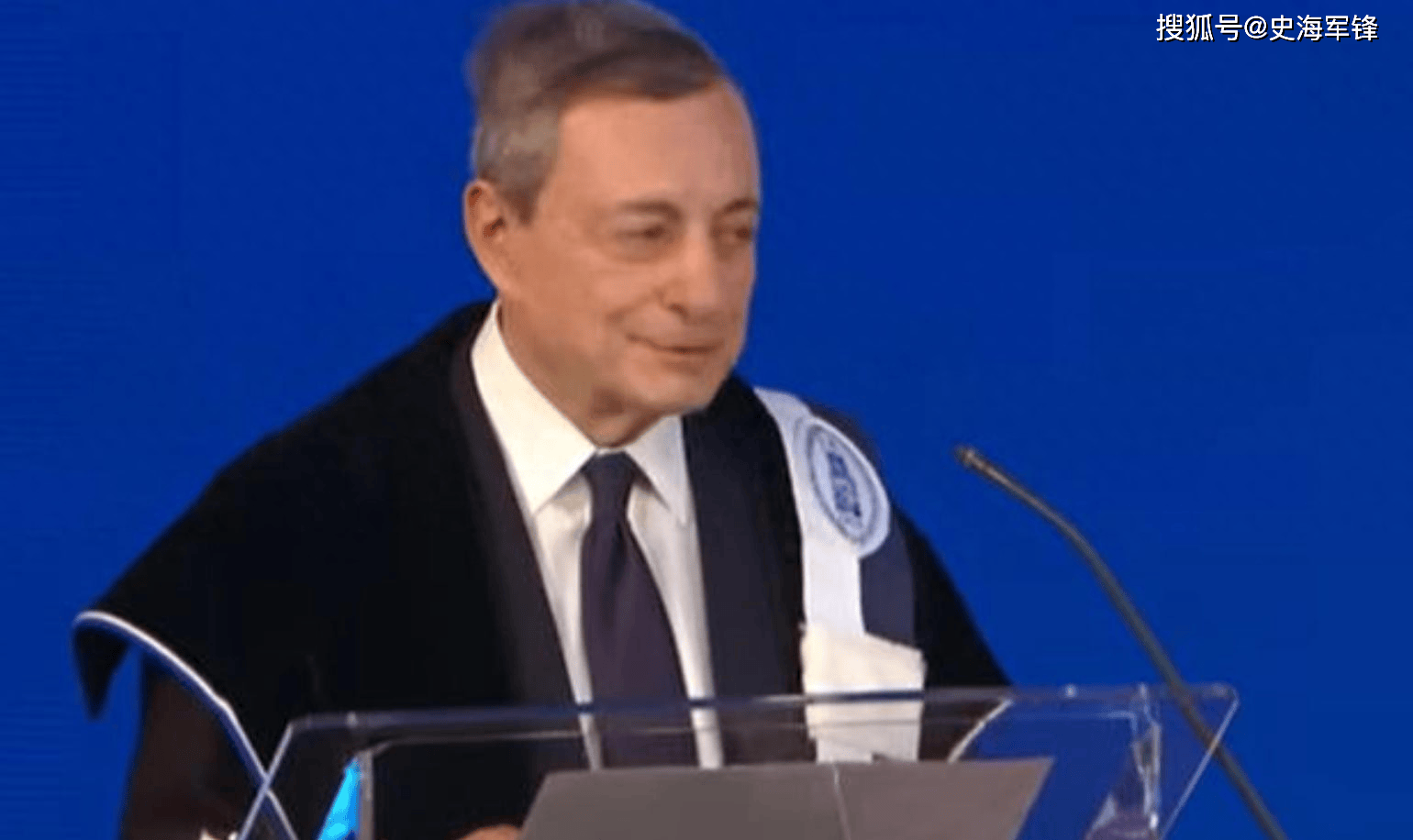
欧洲衰落,全都要怪中国?78岁德拉吉语出惊人,世界秩序名存实亡。
Sou Hu Cai Jing· 2026-02-07 05:50
Core Viewpoint - The statements made by Draghi highlight the perceived risks facing the EU, including potential domination, fragmentation, and deindustrialization, urging for faster integration and transformation into a "true federation" to avoid being left behind in global trends [2] Group 1: Economic Relations and Trade - Draghi's comments suggest that Western countries' trade with China post-WTO accession has led to political backlash, contributing to reduced global trade and weakened rules, ultimately impacting Europe's economic standing [2] - The narrative that EU-China economic cooperation has been detrimental is challenged, as the EU has benefited from exports in sectors like automotive and luxury goods, while Chinese goods have lowered production and living costs in Europe [4][6] Group 2: Internal EU Challenges - The decline in EU competitiveness is attributed to internal issues such as insufficient innovation investment, fragmented markets, high energy costs, and geopolitical risks, rather than external factors like China [6] - Europe's structural problems, including aging population and welfare system rigidity, along with energy policy missteps, have led to significant economic challenges, including industrial migration due to high energy prices [7] Group 3: External Pressures and Political Dynamics - The real threats to Europe are seen as stemming from U.S. hegemony and protectionist policies, which have undermined global trade rules and European economic foundations, rather than from China [7][9] - Draghi's remarks reflect a strategic anxiety among European politicians, caught between U.S. pressures and internal issues, leading to a tendency to externalize blame onto China [9] Group 4: Future Directions for Europe - The focus for Europe should shift from scapegoating to addressing internal challenges and fostering independent diplomatic and development strategies, recognizing that cooperation with China is essential for recovery [11]

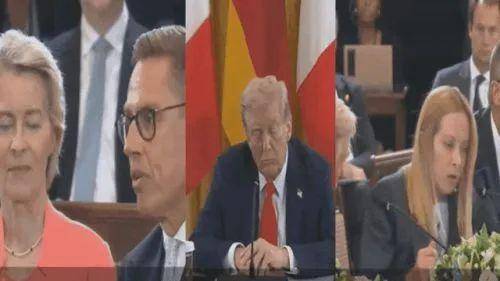
特朗普继续数落欧洲 德总理:要做好“欧美不同行”的准备
Yang Shi Xin Wen· 2025-12-10 10:24
Group 1 - The core viewpoint of the article highlights President Trump's criticism of Europe, particularly regarding immigration policies and the ongoing Ukraine crisis, suggesting that Europe is in a state of "decline" [1][2] - Trump's remarks about Europe's immigration policies being a "disaster" and contributing to the decline of several countries, including the UK, Germany, Poland, and Sweden, reflect a growing divide between the US and Europe [2][3] - The US National Security Strategy report emphasizes a shift in focus towards the Western Hemisphere and critiques Europe for its immigration policies and excessive regulation, warning of a "serious prospect of civilizational extinction" [2][3] Group 2 - The Ukraine issue has become a significant point of contention, with Trump accusing Europe of inaction and suggesting that Russia holds a more advantageous position in negotiations to end the conflict [3] - The recent US draft peace plan for Ukraine faced criticism for favoring Russia, leading to modifications that align more closely with Ukraine's stance [3] - Ukraine's President Zelensky expressed willingness to hold elections within 60 to 90 days if the US and Europe can ensure security, despite the ongoing wartime status that prohibits elections [3] Group 3 - European leaders, including the President of the European Council and the German Chancellor, have responded to the US National Security Strategy by emphasizing the need for European sovereignty and autonomy in decision-making [4] - The German Chancellor stated that Europe must be more independent in security policy and does not require the US to "save" European democracy, indicating a desire for greater self-reliance [4] - The call for Europe to cultivate internal resistance against current trends aligns with the views of far-right groups in Europe, suggesting a complex political landscape [4]
欧洲沦为菜单:战略自主丧失的悲剧
Sou Hu Cai Jing· 2025-08-27 03:31
Group 1 - The loss of strategic autonomy in Europe has severe consequences, highlighted by the humiliation faced during a meeting with Trump, where he left to talk to Putin, showcasing the power dynamics at play [1] - Europe's long-standing reliance on the U.S. for security and economic stability has resulted in a subordinate relationship, leaving it vulnerable to U.S. demands such as increased military spending and tariffs [1] - The internal vitality of Europe is declining, with a significant drop in the number of European companies in the Fortune Global 500 from 36 to 14, and a decrease in economic share from 22% to 17% [2] Group 2 - The decline of Europe represents not only a tragedy for the continent but also a pivotal shift in the global geopolitical landscape, leading to intensified power struggles [4] - The current state of Europe is likened to being on the menu for others to exploit, as it loses its ability to balance power in international politics [4] - The internal divisions within Europe are exacerbated by the need to appease the U.S., as seen in the criticism from Italian Deputy Prime Minister Salvini towards French President Macron [2]