世界秩序

Search documents
达利欧发文:终极决战!一切都取决于谁控制霍尔木兹海峡
华尔街见闻· 2026-03-17 09:16AI Processing
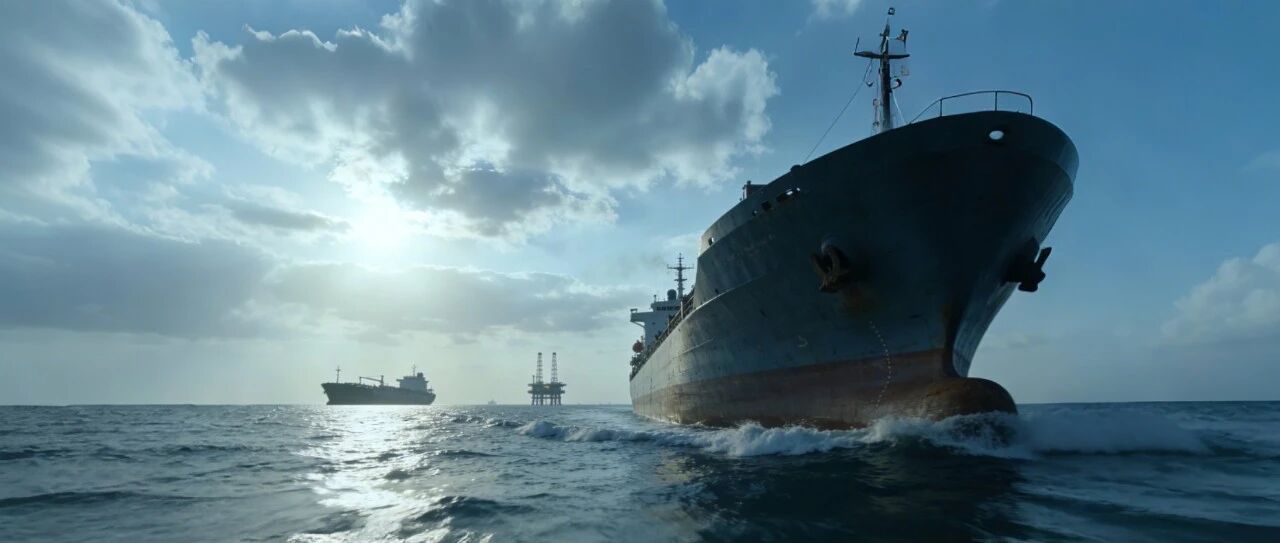
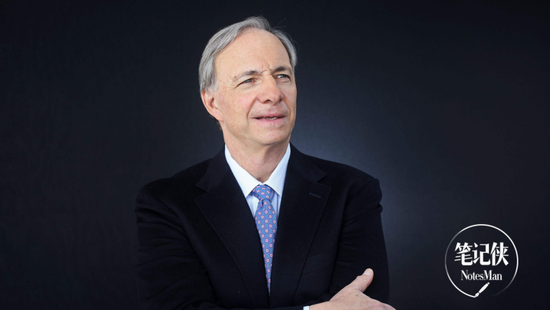
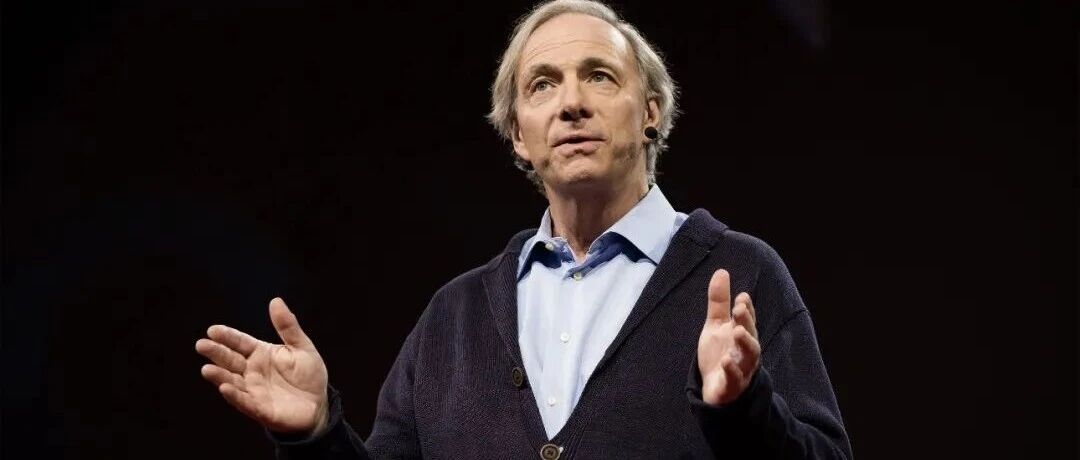
桥水基金创始人、宏观投资者达利欧(Ray Dalio)对当前中东局势给出了一个非常明确的判断: 这场冲突的最终胜负,将取决于谁控制霍尔木兹海峡。 3月16日,在X上发布的长文中,达利欧表示,这条海峡不仅是地缘政治博弈的核心节点,更可能成为决定全球权力格局的一场" 终极决战 ": 如果伊朗保留对霍尔木兹海峡航行的控制权,甚至只是拥有通过威胁封锁该海峡进行谈判的能力,美国都将被视为输掉了这场战争;而如果美国能够确保海 峡的航行自由,并削弱伊朗的威胁,则将强化美国的全球领导地位。 霍尔木兹海峡被认为是全球最关键的能源运输通道之一,大量中东石油和天然气都必须经由这里进入国际市场。一旦该海峡的通行受到威胁,不仅会冲击全球 能源供应,还可能迅速传导至金融市场、贸易体系以及地缘政治格局。 达利欧认为,正因为如此,围绕这条海峡的控制权争夺,很可能成为决定战争结果的关键节点。 历史经验:帝国衰落往往始于关键通道 更重要的是,达利欧将这一局势与历史上多个帝国转折点进行了类比: 例如,在苏伊士运河危机之后,英国的全球影响力迅速衰落。类似的情形也曾出现在荷兰帝国和西班牙帝国的衰落过程中: 当一个主导强国在关键贸易通道 的争夺中显露出 ...

达利欧最新长文:2026,像极了1936
Xin Lang Cai Jing· 2026-02-25 14:58
Group 1 - The article discusses the transition from an "orderly" world to a "disordered" one, highlighting the end of the post-1945 world order and the emergence of a new geopolitical landscape characterized by power struggles and conflicts among major nations [3][4][5]. - Key leaders, including German Chancellor Friedrich Merz and French President Emmanuel Macron, have acknowledged the collapse of the established world order, emphasizing the need for Europe to prepare for potential conflicts [3][4]. - The article outlines the cyclical nature of internal and external order, suggesting that the dynamics governing relationships between individuals also apply to international relations, albeit with the added complexity of power dynamics [5][6]. Group 2 - The article identifies five main types of conflicts between nations: trade/economic wars, technology wars, capital wars, geopolitical wars, and military wars, each representing different dimensions of power struggles [7][10][11]. - Trade/economic wars involve conflicts over tariffs and trade restrictions, while technology wars focus on the sharing of critical technologies [8][9]. - Geopolitical wars pertain to territorial disputes and alliances, capital wars involve financial sanctions and market access restrictions, and military wars encompass actual armed conflicts [10][11]. Group 3 - The article emphasizes that the absence of effective governance systems in international relations often leads to a reliance on power rather than legal frameworks, resulting in a "jungle law" scenario where might prevails over right [6][19]. - It discusses the historical context of major conflicts, illustrating how economic downturns and internal strife can lead to authoritarian regimes and subsequent military aggression, as seen in the lead-up to World War II [24][25][26]. - The analysis of World War II serves as a case study, demonstrating how economic and political factors converged to create conditions for conflict, ultimately reshaping the global order [24][25][30].
瑞·达利欧最新长文:正式消息,世界秩序已经崩溃
美股IPO· 2026-02-18 16:03
Core Viewpoint - The article discusses the breakdown of the post-1945 world order, emphasizing a shift towards a new era characterized by great power politics and a lack of established rules, as articulated by various global leaders during the Munich Security Conference [3][4][6]. Group 1: Breakdown of World Order - Leaders like German Chancellor Friedrich Merz and French President Emmanuel Macron have declared that the world order maintained for decades has collapsed, indicating a need for Europe to prepare for war [4]. - The article posits that the current geopolitical landscape is marked by chaos and conflict among great powers, aligning with the author's theory of a cyclical pattern in international relations [4][5]. Group 2: Types of International Conflicts - The article categorizes international conflicts into five types: trade/economic wars, technology wars, geopolitical wars, capital wars, and military wars, each driven by competition for wealth and power [6][7]. - Trade/economic wars involve tariffs and restrictions that harm competitors' economic interests, while technology wars focus on the sharing of critical technologies [6][7]. Group 3: Historical Context and Lessons - The article references historical cycles of conflict in Europe, noting that major wars often arise from underlying economic and political tensions, as seen in the lead-up to World War II [9][18]. - The economic turmoil following the Great Depression led to the rise of authoritarian regimes in countries like Germany and Japan, which sought to restore order through militaristic expansion [18][19]. Group 4: Economic Warfare Strategies - Economic warfare strategies include asset freezes, capital market access restrictions, and embargoes, which have been historically used to weaken adversaries before military conflicts escalate [32][36]. - The article highlights that economic conflicts often precede full-scale wars, with nations testing each other's limits through various forms of economic and political pressure [31][36]. Group 5: War and Economic Policy - During wartime, governments typically exert control over production, prices, and capital flows, leading to significant economic changes and challenges for wealth preservation [37][43]. - The article emphasizes that protecting wealth during war is difficult due to restrictions on economic activities and high taxation, suggesting that reallocating resources to those in need becomes a priority [45].
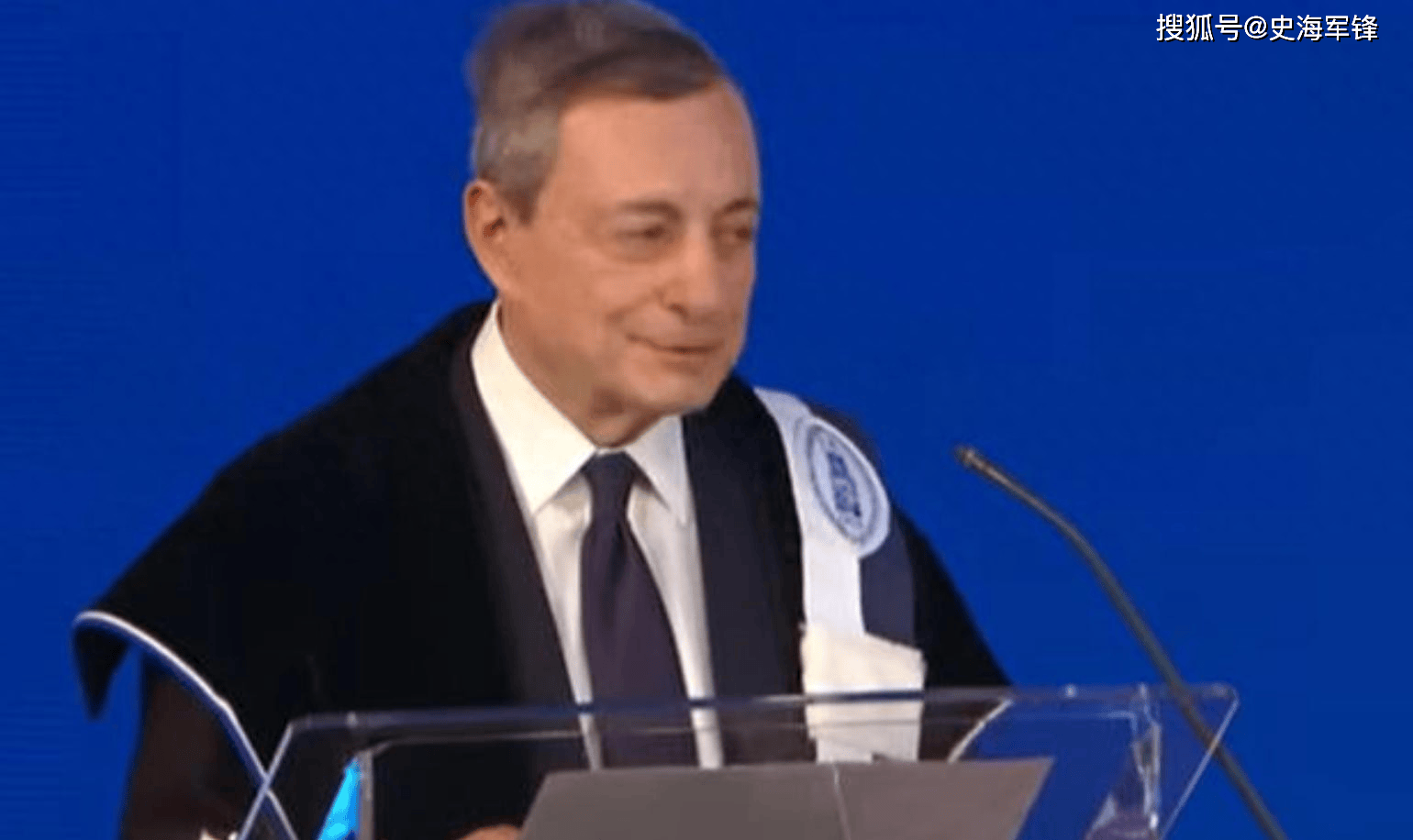
欧洲衰落,全都要怪中国?78岁德拉吉语出惊人,世界秩序名存实亡。
Sou Hu Cai Jing· 2026-02-07 05:50
Core Viewpoint - The statements made by Draghi highlight the perceived risks facing the EU, including potential domination, fragmentation, and deindustrialization, urging for faster integration and transformation into a "true federation" to avoid being left behind in global trends [2] Group 1: Economic Relations and Trade - Draghi's comments suggest that Western countries' trade with China post-WTO accession has led to political backlash, contributing to reduced global trade and weakened rules, ultimately impacting Europe's economic standing [2] - The narrative that EU-China economic cooperation has been detrimental is challenged, as the EU has benefited from exports in sectors like automotive and luxury goods, while Chinese goods have lowered production and living costs in Europe [4][6] Group 2: Internal EU Challenges - The decline in EU competitiveness is attributed to internal issues such as insufficient innovation investment, fragmented markets, high energy costs, and geopolitical risks, rather than external factors like China [6] - Europe's structural problems, including aging population and welfare system rigidity, along with energy policy missteps, have led to significant economic challenges, including industrial migration due to high energy prices [7] Group 3: External Pressures and Political Dynamics - The real threats to Europe are seen as stemming from U.S. hegemony and protectionist policies, which have undermined global trade rules and European economic foundations, rather than from China [7][9] - Draghi's remarks reflect a strategic anxiety among European politicians, caught between U.S. pressures and internal issues, leading to a tendency to externalize blame onto China [9] Group 4: Future Directions for Europe - The focus for Europe should shift from scapegoating to addressing internal challenges and fostering independent diplomatic and development strategies, recognizing that cooperation with China is essential for recovery [11]
马克龙:美国给欧洲敲响战略警钟
Xin Lang Cai Jing· 2026-01-29 03:16
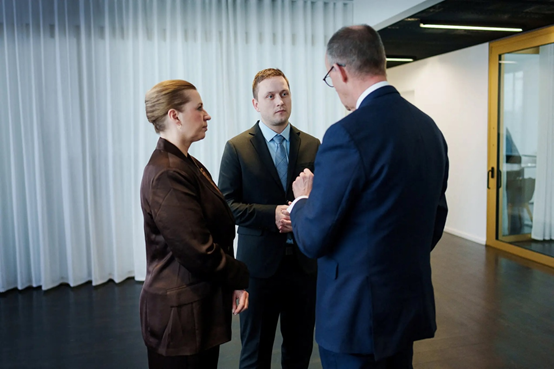
Core Viewpoint - The diplomatic efforts surrounding the Greenland crisis continue, with Denmark and Greenland's leaders reaffirming their stance on sovereignty issues and seeking support from allies, particularly France and Germany [1][2][3] Group 1: Diplomatic Meetings and Alliances - Danish Prime Minister Frederiksen and Greenland's Premier Nielsen met with French President Macron to discuss the ongoing Greenland crisis, emphasizing the need for unity and defense in the Arctic region [1] - Macron highlighted the strategic warning for Europe posed by the confrontation with the U.S. over Greenland, reiterating France's support for Denmark and Greenland [1] - The meetings aimed to ensure continued support for Denmark and Greenland from allies, as the crisis remains unresolved and potential future actions from the U.S. are uncertain [2] Group 2: European Unity and Security - Frederiksen expressed the need for a strong and self-reliant Europe, stating that the recent weeks have taught Europe important lessons about unity in the face of external threats [2] - Germany's Chancellor Merz reaffirmed Germany's commitment to supporting Denmark and Greenland within NATO, emphasizing the importance of transatlantic cooperation for Arctic security [2] - The ongoing uncertainty regarding U.S. intentions and the potential for military bases in Greenland raises concerns about the future of European security and alliances [2][3] Group 3: Sovereignty and Military Cooperation - Frederiksen stated that while Denmark is open to deeper military cooperation with the U.S., national sovereignty remains a "red line" that cannot be crossed [3] - The discussions highlighted the lack of clarity regarding the U.S. proposal for Greenland and the implications for military presence, especially if Greenland were to achieve independence [2][3] - The current geopolitical climate is seen as a departure from the established world order, with calls for European unity to navigate future challenges [3]
美“夺岛”威胁持续,外媒:丹麦首相质疑与美国的盟友关系还能维持多久
Huan Qiu Wang· 2026-01-28 02:34
Group 1 - The core viewpoint of the article highlights the Danish Prime Minister Frederiksen and Greenland's Prime Minister Nielsen's visit to Berlin and Paris to secure support against pressure from U.S. President Trump regarding Greenland [1] - Frederiksen expressed uncertainty about the longevity of the alliance with the U.S., indicating a shift in the global order and emphasizing the need for European unity and independence from the U.S. [3] - The article notes that Frederiksen does not view Trump or the U.S. as adversaries, but the U.S. actions regarding Greenland have placed Denmark in a difficult position [3] Group 2 - The article reports that the Trump administration has repeatedly expressed interest in acquiring Greenland, even suggesting the possibility of using force, which has drawn strong reactions from Europe regarding the sovereignty of Greenland [3] - It mentions that during a meeting in Davos, Trump and NATO Secretary General Stoltenberg discussed a framework for future agreements concerning Greenland and the Arctic, but Frederiksen stated that Stoltenberg does not have the authority to negotiate on behalf of Denmark and Greenland [3]
2025微博财经之夜--发言实录
付鹏的财经世界· 2026-01-15 16:01
Core Viewpoint - The discussion emphasizes the transformation of productivity, production relations, and global order, highlighting the importance of technological advancements and their impact on economic structures [4][12]. Group 1: Productivity and Technological Advancements - The past decade has seen significant shifts in productivity, with a focus on technological revolutions that began around 2015, marking a new industrial and technological era [7][9]. - The emergence of AI and its foundational technologies, such as ChatGPT, represents a critical turning point in productivity enhancement, akin to historical technological milestones [10][11]. - The investment in technological infrastructure is crucial for future productivity gains, paralleling historical discussions on infrastructure's role in economic development [11][12]. Group 2: Production Relations and Economic Structures - The discourse highlights the misalignment of production relations globally, with countries facing challenges in balancing productivity gains with economic realities [13][14]. - The need for a human-centered approach in production relations is emphasized, advocating for increased welfare and compensation to ensure stability in economic systems [14]. - The ongoing tension between productivity advancements and existing production relations suggests that without addressing these discrepancies, economic stability may be at risk [13][14]. Group 3: Global Order and Economic Implications - The current global economic order is under scrutiny, with the potential for significant upheaval if productivity advancements do not align with production relations [12][13]. - The discussion suggests that the future of global economic stability hinges on the successful integration of technological advancements into existing economic frameworks [12][14]. - The potential for a new world order is contingent upon how countries adapt their production relations in response to technological changes [14].

读懂动荡中的世界秩序⑩
Xin Lang Cai Jing· 2025-12-24 18:49
Group 1 - The article announces the participation of nearly twenty experts at the 2025 New Citizen Global Experts Forum, highlighting their key insights in a poster format for readers [3]
读懂动荡中的世界秩序⑦
Xin Lang Cai Jing· 2025-12-23 19:08
Group 1 - The article announces the participation of nearly twenty experts at the 2025 New Citizen Global Expert Forum, highlighting their key insights in a poster format for readers [3]
读懂动荡中的世界秩序②
Xin Lang Cai Jing· 2025-12-22 04:57
Group 1 - The article announces the participation of nearly twenty experts at the 2025 New Citizen Global Expert Forum, highlighting their key insights in a poster format for readers [3]